
The World of High-Value Trading Cards
In the realm of collectibles, few items stir as much excitement and fetch as high prices as trading cards. These small pieces of cardboard have transcended their initial purpose, evolving into highly sought-after assets. Let’s delve into some of the most expensive trading cards ever sold, exploring why they command such staggering sums.
Colonizing Mars is no longer a dream: Elon Musk unveils a historic deadline that will change everything
Gigantic 400-meter structures discovered beneath Antarctic ice spark heated debate among scientists worldwide
Baseball Cards: Home Run Collectibles
At the pinnacle of trading card value, baseball cards reign supreme. The T206 Honus Wagner card, for instance, is often at the top of the list, with one selling for an astonishing $6.6 million. This card’s value is due in part to Wagner’s baseball prowess and its rarity—fewer than 200 were ever produced because Wagner halted production, purportedly due to his disapproval of the tobacco company sponsorship.
Mickey Mantle’s 1952 Topps card is another gem in the baseball card world. Its estimated value surged past $12 million, reflecting both Mantle’s legendary status in sports and the card’s condition and scarcity. The rarity of this card in top condition makes it a collector’s dream.
Beyond the Diamond: Other Sports Icons
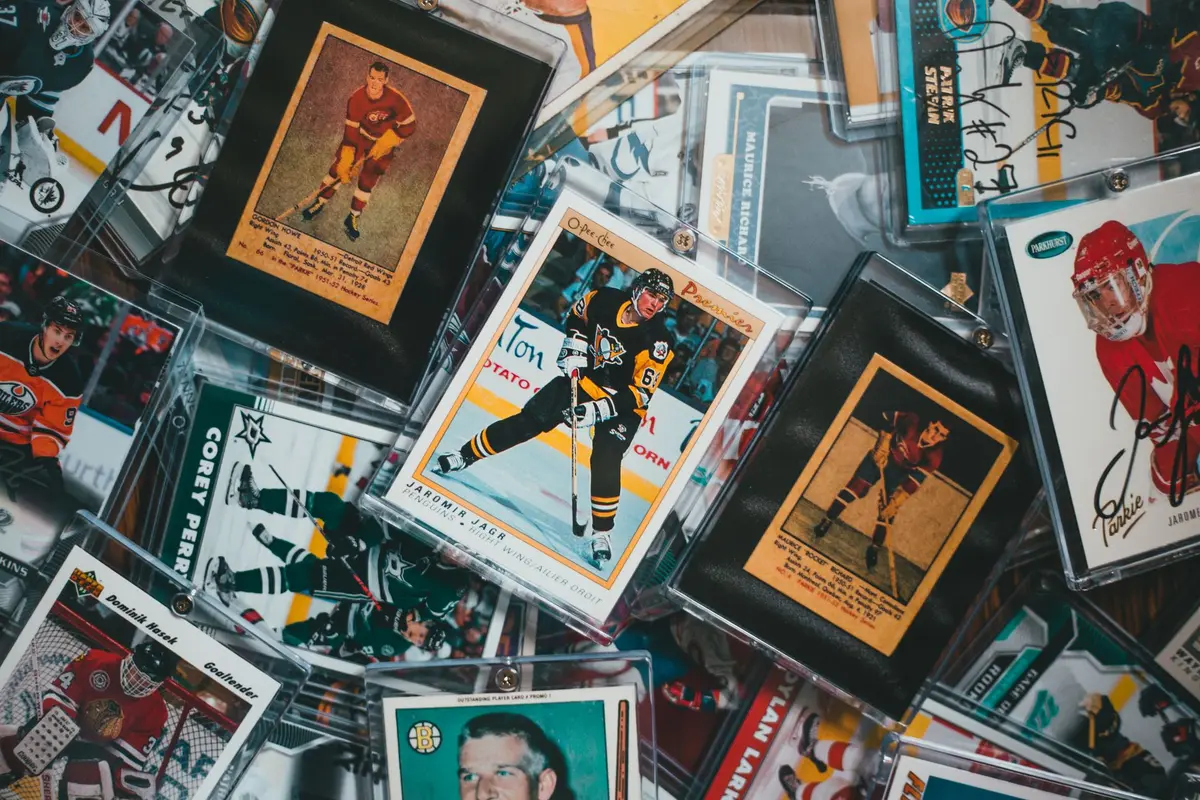
While baseball cards are historically significant, other sports cards also fetch impressive sums. For example, a 1979 O-Pee-Chee Wayne Gretzky rookie card became the most expensive hockey card after fetching $3.75 million at auction. Its value is boosted by Gretzky’s iconic status in hockey and the card’s pristine condition.
In basketball, a 2003-04 rookie card of LeBron James, which includes his autograph and a patch from his jersey, sold for $5.2 million. This card is not only rare but is sought after for representing one of the modern legends of basketball.

Rare Gems in the World of Trading Cards
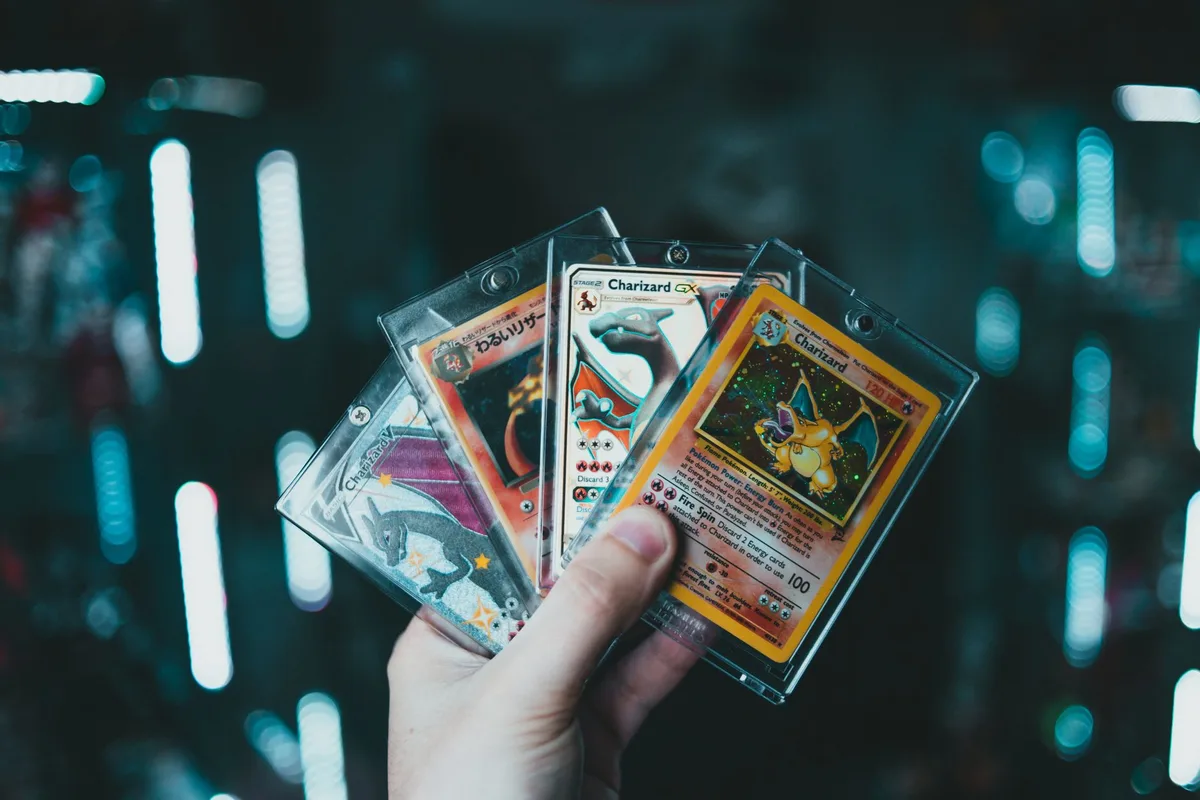
Stepping away from sports, some trading cards from popular franchises like Pokémon have also reached astronomical prices. The Pikachu Illustrator card, awarded to winners of a 1998 CoroCoro Comic illustration contest, sold for an impressive $5.275 million. Its rarity and the global popularity of Pokémon contribute heavily to its value.
The Appeal and Market Dynamics
The allure of these cards comes from a combination of rarity, condition, historical significance, and the emotional connection fans have to their sports heroes or beloved characters. Collectors view these cards as investments, where the thrill of owning a piece of history meets the potential for financial gain.
While these prices may seem exorbitant, the market for rare trading cards is driven by supply and demand. Limited availability and high demand ensure that prices for these collectible cards continue to climb, making them not just a hobby but a significant financial investment.
Similar Posts
- Uncover Top Sites for Trading Card Box Breaks: Get In on the Action Now!
- Top Sites for Live Card Breaks: Don’t Miss August’s Exciting Sessions!
- Unleash NFL Excitement Online: Discover the Best Sites to Break NFL Cards This August!
- Unlock Free Gaming Joy: Get 30 Mystery Coins & 5 Cards with No Deposit!
- Top Sports Card Break Sites of 2026: Discover Where to Score Big!
A YouTuber bought a Bugatti on TEMU expecting luxury… but the unboxing went terribly wrong
Colonizing Mars is no longer a dream: Elon Musk unveils a historic deadline that will change everything

Trent Mallory is a passionate sports journalist who dives deep into major competitions and the stories behind every game. From American football and the NBA to tennis and the Olympics, he delivers sharp, energetic coverage. His work brings matches, athletes, and behind-the-scenes challenges to life. For Trent, sports are more than just results — they are culture, passion, and a force for change.