Colonizing Mars is no longer a dream: Elon Musk unveils a historic deadline that will change everything
Gigantic 400-meter structures discovered beneath Antarctic ice spark heated debate among scientists worldwide
Published: 23 November 2026 • 11:30 CET — Reporting from Nowa Deba: Palina Milling, ARD Warsaw
The first field exercise by a European “Coalition of the Willing” took place over two weeks in southeast Poland to rehearse how allied troops might help secure peace and rebuild in Ukraine. Near the end of the drills, three Russian projectiles struck Polish territory close to the training area, prompting alarm and unanswered questions about motive and intent.
On the ground in Nowa Deba
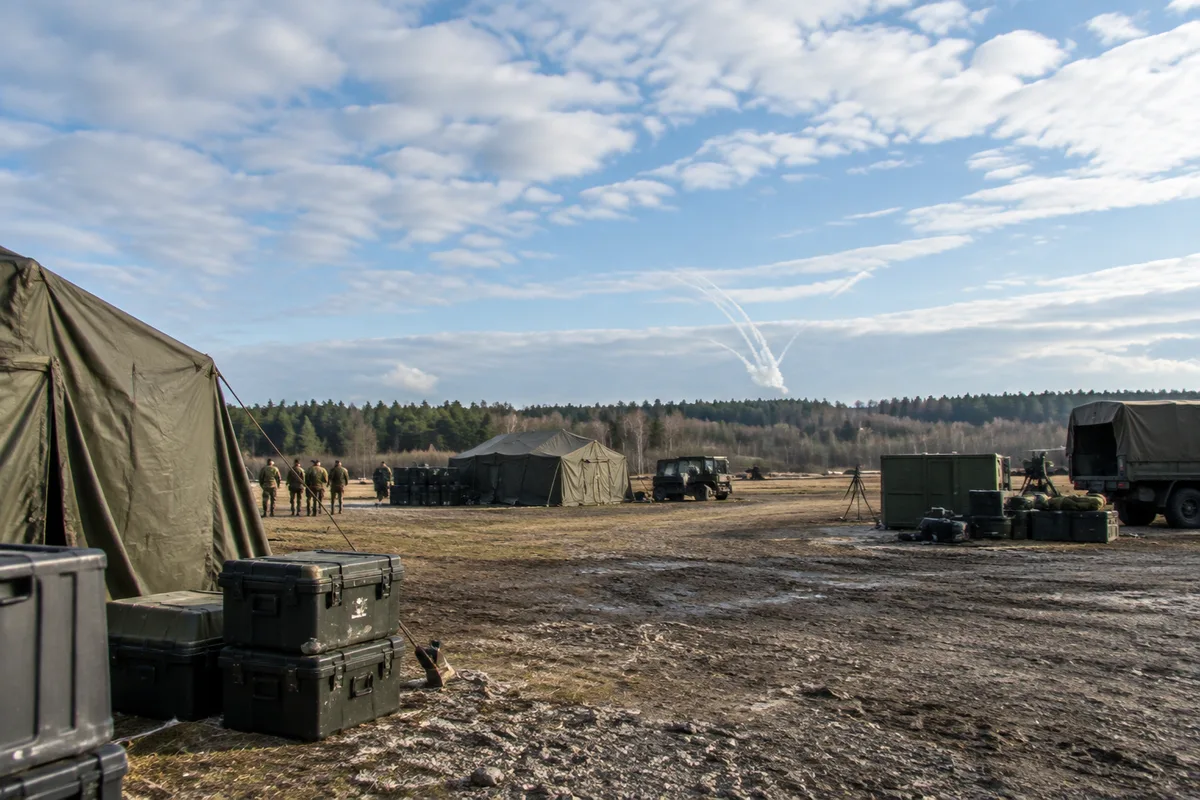
For fourteen days a large, forest-fringed training area in Nowa Deba hosted multinational forces testing rapid troop movements and interoperability. The manoeuvres were explicitly European-led — organised without direct US participation and operating outside a NATO-only framework — with an eye toward future support for Ukraine once hostilities cease.
British brigade commander James Leask, who was present, stressed the importance of building personal and professional ties across participating contingents. He noted that, despite the absence of American units, many participating Europeans shared outlooks and even humor, which made forging working relationships “not so difficult,” he said.
How the camp was set up
The temporary base was erected in about a week. Journalists were shown tents with stacked bunks, a field kitchen, a medical tent and an open-air workshop — basic infrastructure intended to sustain a multinational force and keep equipment serviceable in austere conditions.
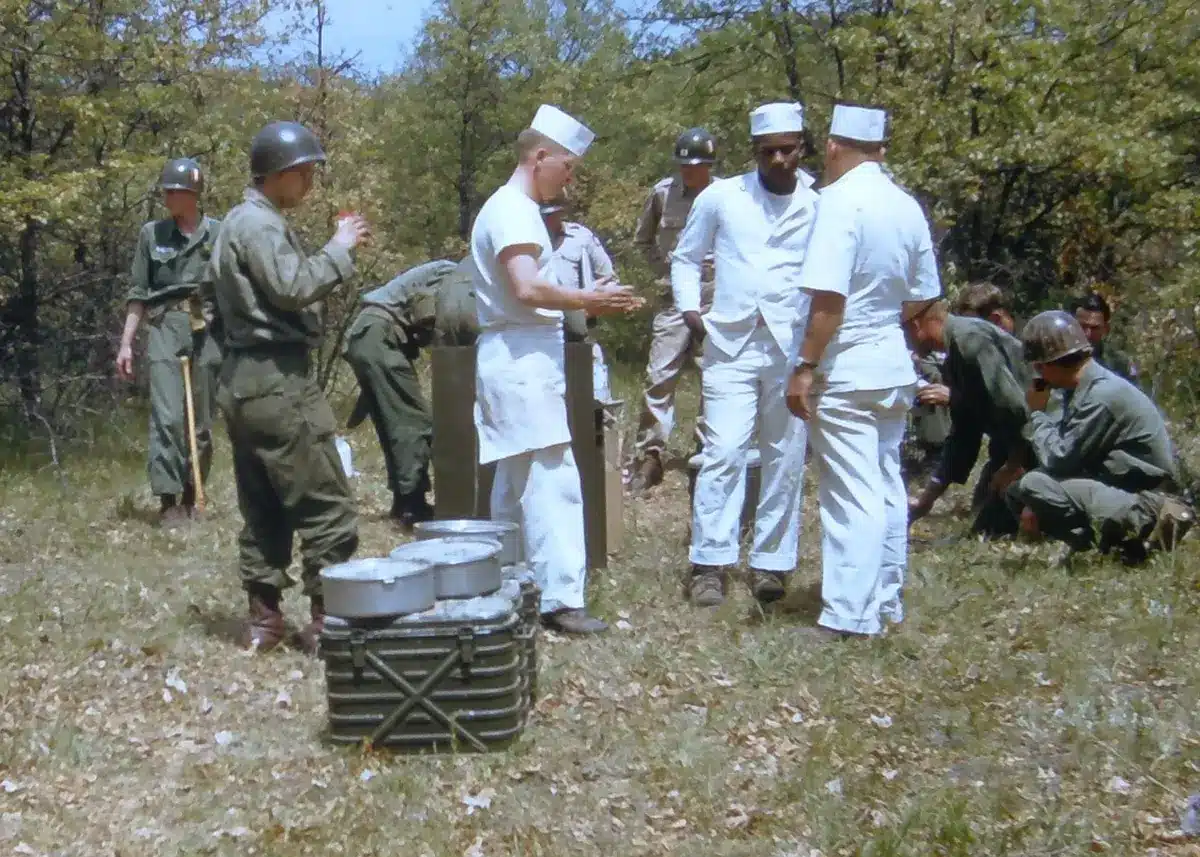
Organisers described the exercise as practice for eventual missions in Ukraine: training local forces, contributing to rebuilding efforts and helping restore military capacities. A clearly stated precondition for any such deployment is a ceasefire.
A YouTuber bought a Bugatti on TEMU expecting luxury… but the unboxing went terribly wrong
Colonizing Mars is no longer a dream: Elon Musk unveils a historic deadline that will change everything
Three impacts a short distance away
Trouble came early on Friday morning, when three Russian objects crossed into Polish airspace and struck locations less than 100 kilometres from the Nowa Deba site. Investigators from the Lublin prosecutor’s office reported finding fragments of a Kh-101 — a long-range, guided cruise missile — at all three impact points. The Kh-101 is notable for its low-altitude flight profile and stealth features that make detection more difficult. Authorities said there were no reported damages at the strike sites.

Because the impacts occurred so close to the training area, Polish political leaders judged the timing unlikely to be accidental. Prime Minister Donald Tusk condemned the incidents as a deliberate provocation. Visiting Warsaw on Saturday, NATO leadership reassured Poland of the alliance’s defensive commitment; according to the Polish account, NATO’s representative vowed that every inch of Polish territory would be defended.
Political and military reactions at the exercise
The day the missiles fell five defence ministers toured the camp — ministers from Poland, the United Kingdom, France, Lithuania and Estonia were present — an appearance that Polish Defence Minister Wladyslaw Kosiniak-Kamysz said the attack sought to undermine. He accused the strikes of aiming to fracture cooperation among NATO members, the European Union and the new “Coalition of the Willing,” and insisted such pressure must not be allowed to succeed.
Brigadier Leask said the episode only strengthened participants’ determination to be ready to support Ukraine when the security situation allows. Still, many details about how the coalition would operate in practice remain unresolved: which countries would commit troops, in what numbers and under what rules of engagement.
Public positions vary. France and the UK have indicated a willingness to send personnel into Ukraine after a ceasefire. Poland says it will not deploy combat troops but will provide logistical backing and facilities. Germany has so far been cautious. Moscow continues to reject any such international deployments.
Who took part and what was practised
Eleven countries joined the inaugural exercise, which was directed chiefly by France and Britain, who also supplied the largest contingents. Polish officials put total participating personnel at about 2,800; on top of that, Poland provided nearly 2,000 additional servicemembers for support roles and made the training ground available.
Not all elements were visible to media observers on site. Military leaders said the exercise included a space-related component and a maritime segment organised by Turkey. Future iterations are expected to focus on tasks such as mine-clearing in the Black Sea — with the aim of restoring freedom of movement and re-establishing commercial shipping lanes.
Strategic rationale and wider context
Maciej Milczanowski, a military analyst and professor at the University of Rzeszow, argued the initiative reflects shifting transatlantic dynamics. He linked the coalition’s emergence to a changing US role in NATO under President Donald Trump and suggested that in some formats the alliance has lost cohesion and decision-making weight. In his view, a group of willing European states is stepping up to assume more leadership responsibility within the collective defence framework and to build deterrence against Russia.
For now, the coalition’s immediate focus remains preparing to assist Ukraine once a ceasefire is in place. Planners say exercises like the one in Nowa Deba will continue as they refine concepts, capabilities and multinational cooperation — even as diplomatic and security uncertainties persist.
Similar Posts
- Poland Calls for NATO Consultations Amid Rising Tensions: What’s Next?
- France Showcases Its Largest Military Parade Under Macron’s Leadership
- Poland’s Anxiety Over Tank Brigade’s Future: What Lies Ahead for Military Security?
- Suspected Sabotage: Is Russia the Mastermind Behind It?
- German Military Expands Airspace Surveillance Over Poland: Strategic Implications Explained

Lowell Hagan closely follows international affairs. From geopolitical conflicts to economic cooperation, he provides context to help readers better understand global dynamics. His clear, structured style gives meaning to global news.