Stand: 23 October 2026 — 14:55
Colonizing Mars is no longer a dream: Elon Musk unveils a historic deadline that will change everything
Gigantic 400-meter structures discovered beneath Antarctic ice spark heated debate among scientists worldwide
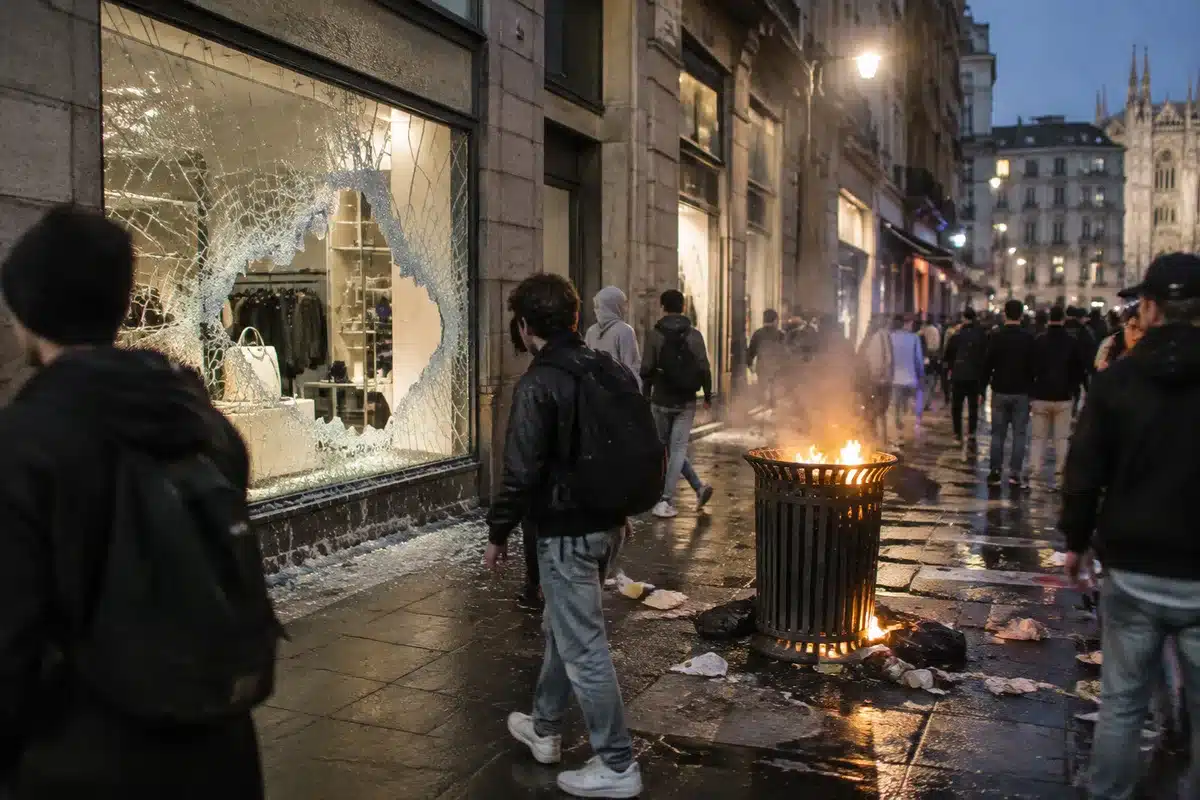
A week after mass demonstrations calling for better education funding and prospects for young people, a protest in Milan spiralled into large-scale vandalism. Storefronts were smashed, goods looted and rubbish bins set alight; footage of the chaos circulated widely and forced Italy’s political debate onto questions of security and law enforcement.
Why the original protest began
Tommaso Marcon, a representative of the student group Osa, says the unrest grew out of a broader mobilization that had been planned across the country. In the days before the disturbances in Milan, thousands of pupils and students had taken to the streets in many Italian cities for a “No Meloni Day”, demanding increased investment in schools and clearer prospects for their future. Marcon complains that those demands have been overshadowed by images of broken shop windows and arson: the conversation in the media, he says, has narrowed to the spectacle of the riots rather than the issues that led young people onto the streets.
Government clamps down
Prime Minister Giorgia Meloni condemned the violence in stark terms, saying that neither political argument nor social hardship can justify looting or destruction. Her government responded quickly with a new security decree that tightens penalties for participation in violent groups — creating a distinct criminal offence that can attract multi‑year sentences. The measures also expand the use of preventive arrests and allow detentions based on video evidence.
Authorities announced plans to apply tougher measures to juveniles as well: parents of underage offenders can face fines, and some minors may be subject to stricter legal consequences. In addition, the government will deploy 500 more soldiers to Milan to support local security forces.
Critics say response misses root causes
Opposition politicians and student spokespeople have criticized the focus on repression. They argue the debate should return to the socio‑economic problems that sparked the protests in the first place. Marcon points to the financial strain on ordinary families, saying households often run out of money before the end of the month — sometimes only managing until the third week — and that this economic pressure, not merely a law-and-order problem, helps explain the unrest.
Who took part in the violence?
So far there is little evidence that a single, centrally controlled political organisation or an outside actor orchestrated the rampage. Instead, investigators and police reports suggest a fragmented picture.
Police detained 271 people in connection with the Milan incidents. A striking aspect of the arrests was the youth of many suspects: a large number were minors, with several as young as twelve and at least one identified participant reportedly only eleven years old. Media accounts describe those detained as largely Italian youngsters — some from families without a migration background, others second‑generation Italians — coming from Milan’s suburbs and nearby towns.
Security services say the disturbances appeared to consist largely of spontaneous crowds who had arranged meetings through social networks. That kind of rapid, informal mobilisation poses particular challenges for prevention because it lacks the organisational markers that authorities have traditionally monitored.
A YouTuber bought a Bugatti on TEMU expecting luxury… but the unboxing went terribly wrong
Colonizing Mars is no longer a dream: Elon Musk unveils a historic deadline that will change everything
New online initiatives
In the days following the violence, a social media account calling itself “Movimento 17 ottobre” emerged and began urging ongoing action. The page called for a continuous mobilisation with planned demonstrations in multiple cities including Milan, Turin, Bologna, Rome and Florence, and framed the events as part of a campaign aimed at forcing the government’s fall.
It is not yet clear who operates the account or whether its organisers were involved in the weekend’s clashes. Some participants in related chat groups have publicly distanced themselves from the looting and arson, rejecting violence while supporting protests on economic and educational issues.
Plans for another demonstration
Despite the recent escalation and the debate over tactics and repression, student leaders say they will continue to organise. Marcon has announced a return to street protests on 30 October, stressing that the next mobilisation will be peaceful and focused on the same demands: relief from the rising cost of living and more secure prospects for his generation.
Similar Posts
- Unveiling the Motives Behind Morocco’s Youth Protests: A Deep Dive
- Ro Khanna Clashes with Hillary Clinton: Defends Young People’s Intelligence on Israel Debate
- Government Warns Protesters: Severe Charges Ahead
- Iran’s Protest Movement: What Remains Today?
- Panama Declares State of Emergency: Urgent Measures Enacted

Lowell Hagan closely follows international affairs. From geopolitical conflicts to economic cooperation, he provides context to help readers better understand global dynamics. His clear, structured style gives meaning to global news.