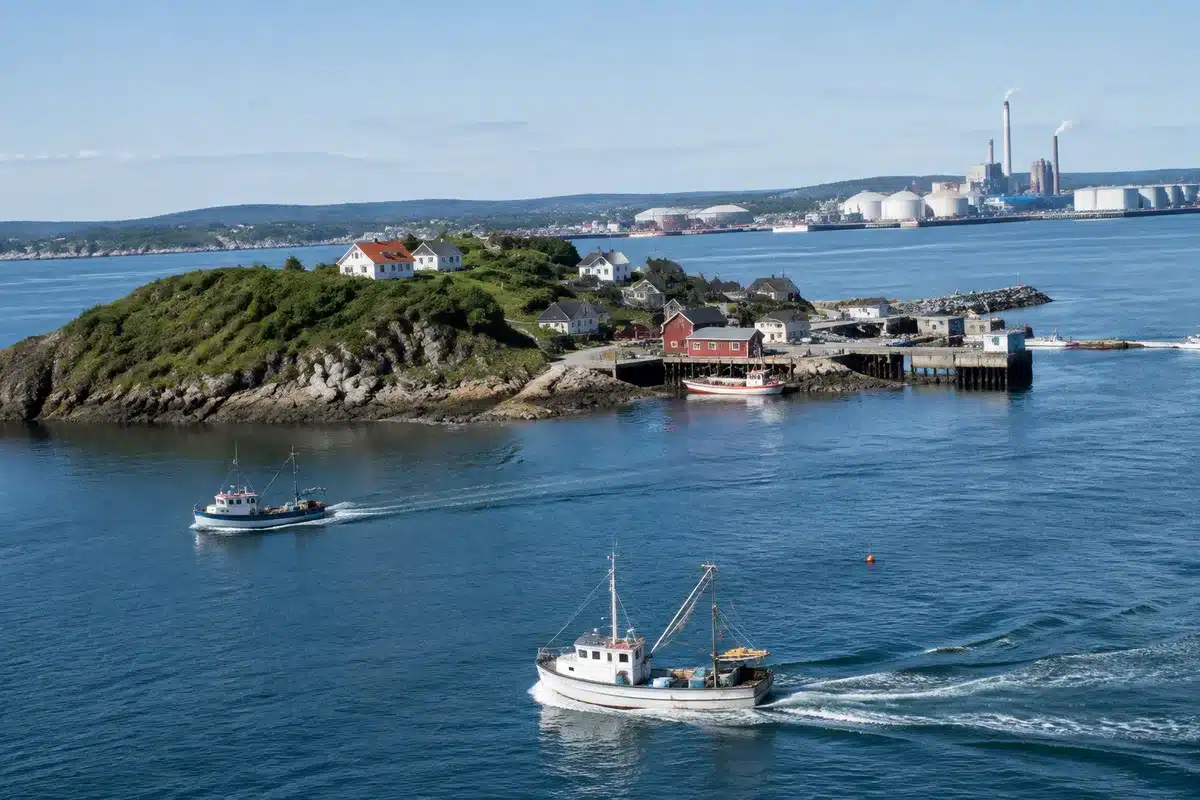
Kenya’s Lamu—known for its quiet beaches and donkey-drawn carts—is poised to become the site of one of Africa’s largest oil-processing facilities. The project, driven by Nigerian businessman Aliko Dangote, promises jobs and regional industrial growth but has sparked legal and environmental concerns.
Colonizing Mars is no longer a dream: Elon Musk unveils a historic deadline that will change everything
Gigantic 400-meter structures discovered beneath Antarctic ice spark heated debate among scientists worldwide
From Holiday Island to Energy Hub
The island of Lamu, off Kenya’s Indian Ocean coast, is traditionally a low-key tourist destination where motor vehicles are rare and daily life moves slowly. Since 2021, however, the area has hosted a deep-sea port for container ships and tankers — a major national infrastructure project carried out under Chinese leadership. That port now forms part of the logistical backbone for a far larger venture: a new oil refinery to be built nearby.

What the Refinery Will Look Like
Promoters say the planned facility will have the capacity to refine roughly 700,000 barrels of crude per day. Construction is expected to take at least two and a half years. The price tag is substantial: estimates put the cost at about €14 billion. Several East African governments and private backers are reported to be contributors to the financing package.
Where the Oil Will Come From
Refined crude is expected to be sourced from multiple places. Officials and the project’s developers point to supplies from Uganda and other African producers, but also to imports from the Middle East and the United States. The intention is to create a flexible supply chain rather than rely on a single source.
Dangote’s Vision: An African-Led Industrial Push
At the center of the initiative is Aliko Dangote, the Nigerian industrialist who already runs the continent’s biggest refinery on the outskirts of Lagos, which began operations in 2024. Dangote frames the Lamu project as a way for Africa to capture more of the value from its natural resources by processing fuel on the continent instead of exporting crude.
A YouTuber bought a Bugatti on TEMU expecting luxury… but the unboxing went terribly wrong
Colonizing Mars is no longer a dream: Elon Musk unveils a historic deadline that will change everything
Project backers say the refinery will trigger widespread industrial development in the region. Dangote predicts tens of thousands of jobs as local manufacturing and service industries cluster around the new facility — a claim used to underscore the project’s potential economic benefits.
Partners, Investment and Management
Investors reported to be involved include several East African states such as Kenya and Rwanda, along with interest from American financiers. Nevertheless, Dangote and other leaders emphasize that the project will remain African-managed and operated, presenting it as a locally driven stepping stone to regional energy independence.
Voices of Concern: Legal and Environmental Worries
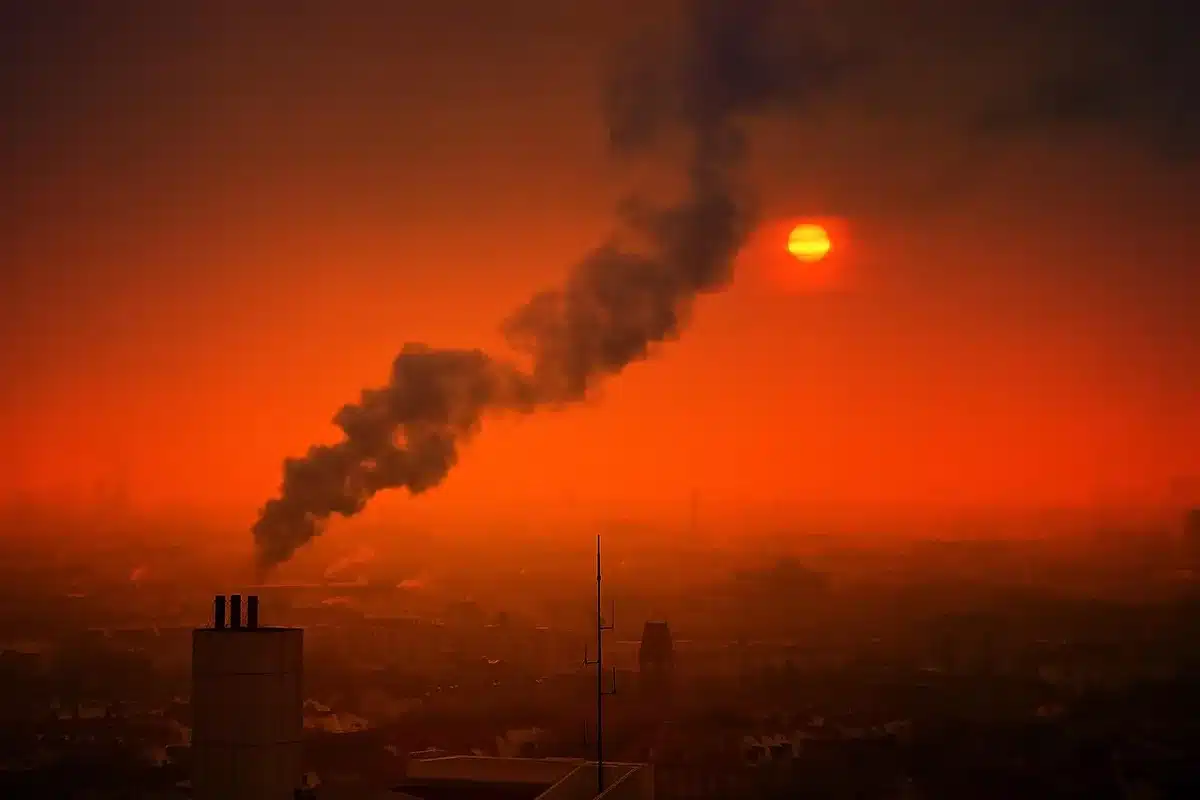
Not everyone welcomes the development. Residents have taken legal action over land rights, contesting ownership and compensation related to the construction site. Environmental groups warn of possible severe damage to coastal ecosystems. Another prominent worry is the potential impact on Lamu Town’s historic center, which is protected as a UNESCO World Heritage Site.
Local fishermen and community members have expressed uncertainty about how their traditional livelihoods might be affected by increased maritime traffic and industrial activity near the shore.
How Developers Respond
Dangote and project spokespeople have publicly dismissed many of the criticisms. They argue that expanding domestic refining capacity is essential for Africa’s economic development and energy security. According to the project leadership, fuller local processing of oil will reduce dependence on foreign refineries and help African countries trade processed fuels among themselves rather than exporting only raw materials.
They forecast that by the end of the decade a growing number of African states will be fuel self-sufficient and increasingly source refined products from within the continent, a shift the refinery at Lamu is meant to accelerate.
The new refinery is presented by its advocates as a step toward reducing Africa’s reliance on imports for refined petroleum products and positioning Kenya as a more significant economic node in East Africa.
Similar Posts
- Thousands of Luxury Cars Marooned in Kenya: Import Crisis Unfolds
- Namibia Says No to Starlink: What Led to the License Denial?
- Gugulethu’s Gold Rush: Uncovering Wealth Where Least Expected
- Africa: A Continent of Opportunities Awaits Us
- Waking the Sleeping Giant: How a Dormant Power Emerges

Lowell Hagan closely follows international affairs. From geopolitical conflicts to economic cooperation, he provides context to help readers better understand global dynamics. His clear, structured style gives meaning to global news.