Colonizing Mars is no longer a dream: Elon Musk unveils a historic deadline that will change everything
Gigantic 400-meter structures discovered beneath Antarctic ice spark heated debate among scientists worldwide
A new incident has been reported in the Strait of Hormuz as an oil tanker was hit by an unidentified projectile off the coast of Oman. The British Maritime Trade Operations (UKMTO) noted that the projectile damaged the vessel’s engine room, rendering the tanker inoperative. Thankfully, all crew members are reported safe following the incident. However, the perpetrator of this attack remains unknown.
The Strait of Hormuz is recognized globally for its critical role in the exportation of oil, gas, and fertilizer from Persian Gulf countries. This narrow maritime passageway is essential for global economic stability, making any disruption a matter of international concern.
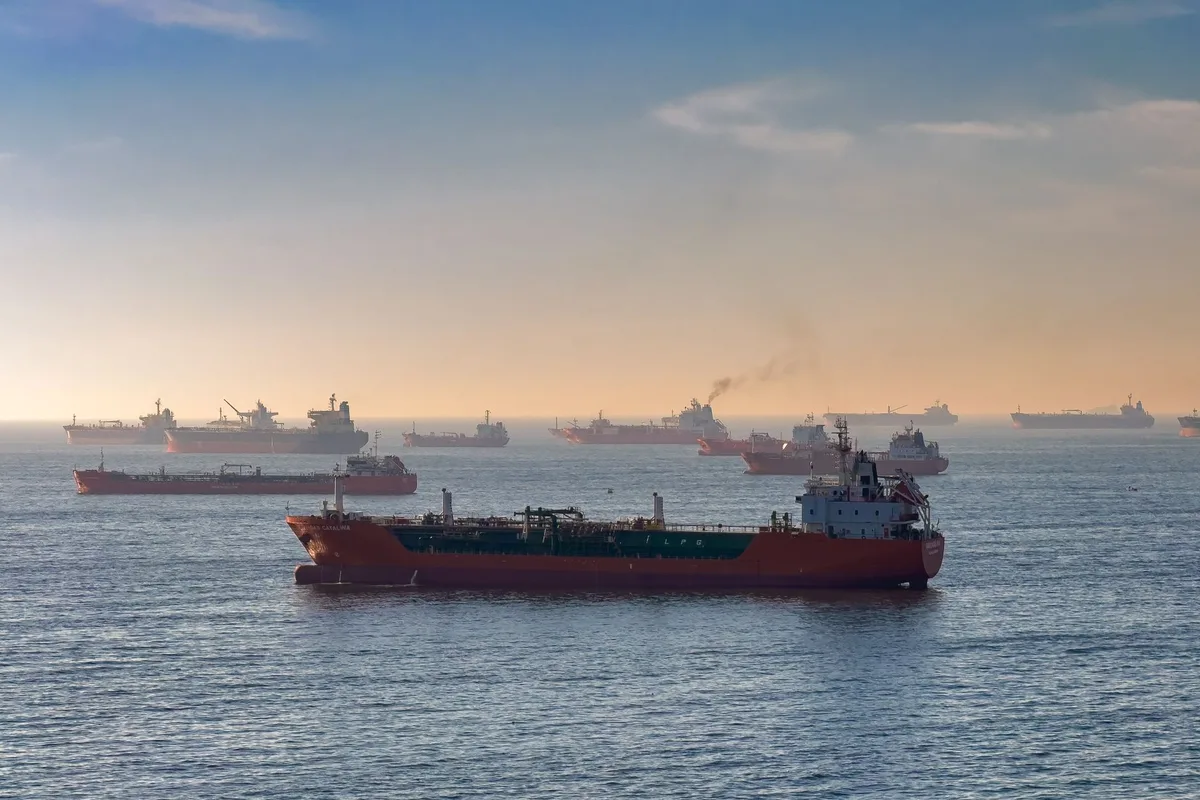
In recent times, Iran has considerably intensified its control over the strait, often coercing vessels to adhere strictly to routes it has designated along its coastline. Tehran has repeatedly insisted that these routes are the only secure passageways through the Strait of Hormuz. This strategy is part of a broader tension in the region, particularly with the United States, as both nations assert dominance over this strategic corridor.
The ongoing conflict and assertions of territorial control have nearly paralyzed marine traffic, affecting the flow of goods and inflating global market vulnerabilities. This recent attack is another link in a chain of maritime disruptions attributed to geopolitical strife, highlighting the fragile nature of international trade routes that pass through conflict-prone areas.
Similar Posts
- Iran Reports Ship Seizures and Artillery Fire: Tensions Escalate in Strategic Waters
- US Military Strikes Oil Tanker Near Iranian Island: Tensions Escalate
- US Continues Strikes; Iran Targets Oil Tanker in Escalating Conflict
- Oman’s Strategic Balancing Act: Navigating Tensions in a Volatile Region
- Europeans Gear Up for Strategic Hormuz Mission: Ensuring Waterway Security

Lowell Hagan closely follows international affairs. From geopolitical conflicts to economic cooperation, he provides context to help readers better understand global dynamics. His clear, structured style gives meaning to global news.