Work revolution: Google reveals 90% of professionals are already using AI daily – are you one of them?
Gigantic 400-meter structures discovered beneath Antarctic ice spark heated debate among scientists worldwide
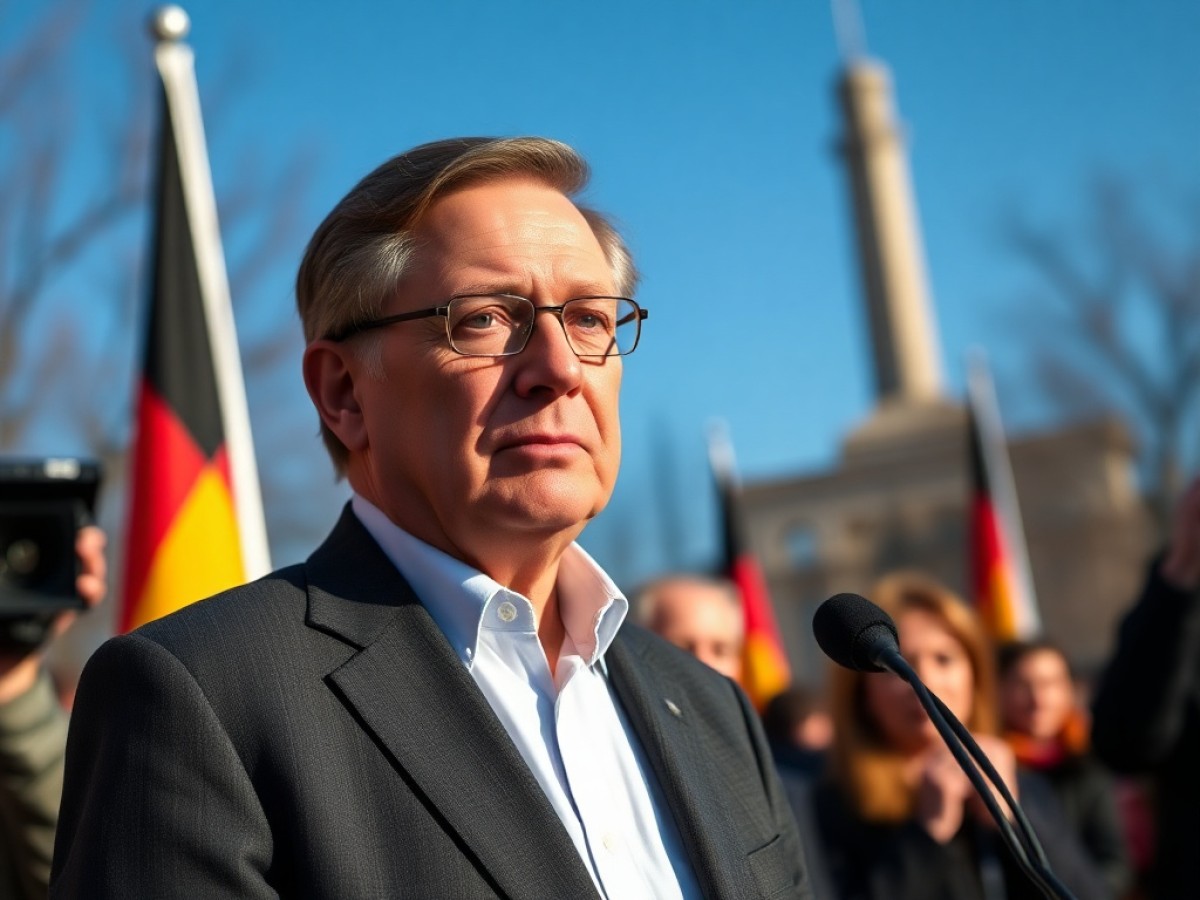
The recent UN Security Council election was a significant setback for Germany, marking a stark departure from the tight contest many had anticipated. Instead, Germany faced a clear defeat. This loss is perceived by many as a direct reflection of the current German administration under Chancellor Friedrich Merz and Foreign Minister Johann Wadephul.
A Spectrum of Reactions
Germany’s failure at the polls has sparked a flurry of reactions across the political spectrum. The Greens’ defense expert, Agnieszka Brugger, criticized Chancellor Merz and Foreign Minister Wadephul for not infusing the campaign with innovative ideas, describing the defeat as “embarrassing.”
From the Left, party leader Ines Schwerdtner attributed the loss to Germany’s muted stance on major global conflicts and vague positions on breaches of international law. Similarly, her co-chair, Jan van Aken, pointed out the adverse effects of Germany’s inconsistent foreign policy, especially in its dealings with the US conflicts with Venezuela and Iran.
Even voices within the coalition, like SPD’s foreign policy spokesperson Adis Ahmetovic, signaled the need for introspection about the signals Germany has been sending internationally. Siemtje Möller, also from SPD, emphasized the necessity for the German government to unequivocally identify and condemn violations of international law.
Internal Disappointment and Criticism
The CDU/CSU’s foreign policy spokesperson, Jürgen Hardt, expressed disappointment, suggesting that the considerable efforts made in recent months should have been rewarded. He highlighted that Germany’s proactive stance on various international issues, including strong support for Ukraine, might have spurred a backlash, particularly from Russia, potentially influencing the voting outcome.
Markus Frohnmaier of the AfD attributed the non-election to a long-standing, ideologically driven foreign policy that has isolated Germany internationally. He advocated for a fundamental reform of the United Nations, including securing a permanent seat for Germany on the Security Council.
Responses from the Winning Nations
Amidst the reactions, Chancellor Merz congratulated the new members of the Security Council, particularly Austria and Portugal, acknowledging their successful campaigns. Austria’s Foreign Minister Beate Meinl-Reisinger and Chancellor Christian Stocker celebrated their victory as a testament to their long-term strategic campaigning and diplomatic approach that prioritizes dialogue over confrontation.
Portuguese President António Seguro viewed their success as a reflection of the trust and credibility Portugal enjoys on the global stage, a sentiment that underscores the respect garnered through consistent and principled international engagement.
A YouTuber bought a Bugatti on TEMU expecting luxury… but the unboxing went terribly wrong
Colonizing Mars is no longer a dream: Elon Musk unveils a historic deadline that will change everything
Overall, the varied responses to Germany’s failure in the Security Council election highlight a complex interplay of international relations, domestic political critique, and the ongoing challenges of maintaining a coherent and effective foreign policy on the global stage.
Similar Posts
- Exploring What’s Still Possible in Washington: A Deep Dive
- Europeans Propose Expanded NATO Presence: Strengthening Defense Amid Global Tensions
- Honeymoon Phase Ends: What’s Next for Newlyweds?
- Merz Proposes Special EU Status for Ukraine: A Strategic Move for Europe
- Xi Aims to Elevate Partnership to Unprecedented Heights: A New Era of Collaboration

Lowell Hagan closely follows international affairs. From geopolitical conflicts to economic cooperation, he provides context to help readers better understand global dynamics. His clear, structured style gives meaning to global news.