Updated: 04 November 2026 • 10:43
Colonizing Mars is no longer a dream: Elon Musk unveils a historic deadline that will change everything
Gigantic 400-meter structures discovered beneath Antarctic ice spark heated debate among scientists worldwide
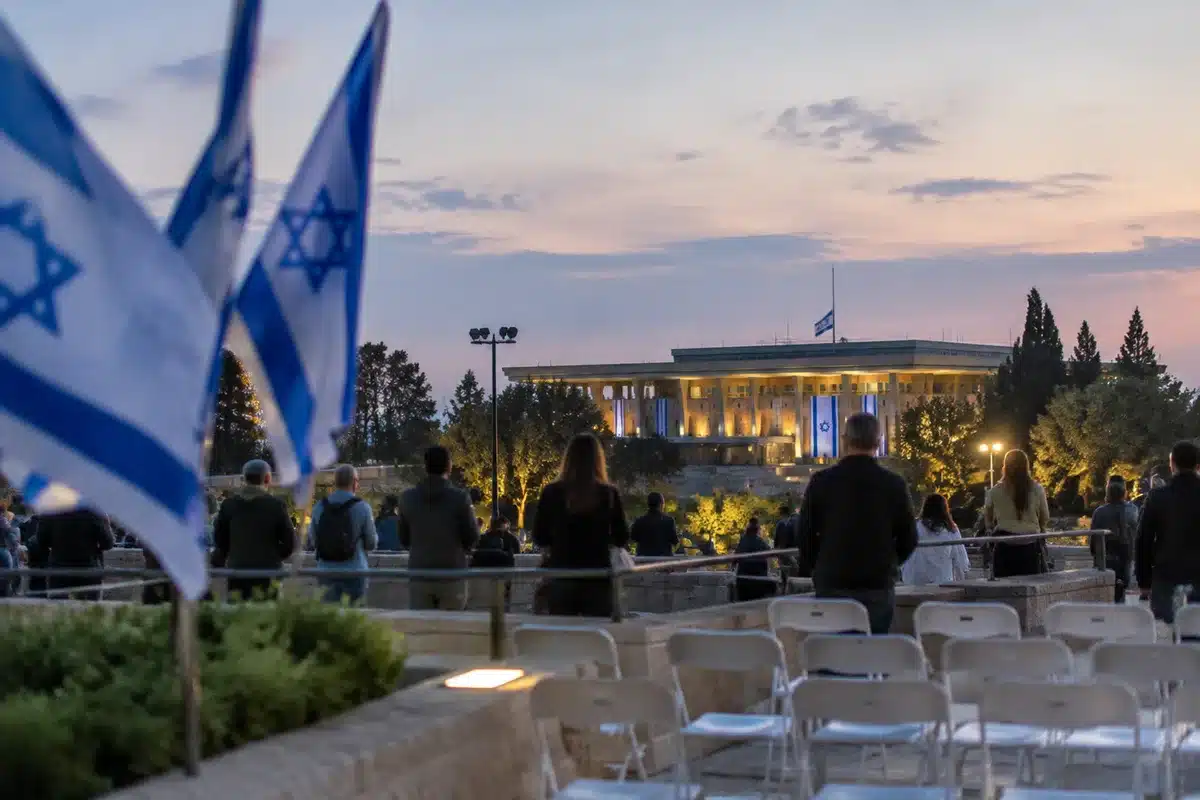
Israel has entered a crucial phase in the aftermath of the parliamentary election: formal consultations on forming a new government begin today at the presidential residence in Jerusalem. President Isaac Herzog will meet, in sequence, the leaders of every party represented in the Knesset as he seeks to identify who has the best chance of building a stable coalition.
A deadlocked parliament
The election produced a deep political stalemate. With 120 seats in the Knesset, a majority requires at least 61 deputies — a threshold neither the long-dominant right‑wing, religious bloc led by Benjamin Netanyahu nor the broad opposition alliance around former army chief Gadi Eisenkot can reach on their own. The result is both a numerical tie and a clash of starkly different ideological camps, leaving the country without a clear path to a functioning government.
Why these consultations matter
Herzog’s round of meetings — scheduled to run through Thursday evening — is the formal first step in a complex, often protracted process. After consulting all parliamentary groups, the president will nominate the politician he judges most likely to assemble a majority. That nominee then has a statutory 28 days to form a cabinet. Given the fragmented map and the unprecedented balance of forces, analysts expect weeks of hard bargaining to follow.
Arab parties emerge as pivotal players
One of the election’s most surprising outcomes was the strength of the Arab parties, which together hold 19 seats. That bloc has become the unexpected kingmaker: its support or recommendation could decide who receives Herzog’s mandate. Historically, Arab factions have seldom been direct participants in governing coalitions, so their central role now represents a major shift in Israeli politics. Both Netanyahu and Eisenkot face the delicate task of courting these lawmakers — and of negotiating terms that many until recently would have deemed unimaginable.
A public call for compromise
A YouTuber bought a Bugatti on TEMU expecting luxury… but the unboxing went terribly wrong
Colonizing Mars is no longer a dream: Elon Musk unveils a historic deadline that will change everything
Against the backdrop of the impasse, President Herzog chose unusually solemn and personal language before the consultations began. He urged party leaders to search “with an open heart” for creative compromises and to listen across deep political divides. Herzog warned that another prolonged paralysis or a repeat election would be a grave risk for the country.
He also took a transparency-first approach: the consultations at the presidential palace will be broadcast live on television and via digital platforms. By allowing the public to watch which factions back which candidate, the move is intended to bolster public confidence in the process — and to put additional pressure on parties to justify their choices.
Pressure from victims and families
Outside the halls of power, societal pressure is mounting, particularly on opposition leader Gadi Eisenkot. Representatives of families affected by the October 7 terror attacks — more than 700 people including released hostages, massacre survivors and residents of border communities — presented Eisenkot with an urgent appeal ahead of the consultations. They asked him to use his mandate to form a “government of change” and to refuse any compromise that would legitimize political forces they hold responsible for the catastrophic security failures surrounding that day.
The demand is emphatic: no deals, they say, that would validate those held accountable for the state’s failings. For Eisenkot — who personally lost family members in the conflict — the appeal adds both a political imperative and a heavy moral burden. Observers note that every decision he makes in the coming days will be weighed against this stark standard.
What comes next
After the consultation period ends, President Herzog will name the candidate he believes can best construct a coalition. That person’s 28‑day window to form government can, under law, be extended if necessary. But with the new configuration of blocs and the pivotal role of the Arab parties, the road to a functioning government now looks set to be prolonged and difficult, with intense negotiations expected in Tel Aviv and Jerusalem in the weeks ahead.
Similar Posts
- Israel’s President Herzog: Delivers a Sobering Assessment
- Conservative Party Triumphs in Parliamentary Election: A Decisive Victory
- Israel Supreme Court Allows Arab Parties to Run: Ruling Sparks Nationwide Debate
- Morocco’s First Female Prime Minister: Historic Breakthrough for Women in Politics
- Lecornu Proposes Solution to Crisis: Insights and Strategies Revealed

Lowell Hagan closely follows international affairs. From geopolitical conflicts to economic cooperation, he provides context to help readers better understand global dynamics. His clear, structured style gives meaning to global news.