
Published: 04.11.2026 • 15:11 CET
Colonizing Mars is no longer a dream: Elon Musk unveils a historic deadline that will change everything
Gigantic 400-meter structures discovered beneath Antarctic ice spark heated debate among scientists worldwide
The European Commission’s latest evaluation finds Montenegro closest to joining the EU. If reforms hold, Brussels believes the tiny Adriatic nation could complete accession talks soon and become a member state as early as 2028. Other hopefuls face a mix of realistic timetables and major obstacles.
Montenegro: on the brink — if reforms stick
The Commission’s new assessment singles out Montenegro as the candidate most likely to convert its membership bid into reality. Negotiations could be wrapped up by the end of this year, the report says, opening the way for signature of an accession treaty around June 2027. After that, the treaty must be finalised and ratified by all current EU member states before full membership can take effect — a process that would likely put formal accession in 2028, if everything proceeds without major delays.
Brussels stresses that this scenario depends on Montenegro not only passing laws on paper but implementing reforms in a durable way in the coming weeks and months. The country, with roughly 620,000 inhabitants — about the same population as the German city of Düsseldorf — is being watched closely for concrete, sustained progress on those commitments.
How the remaining steps work
Even if accession negotiations are concluded, several procedural hurdles remain: the accession treaty must be negotiated in detail, formally signed and then ratified by each of the EU’s 27 member states as well as by Montenegro itself. Past accessions show that these final stages can take many months.
Other applicants with plausible paths
Albania and the Republic of Moldova are also identified by the Commission as countries with realistic prospects of joining in the next years. The report envisages finishing negotiations with Albania by the end of 2027 and with Moldova in early 2028. As with Montenegro, those timetables would still leave additional months between the end of talks and actual accession, because of the negotiation and ratification steps that follow.
The Commission repeatedly underlines a simple condition: no candidate can join unless it has met the EU’s accession criteria in full. Meeting those benchmarks — on rule of law, public administration, anti-corruption and other chapters — remains the decisive factor.
The Ukraine bid: politically weighty, technically complex
Ukraine has set an ambitious target of completing accession negotiations by the end of 2028. The Commission backs the goal in principle but warns that Kyiv must accelerate reforms, especially on rule of law and anti-corruption, to make such a deadline plausible. Implementing comprehensive changes while the country remains at war presents obvious and severe difficulties.
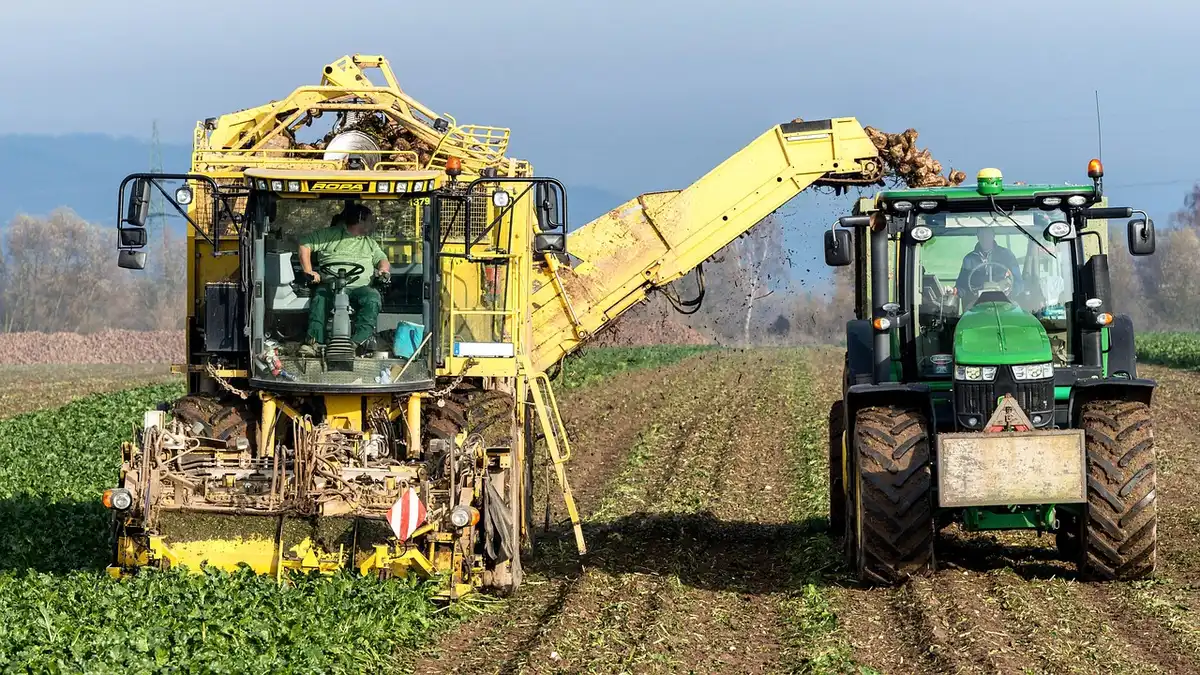
Another technical challenge is Ukraine’s large agricultural sector. Integrating its farms and produce into the EU market would be complicated; the Commission therefore proposes transition arrangements for some agricultural products. Those temporary measures could limit both market access and the level of financial support for certain goods during an adjustment period.
A YouTuber bought a Bugatti on TEMU expecting luxury… but the unboxing went terribly wrong
Colonizing Mars is no longer a dream: Elon Musk unveils a historic deadline that will change everything
For Ukraine, the prospect of EU membership carries great political and security significance: it would deepen economic ties with the West and bring the mutual-defence reassurance of EU treaties. Still, accession while active hostilities continue is widely seen as politically unlikely.
By population and territory Ukraine is the largest of the current candidates: roughly 39 million people and about 604,000 square kilometres — territorially almost 1.7 times the size of Germany but with a much smaller population density.
Why enlargement matters now
The Commission’s renewed focus on enlargement is not only about economics and stability. Geopolitics plays a central role: offering a credible path to EU membership is intended to reduce the incentive for states — particularly in the Western Balkans — to seek closer ties with Russia or China out of frustration over slow progress. The region is strategically important for Europe’s security, energy routes and migration management, making a broader EU presence attractive from a strategic standpoint.
Where progress is insufficient or frozen
Several applicants currently have little prospect of progress toward membership. Serbia, Bosnia and Herzegovina, North Macedonia and Kosovo are not seen as having advanced enough to be placed on accession timetables. Meanwhile, processes for Turkey and Georgia are effectively stalled, with both accession tracks frozen due to persistent democratic and rule-of-law shortcomings.
Historically, Croatia was the last country to join the Union; it completed accession and became a member on 1 July 2013. Since the United Kingdom’s departure in 2020, the EU has comprised 27 member states — each one required to ratify any future enlargement treaty.
Similar Posts
- Merz Proposes Special EU Status for Ukraine: A Strategic Move for Europe
- From Special Status to Full Membership: What’s Next?
- Brussels Eagerly Awaits Iceland’s Approval: What’s at Stake for Europe?
- EU Parliament Approves Multi-Billion Euro Loan for Ukraine: Details Inside
- Putin Embodies Conflict: A Deep Dive into Russia’s War Stance

Lowell Hagan closely follows international affairs. From geopolitical conflicts to economic cooperation, he provides context to help readers better understand global dynamics. His clear, structured style gives meaning to global news.