Antalya summit collapses — no joint final statement
After more than two weeks of talks and an extended overtime, the UN climate conference in Antalya ended without the usual collective closing declaration. Negotiators from nearly 200 countries failed to agree on language that would have explicitly addressed a phase-out of coal, oil and gas — a core demand from many delegations given the central role of fossil fuels in driving the climate crisis.
Colonizing Mars is no longer a dream: Elon Musk unveils a historic deadline that will change everything
Gigantic 400-meter structures discovered beneath Antarctic ice spark heated debate among scientists worldwide
Germany’s environment minister, Carsten Schneider (SPD), who spoke to a German newspaper after returning from the summit, urged caution about the negative headlines. He argued that the absence of a formal conclusion document does not prevent progress on climate action and pointed to growing global momentum for renewables and electric vehicles.
Why talks broke down: fossil fuels at the center
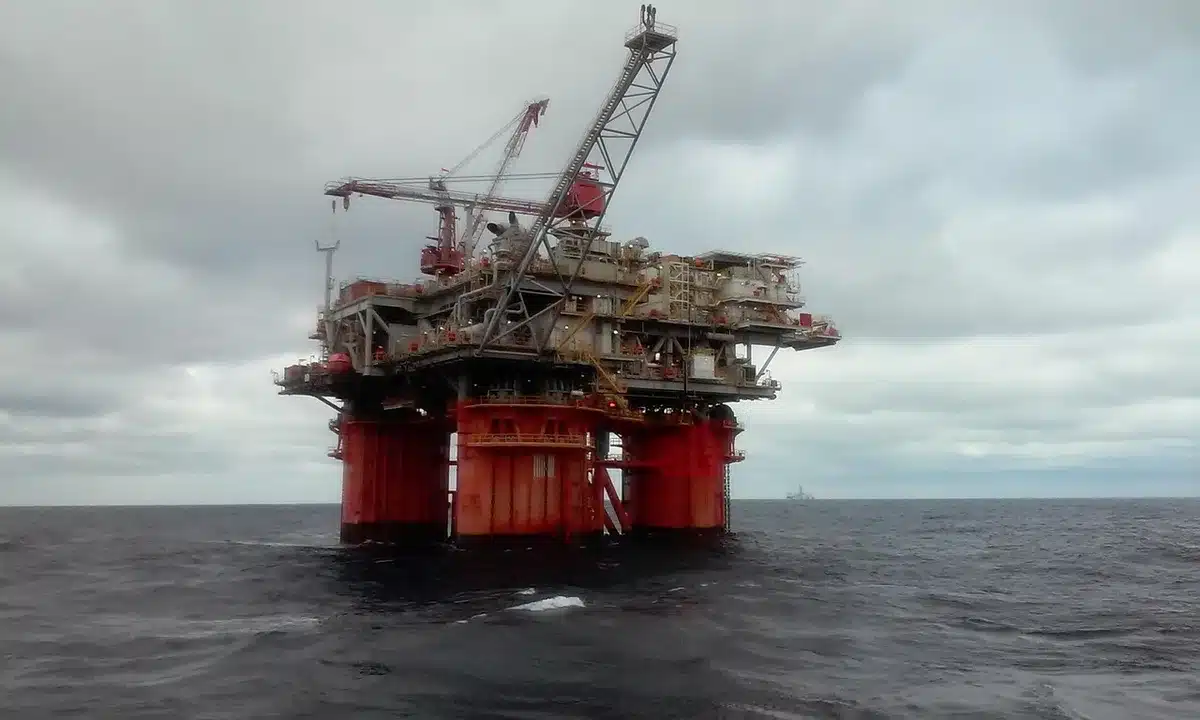
A central sticking point in the negotiations was whether the final text should mention a transition away from fossil fuels. Several major oil‑producing countries, notably Saudi Arabia and Russia, objected to such wording, and because the COP process requires consensus, their opposition blocked a common statement.
Representatives and ministers from Europe, Latin America, Asia, Africa and small island states said the oil exporters exerted outsized influence on the outcome. “This COP, in my view, was hijacked by a few oil states,” Irish climate minister Darragh O’Brien told Reuters, reflecting frustration from many delegations. Denmark’s climate minister Samira Nawa made a similar point, saying that banning any mention of fossil fuels in the final text signaled whose voice carried most weight at the conference.
EU stance: “Better no weak deal than a poor one”
The European Union stuck to a hard line in the closing days. EU Climate Commissioner Wopke Hoekstra framed the bloc’s position bluntly: negotiators should accept only a meaningful agreement, otherwise none should be adopted. In the end, no agreement was reached.
Many scientists, climate experts and NGOs reacted with disappointment — but also relief that a diluted compromise was avoided. Johan Rockström and Ottmar Edenhofer, directors at the Potsdam Institute for Climate Impact Research, said the collapse of the final text was preferable to settling for a tepid statement that would have offered little real progress.
Coalitions and voluntary initiatives gain prominence
One clear outcome of Antalya was the continued importance of alliances outside the slow UN machinery. The host country pushed an electrification initiative during the conference; although it did not become an official COP decision, dozens of nations, city administrations and companies signed on to the pledge, and the effort remains active.
Germany’s environment minister emphasized that national and subnational action will carry on regardless of the summit’s failure. “We will not be deterred from doing the right thing: expanding renewable energy and reducing dependence on oil and gas,” Schneider said, noting that the shift toward electric vehicles and clean power is already visible worldwide. The German environment agency (UBA) recommended strengthening coalitions of willing countries and actors as an alternative route to progress when multilateral agreements stall.
China’s message: transition is inevitable, Beijing remains engaged
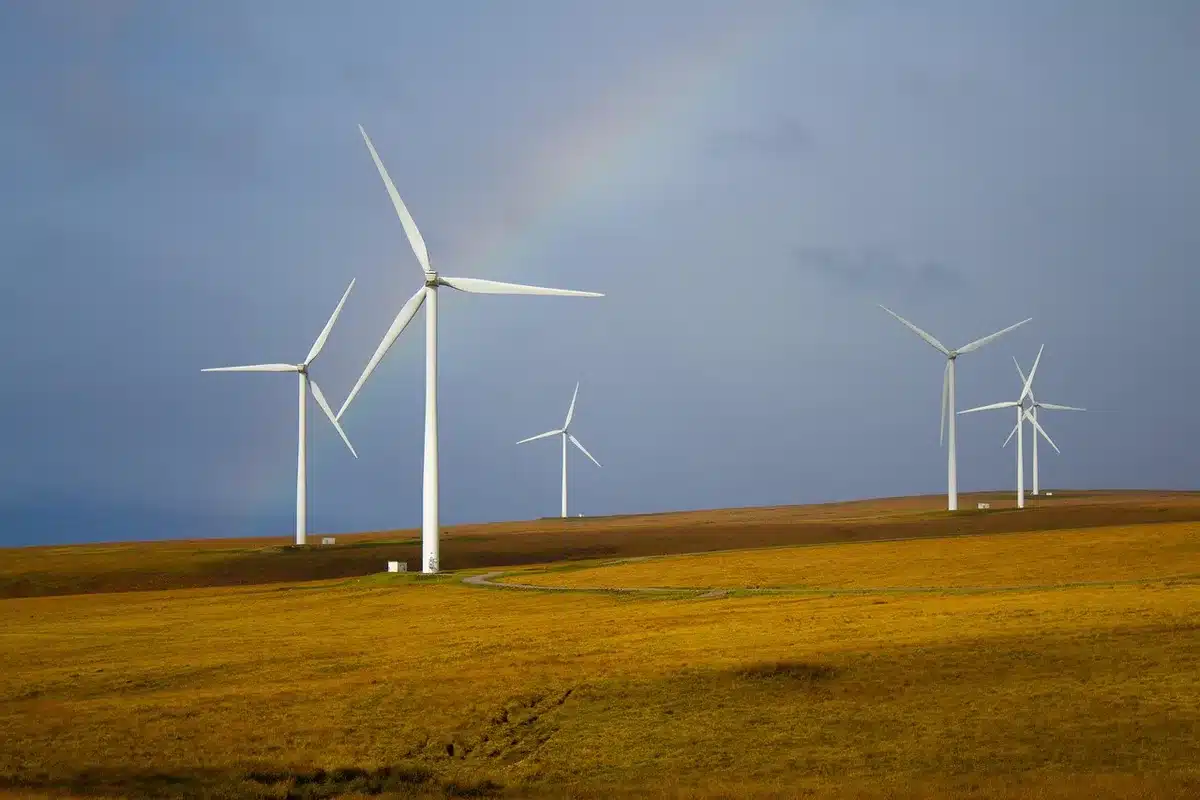
China — the world’s largest greenhouse‑gas emitter, followed by the United States, India and the EU — signaled that it sees the move toward lower‑carbon economies as irreversible. A spokesman for China’s foreign ministry described the global shift to a “green, low‑carbon transformation” as unstoppable. Unlike the United States, which under President Donald Trump previously withdrew from the Paris Agreement, China continues to take part in the international negotiation process.
A YouTuber bought a Bugatti on TEMU expecting luxury… but the unboxing went terribly wrong
Colonizing Mars is no longer a dream: Elon Musk unveils a historic deadline that will change everything
Voices from the field and next steps
Observers at Antalya stressed two simultaneous realities: on one hand, diplomacy showed its limits when unanimity is required and powerful fossil fuel interests push back; on the other, market and policy trends — the spread of renewables, electrification of transport, and corporate commitments — are accelerating independently of any one summit outcome. With formal COP consensus absent, the coming months are likely to see intensified action by coalitions of countries, cities, companies and civil society to keep emissions reductions on track.
Similar Posts
- Climate Summit Failure: Who’s to Blame?
- UN Conference Reaches Breakthrough: Deal Secured After Tough Negotiations
- Today’s the Day: Breaking the Deadlock with a Crucial Decision
- Xi and Putin Strike Numerous Deals; One Key Agreement Remains Elusive
- Winning a New Life: How Lotteries Are Reshaping Immigration Paths

Lowell Hagan closely follows international affairs. From geopolitical conflicts to economic cooperation, he provides context to help readers better understand global dynamics. His clear, structured style gives meaning to global news.