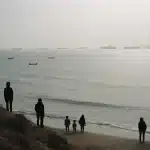
Exploring Climate Asylum: Tuvalu’s Plea and Australia’s Response
Tuvalu, a picturesque island nation in the Pacific, faces a dire future due to rising sea levels. With its highest point merely five meters above sea level, projections suggest that by 2100, 95% of the land could be submerged during high tides. This potential catastrophe has prompted thousands of Tuvaluans to seek climate asylum in Australia, situated 4,000 kilometers away.
Work revolution: Google reveals 90% of professionals are already using AI daily – are you one of them?
Gigantic 400-meter structures discovered beneath Antarctic ice spark heated debate among scientists worldwide
A Lifeline from Down Under
In response to Tuvalu’s precarious situation, Australia introduced the Falepili Agreement in November 2024, hailed as a significant pact between Australia and a Pacific island nation. Australian Prime Minister Anthony Albanese emphasized the responsibility of industrial nations to assist in times of natural disasters. Under this agreement, Australia commits to supporting Tuvalu post-major natural catastrophes.
The Visa Lottery: Hope Amid Uncertainty
The demand for Australian visas under the climate asylum program is overwhelming. Approximately half of Tuvalu’s 10,500 citizens have applied, with Australia offering 280 visas annually through a secretive lottery process. This initiative allows Tuvaluan recipients to live, work, or study in Australia, providing a new avenue for a secure future.
Despite the optimism, there’s concern over the potential brain drain from Tuvalu, as young, skilled individuals leave their homeland. Critics also point out Australia’s continued reliance on fossil fuels, contributing to climate change while Pacific neighbors like Tuvalu bear the brunt of its impacts.
Individual Hopes and Collective Fears
For many in Tuvalu, the visa lottery isn’t just about escaping environmental disaster—it’s about securing a better future for the next generation. A 70-year-old man expressed a poignant wish for his grandchildren to gain asylum, ensuring they have a safe future, even if he himself chooses to stay in Tuvalu as long as it remains habitable. Others, like Savali Matio and Savali Fatoga, have applied for visas hoping to provide their children with better educational and medical opportunities in Australia.
Global Praise and Local Worries
Tuvalu’s Prime Minister Feleti Teo has praised Australia’s commitment, which has deeply moved the people of Tuvalu. However, the broader implications of losing young, educated Tuvaluans and the ethical considerations of Australia’s environmental policies remain points of contention.
As Tuvaluans await the outcomes of their visa applications, the situation underscores a larger narrative of migration driven by climate change, where survival instincts collide with the desire for a better life abroad. This unfolding scenario will test the resilience and adaptability of both nations as they navigate the challenges of environmental migration.
Similar Posts
- Toxic Algae Threatens Marine Life Off Australian Coast: Ecosystem at Risk!
- Unveiling Pistorius’s Indo-Pacific Negotiations: Strategic Outcomes Revealed
- Mass Extinction Looms: Experts Warn of Global Crisis
- Australia’s Flood Crisis Worsens: Death Toll Rises Amidst Catastrophe
- Unprecedented Coral Bleaching Strikes the Great Barrier Reef: A Critical Alert

Lowell Hagan closely follows international affairs. From geopolitical conflicts to economic cooperation, he provides context to help readers better understand global dynamics. His clear, structured style gives meaning to global news.