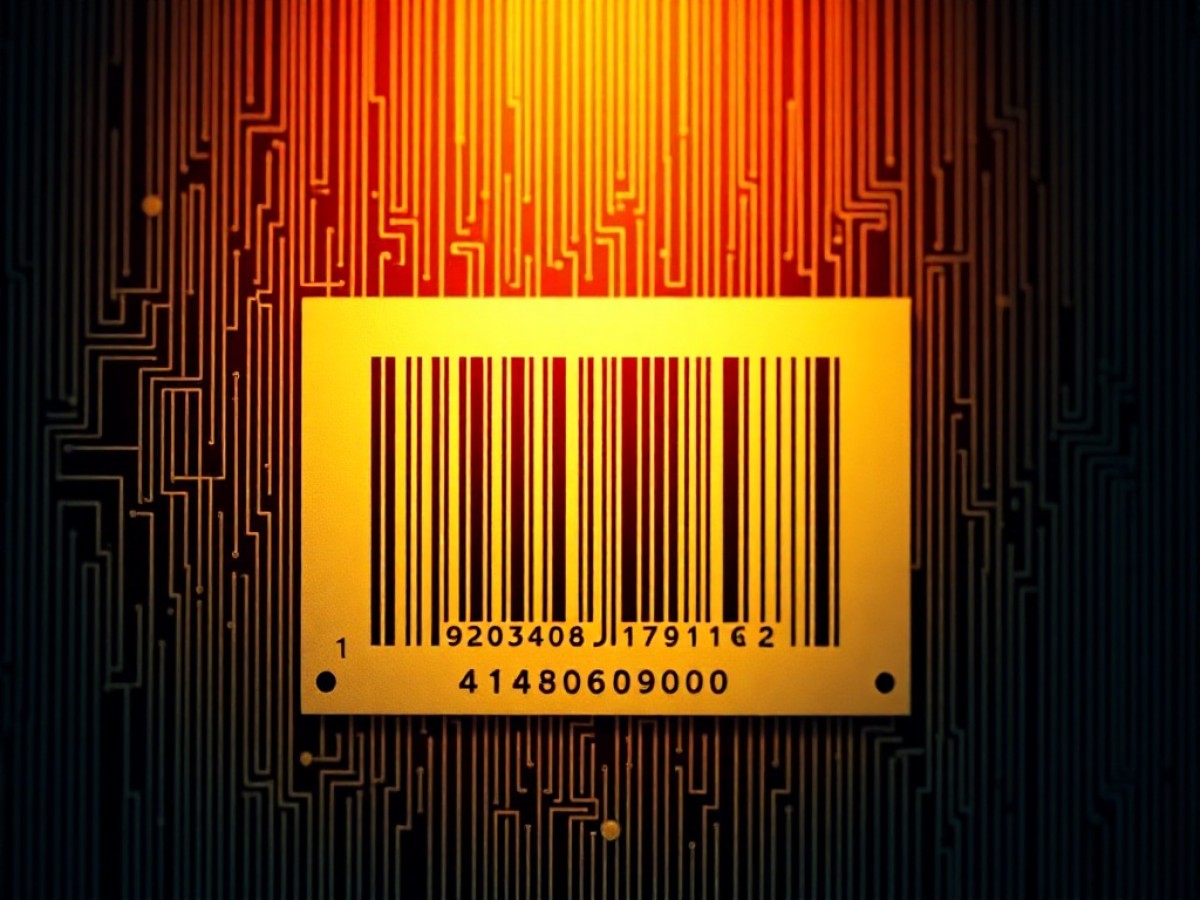
Welcome to an exploration of a unique and often overlooked topic in our day-to-day lives. Let’s dive into the intricate world of the humble barcode – a ubiquitous symbol that plays a critical role in our global economy, yet remains something of a mystery to most consumers.
Work revolution: Google reveals 90% of professionals are already using AI daily – are you one of them?
Gigantic 400-meter structures discovered beneath Antarctic ice spark heated debate among scientists worldwide
## Unveiling the Barcode: A Silent Contributor to Modern Shopping
Barcodes, those series of lines you see on virtually every product, are not just random marks but are a critical component of modern commerce. Originally designed to streamline the checkout process in stores, barcodes now facilitate inventory management, enhance operational efficiency, and support advanced supply chain management techniques.
The invention of the barcode can be attributed to Norman Joseph Woodland and Bernard Silver, who developed this system to aid in the speedy checkout of products at grocery stores. Woodland, inspired by Morse code, drew his first barcode in the sand, consisting of extended thin and thick lines to represent numbers. This idea was patented in 1952 and has since evolved into the Universal Product Code (UPC) first used commercially in 1974 when a pack of Wrigley’s gum became the first product with a barcode to be scanned at a supermarket.
## How Barcodes Enhance Efficiency
Barcodes play a pivotal role in beyond just speeding up the checkout process. They are integral to managing vast inventories. By allowing for the quick scanning of products, barcodes save time and reduce errors associated with manual data entry. This efficiency is crucial not just in retail but also in manufacturing, logistics, and other sectors where inventory management is vital.
In logistics, barcodes are indispensable for tracking shipments and ensuring that products reach their destinations efficiently. They help in reducing package handling times and improving delivery accuracy, thereby enhancing overall supply chain efficiency. The ability to track items accurately also aids businesses in managing stock levels more effectively, preventing both overstock and stockouts.
## Beyond Conventional Uses
Interestingly, the application of barcodes extends beyond mere product identification and inventory management. They are increasingly used in creative ways such as in advertising campaigns where scanning a barcode can lead consumers to a website, a discount voucher, or exclusive content. Furthermore, in healthcare, barcodes are employed to ensure the correct medications are administered to patients, thereby increasing safety and reducing human error.
A YouTuber bought a Bugatti on TEMU expecting luxury… but the unboxing went terribly wrong
Colonizing Mars is no longer a dream: Elon Musk unveils a historic deadline that will change everything
## The Future of Barcodes and Beyond
As technology advances, so too does the functionality and application of barcodes. The introduction of QR codes and RFID tags represents the next evolution of this technology. QR codes, for instance, can store more data and are accessible using smartphones, broadening their use in digital marketing and personal identification. Meanwhile, RFID tags offer the capability of being read without a line of sight, opening new avenues for tracking assets and automating inventory systems in more complex environments.
In conclusion, while often overlooked, barcodes are a fundamental element of modern commerce and technology. From their origins in a simple sand drawing to their role in complex supply chains and digital marketing strategies, barcodes demonstrate a powerful example of how a simple idea can transform global industries. As we look to the future, the potential for further innovation in barcode technology continues to expand, promising even greater efficiency and new applications.
Similar Posts
- Revolutionary AI Narration by ElevenLabs: Experience Enhanced Listening in Just 5 Minutes!
- Alert: Consumer Recall on Popular Dietary Supplement!
- Revolutionary AI Narration by ElevenLabs: Upgrade Your Listening Experience in Just 5 Minutes!
- Shopify Stock Surges: Find Out What’s Driving Today’s Spike!
- Revolutionize Your Audio Experience: Upgrade to AI-Powered Narration by ElevenLabs!

Byron Tiller is a journalist deeply rooted in America’s social and political landscape. He provides insightful analysis of events shaping the United States, from federal decisions to local challenges. With sharp curiosity and critical thinking, he helps readers grasp the evolution of American society.