A Fresh Perspective from the World Social Forum in Benin
In the vibrant city of Cotonou, the largest in Benin, voices chant in unison, “So-, So-, Solidarité!” echoing across the expansive university campus. This scene marked the closing rally of the World Social Forum (WSF), which saw the gathering of about 1,000 participants from over 50 countries, predominantly from Africa but also from Latin America and Asia. Decked in the colorful traditional attire of their respective homelands and carrying banners from their organizations, the attendees made a powerful, visually striking statement.
Colonizing Mars is no longer a dream: Elon Musk unveils a historic deadline that will change everything
Gigantic 400-meter structures discovered beneath Antarctic ice spark heated debate among scientists worldwide
The mood was defiant, with slogans that resonated as a bold assertion from the Global South directed towards the affluent nations of the North. Calls for “Solidarity with Africa’s small farmers!”, “Solidarity with migrants!”, and “Solidarity with the disenfranchised and displaced!” filled the air, encapsulating the forum’s ethos of championing the underrepresented and overlooked.
The World Social Forum: A Counterpart to Davos
Since its inception in 2001 in Porto Alegre, Brazil, the WSF has positioned itself as an antithesis to the World Economic Forum held in Davos. The WSF is a gathering of non-governmental organizations aimed at amplifying the voices of those usually unheard: small farmers, fishermen, refugees, and displaced persons. It intentionally excludes government politicians, fostering a space purely for civil society to deliberate on pressing global issues.
The forum’s agenda covered a wide array of critical topics including climate justice, food security, land grabbing, and human rights. These discussions have gained urgency against the backdrop of global conflicts like the war in Ukraine affecting grain imports and the escalation of fertilizer costs due to geopolitical tensions in places like the Strait of Hormuz.
Compounded by the retreat of the USA and other Western nations from development cooperation and the weakening of many UN institutions under former US President Donald Trump, the challenges are mounting. Francisco Mari from the Protestant aid organization Bread for the World in Benin suggested a revision of the WSF motto to “A different world is urgently needed!” particularly in light of the devastating impacts of climate change on the Global South.
Environmental Conservation at Risk
A mere two-hour drive west of Cotonou, in the mangrove forests of Grand Popo, the repercussions of reduced Western involvement in environmental and climate projects are palpable. The mangroves, part of a massive biosphere reserve stretching over 35,000 square kilometers from Benin to Togo, are crucial for carbon sequestration but face threats from deforestation. Local NGO Eco-Bénin has been actively involved in reforestation efforts, which are now at risk due to a 40% reduction in funding from traditional donor countries.
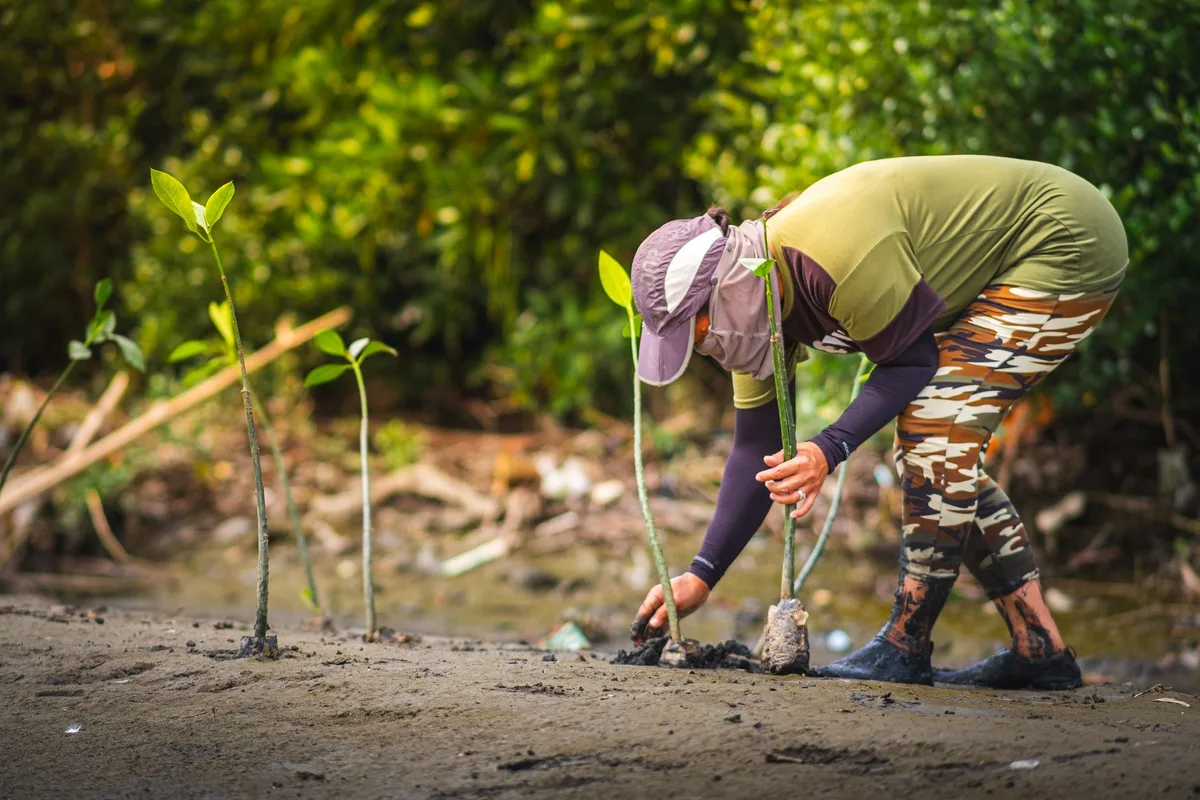
“Without this funding, we will have to cease reforestation here as we simply do not have sufficient local resources,” explained Frank Equé, a representative from Eco-Bénin.
Turning Crisis into Opportunity
However, the decrease in Western aid is also seen as an opportunity to promote local initiatives. About 50 kilometers north of Cotonou, the seed bank of CEVASTE is helping local smallholder farms by providing them with more resilient plant varieties. “This allows us to avoid chemical fertilizers, hybrid seeds, pesticides, and herbicides that farmers otherwise have to purchase at high costs from large agribusinesses,” said Noël Jah, who helped establish the seed bank.
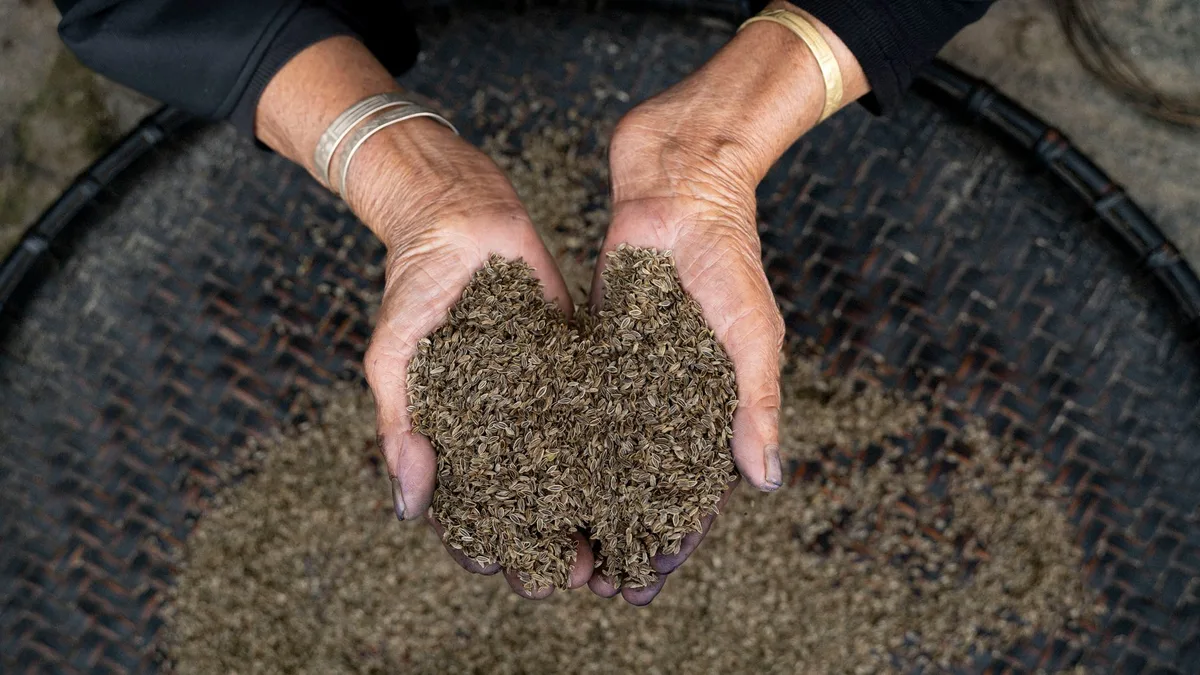
This approach not only makes economic sense for smallholders but also aligns with the concept of food sovereignty frequently discussed at the WSF. Imke Tiemann, an Africa consultant from Bread for the World, explained, “Food sovereignty is about relying more on local solutions, local fertilizers, and methods based on traditional knowledge.”
A YouTuber bought a Bugatti on TEMU expecting luxury… but the unboxing went terribly wrong
Colonizing Mars is no longer a dream: Elon Musk unveils a historic deadline that will change everything
Empowering the Global South
The WSF in Benin showcased a new confidence among the civil societies of the Global South, born from enduring the severe crises of our times. “We have seen that global movements and civil societies are not defeated by terrible conditions, wars, crises, oppression, climate disasters, or hatred and violence against minorities,” noted Francisco Mari.
This newfound self-reliance was echoed by Massa Koné from Mali, spokesperson for the West African land rights movement, who emphasized, “We must first rely on our own resources and capabilities, not on superficial solutions from the EU, China, the USA, or the World Bank.”
The next World Social Forum is set to take place in two years, likely moving to South America, continuing its mission to foster a more equitable and sustainable global community.
Similar Posts
- Listen Up: Why This Voice Deserves Your Attention Now
- Coup Attempt Rocks Benin: Key Details Uncovered
- A Moment of Silence at Bondi Beach: Reflecting on a Solemn Gathering
- 14 billion more hectares of arable land? China is betting on a super grain that could change everything for humanity
- Zohran Mamdani Slams Cuomo’s Bigotry: New Yorkers Demand Change!

Lowell Hagan closely follows international affairs. From geopolitical conflicts to economic cooperation, he provides context to help readers better understand global dynamics. His clear, structured style gives meaning to global news.