Colonizing Mars is no longer a dream: Elon Musk unveils a historic deadline that will change everything
Gigantic 400-meter structures discovered beneath Antarctic ice spark heated debate among scientists worldwide
As Bosnia and Herzegovina prepares for its upcoming elections, new technologies are being introduced to ensure a fair voting process.
A Glimpse into Bosnia’s Technological Leap in Elections
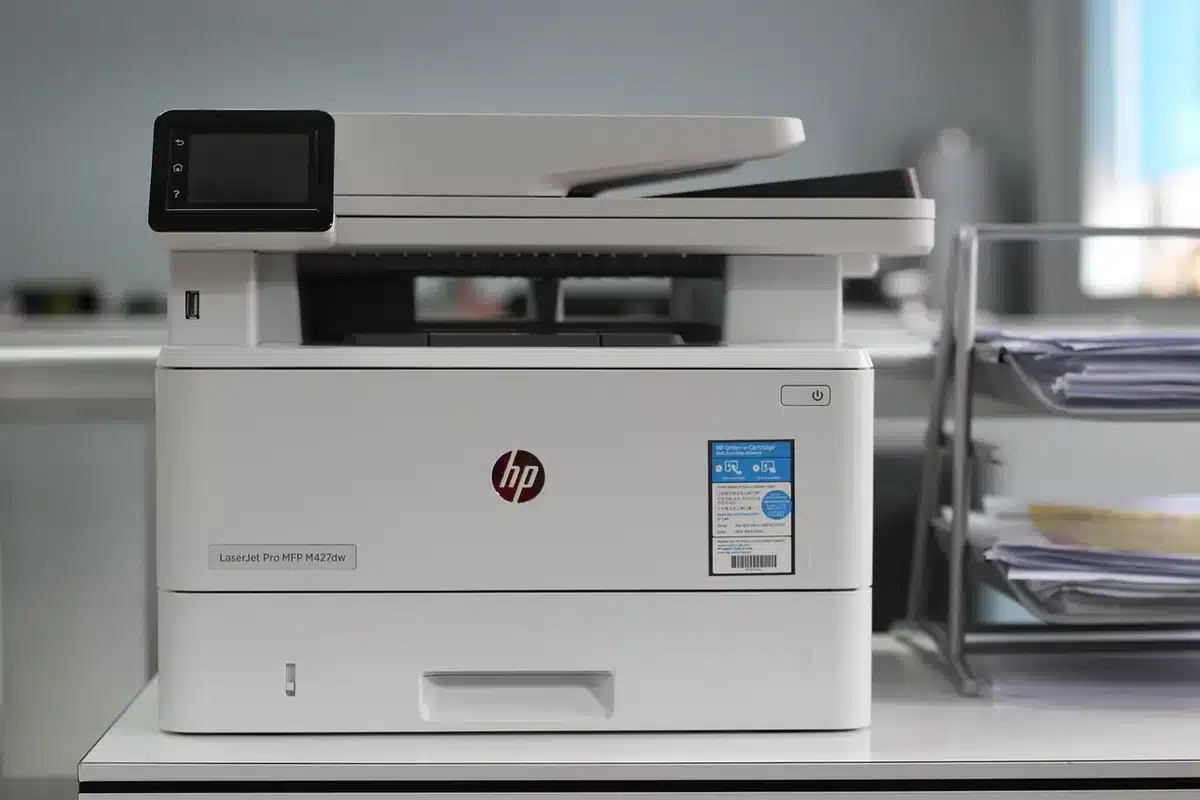
In an effort to combat election fraud, Bosnia and Herzegovina is deploying new technological measures including biometric identification and electronic ballot scanning for the first time in its electoral history. This significant update comes in the form of fingerprint readers and ballot scanners, aimed at ensuring the authenticity of each vote cast.
Public Reception and Training Initiatives
While there may be a learning curve, especially for the elderly, the general sentiment towards these advancements is positive. A simulated polling station set up in Ilidza, near Sarajevo, serves as a training ground where volunteers help citizens familiarize themselves with the new system. According to Hasan Kamenjakovic from the watchdog group Pod Lupom, a vast majority supports this modernization across different ethnic and regional lines.

Why Change Was Necessary
A YouTuber bought a Bugatti on TEMU expecting luxury… but the unboxing went terribly wrong
Colonizing Mars is no longer a dream: Elon Musk unveils a historic deadline that will change everything
Historically, Bosnia’s elections have been plagued with irregularities, including votes cast in the names of deceased individuals. These issues have undermined trust in electoral outcomes, prompting the need for a more secure system. Political scientist Tanja Topic believes that while these technologies won’t solve all problems immediately, they represent a critical step towards cleaner and more transparent elections.
Voices from the Ground
Eren Burazerovic, an 18-year-old student from Sarajevo, shares his perspective as a young voter facing the complexities of Bosnian politics. He expresses optimism about the new technology but acknowledges the challenge of understanding the intricate political system.
The Complex Political Landscape
Voters will choose representatives across six governmental levels, including a tripartite presidency structured to reflect the country’s ethnic divisions. This system, deeply intertwined with ethnic identities, continues to shape political dynamics and discussions, particularly concerning the representation of Croats and Bosniaks in the Federation of Bosnia and Herzegovina.
Controversial Proposals and Ethnic Divides
The Croatian party HDZ has been advocating for separate voting for Croats and Bosniaks to address perceived disadvantages due to demographic distributions. This proposal has sparked significant debate about inclusivity and minority rights within the federation.
As Bosnia and Herzegovina steps into a new era of electoral technology, the nation remains hopeful that these changes will pave the way for more legitimate and accepted election results, despite the ongoing challenges posed by its complex political and ethnic landscape.
Similar Posts
- Switzerland vs. Bosnia 2026 World Cup Showdown: Betting Odds & Expert Predictions!
- Court Halts Trump’s Nationwide Mail Voting Plans: What This Means for Elections
- Trump Faces Setbacks at Supreme Court: Key Decisions Explained
- Controversial Myanmar Election Concludes: What Happens Next?
- Supreme Court’s Dark Money Man Targets Voting Rights: See How He Plans to Restrict Your Vote!

Lowell Hagan closely follows international affairs. From geopolitical conflicts to economic cooperation, he provides context to help readers better understand global dynamics. His clear, structured style gives meaning to global news.