Work revolution: Google reveals 90% of professionals are already using AI daily – are you one of them?
Gigantic 400-meter structures discovered beneath Antarctic ice spark heated debate among scientists worldwide
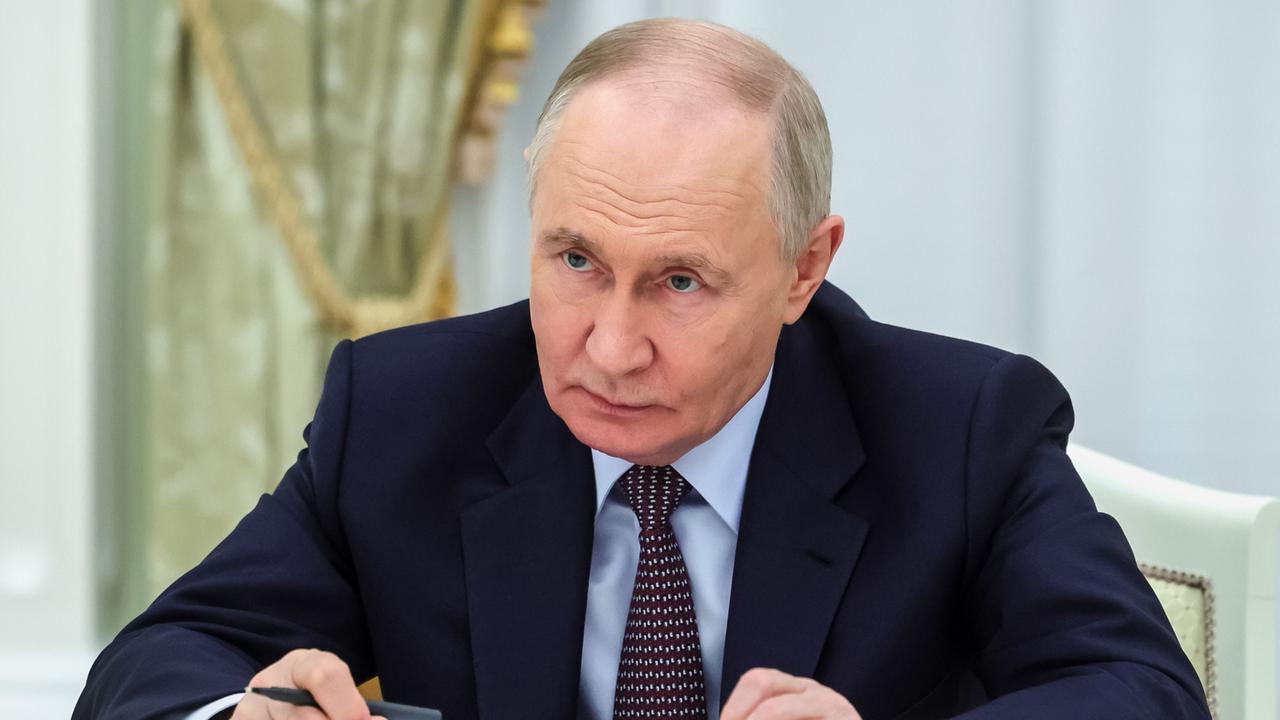
Pressure Rises as Putin Faces Economic Challenges and Declining Popularity
Russian President Vladimir Putin is experiencing a noticeable decline in approval ratings amidst persistent economic difficulties and the ongoing conflict with Ukraine. Even state-affiliated polling agencies reveal a decrease in public support, with the latest figures indicating only 73% approval — the lowest since the full-scale invasion began. This downturn is significant, considering the restricted freedom of response in Russian surveys.
Social media platforms are abuzz with videos and posts from disgruntled citizens frustrated over rising supermarket prices and deteriorating urban infrastructure, further confirming the negative trend in public sentiment.
A YouTuber bought a Bugatti on TEMU expecting luxury… but the unboxing went terribly wrong
Colonizing Mars is no longer a dream: Elon Musk unveils a historic deadline that will change everything
Economic Strain Reflected in Consumer Prices and Official Acknowledgements
The Russian economy is feeling the pinch with the increase in VAT from 20% to 22% and reduced growth forecasts. President Putin, in a rare admission, noted a contraction in the GDP by 1.8% in the early months of the year, attributing it to various factors but notably omitting the war’s impact. Despite this, he has called on the government and the Central Bank to devise strategies to stimulate growth.
In response, the Central Bank has cut the key interest rate multiple times in an attempt to boost economic activity by making borrowing cheaper for consumers and businesses.
Investment in Limbo: Business Sentiment and Central Bank Forecasts
Despite lower borrowing costs, a survey by the government-aligned RSPP industrialists’ association reveals that over 80% of businesses have halted their investment plans. Central Bank Governor Elvira Nabiullina maintains a cautious growth outlook of 0.5 to 1.5% for 2026, emphasizing the subdued nature of economic recovery.
Ukrainian Drones Target Russian Infrastructure
The economic challenges are compounded by Ukrainian drone attacks targeting vital Russian export facilities, extending as far as West Siberia and the Ural region. These strikes are not only a direct hit to Russia’s economic framework but also disrupt major energy sources, which Kremlin spokesperson Dmitry Peskov claims are attempts to destabilize global energy markets, overlooking Russia’s own role in the conflict.
Internal Criticism and the Looming Elections
Criticism is also mounting from within. High-profile figures like the chairman of the Communist Party, Gennady Zyuganov, and oligarch Oleg Deripaska have publicly condemned the government’s economic policies, predicting dire outcomes. This internal dissent is rare and highlights the growing discontent among even those close to the Kremlin.
The economic discourse is becoming increasingly fraught as the September Duma elections approach, suggesting that political maneuvering could be influencing the outspokenness of usually reserved critics.
Fiscal Pressures Intensify
Despite ongoing revenues from oil and gas, especially from markets like China and India, the Russian state coffers are depleting, compelling the government to seek additional funds through tax increases and monetary adjustments. Reports suggest that Putin has even solicited private donations from wealthy Russians to support the war effort, although Kremlin officials frame these as voluntary contributions reflecting a sense of national duty.
The evolving economic and political climate in Russia poses significant challenges for Putin’s administration, as it navigates both domestic discontent and the complex dynamics of the Ukrainian conflict without openly acknowledging the economic toll of the war.
Similar Posts
- Putin Admits to Fuel Shortages Amid Crisis: Details Inside
- Ukraine’s Bold Stand Against Putin’s Buffer Zone Strategy: A Closer Look
- Zelensky Proposes Ceasefire at Power Plants: A Strategic Move Amidst Conflict
- Putin Disregards Ukraine’s Unilateral Ceasefire, Says Zelensky: Tensions Escalate
- Trump’s Erratic Policies Persist: Unpredictability Reigns in Latest Moves

Lowell Hagan closely follows international affairs. From geopolitical conflicts to economic cooperation, he provides context to help readers better understand global dynamics. His clear, structured style gives meaning to global news.