Work revolution: Google reveals 90% of professionals are already using AI daily – are you one of them?
Gigantic 400-meter structures discovered beneath Antarctic ice spark heated debate among scientists worldwide
Amid fluctuations of threat and diplomacy, President Trump hints at a hopeful agreement with Iran, citing the country’s commitment to forgo nuclear arms.
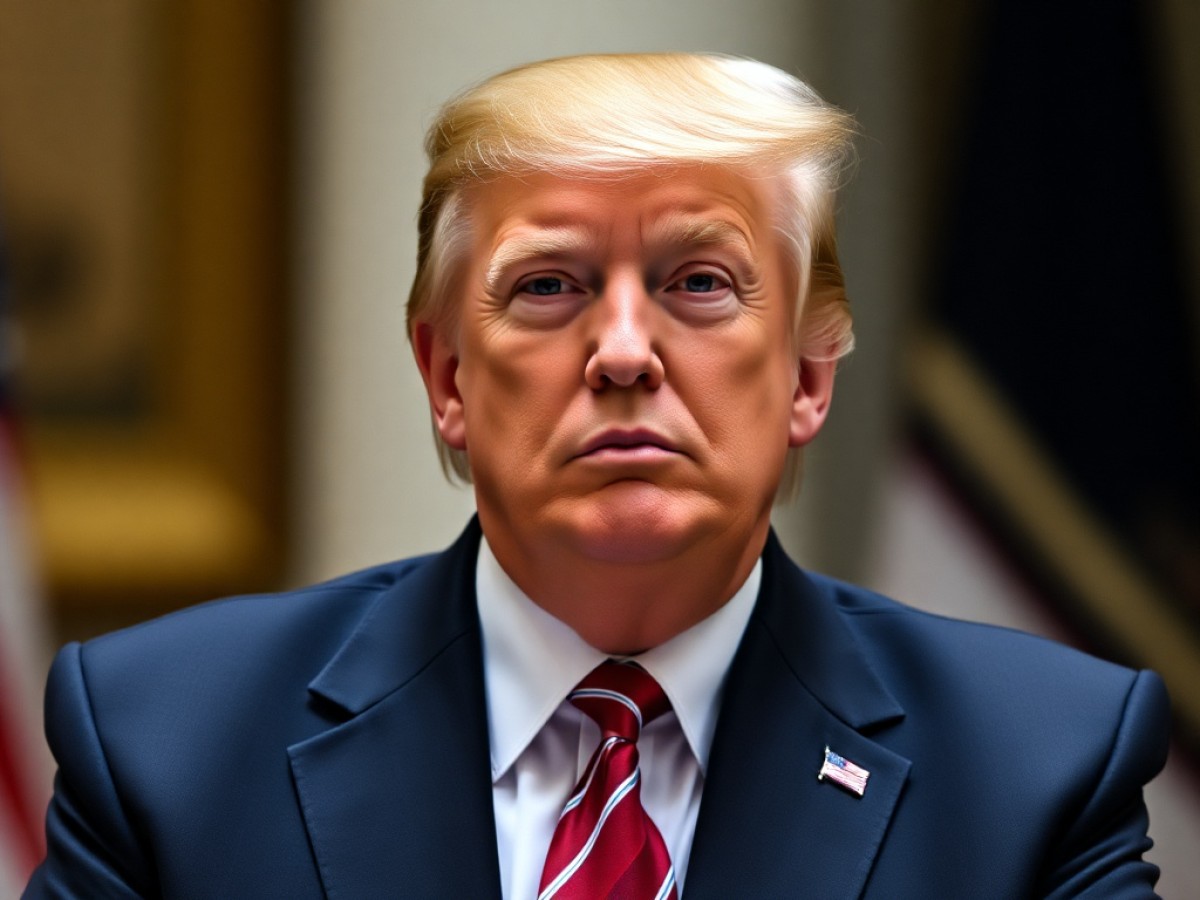
Within a day filled with strategic negotiations, President Donald Trump conveyed a positive outlook regarding an agreement with Iran. “The discussions in the past 24 hours have been very productive, and it seems highly likely that we will reach an agreement,” Trump mentioned during a press interaction in the Oval Office.
Trump articulated that Iran had agreed to a crucial stipulation of not pursuing nuclear weapons. He shared these insights during a press conference without delving into other accepted conditions by Tehran.
Responses from Iran
Despite Trump’s optimistic statements, the reaction from Iran has been cautious. Iran’s Foreign Ministry spokesman, Ismail Baghai, dismissed claims of an imminent deal being close. “We are evaluating the U.S. proposal and will send our response through the intermediary, Pakistan,” Baghai stated to the Iranian news agency, Isna.
Threats of Escalation
Recently, Trump also issued threats of further military action against Iran if they fail to reopen the Strait of Hormuz. “If they do not agree, bombings will commence, unfortunately at a much higher intensity than before,” Trump declared on social media platforms. He described the blockade of the Strait as a “steel wall,” as both nations use disruptions in oil and gas shipments as leverage against each other.
Since mid-April, the U.S. military has been enforcing a naval blockade in the Strait of Hormuz, preventing vessels from either entering or leaving Iranian ports. The U.S. Central Command reported via the social media platform X that an Iranian-flagged, unladen oil tanker was disabled after ignoring U.S. warnings about violating the American naval blockade. The tanker was reportedly moving towards an Iranian port in the Gulf of Oman when it was targeted by a U.S. fighter jet.
Controversy Surrounding ‘Project Freedom’
The situation in the Strait of Hormuz has escalated due to the ongoing conflict with Iran, leading to numerous ships being stranded for weeks. President Trump initiated ‘Project Freedom’ aiming to escort these ships out of the strait. However, the mission was abruptly paused after just one day.
A YouTuber bought a Bugatti on TEMU expecting luxury… but the unboxing went terribly wrong
Colonizing Mars is no longer a dream: Elon Musk unveils a historic deadline that will change everything
NBC News reported that the suspension might be linked to displeasure from Saudi Arabia regarding ‘Project Freedom.’ According to the report, Saudi Arabia has prohibited the U.S. military from using a local base for the operation, as stated by two unnamed U.S. government officials.
International Efforts for Stability
In a move to stabilize the region, French President Emmanuel Macron and the British government have proposed an international, neutral mission to secure the Strait of Hormuz. Macron discussed this initiative over a phone call with Iran’s President Massud Peseschkian, emphasizing that restoring calm in the strait would aid negotiations concerning Iran’s nuclear program and regional issues.
Macron urged both Iran and the U.S. to lift their blockades “immediately and unconditionally.” He also revealed that the French military had positioned the aircraft carrier ‘Charles de Gaulle’ in the Red Sea, ready to partake in the proposed international mission if necessary.
Similar Posts
- Europeans Gear Up for Strategic Hormuz Mission: Ensuring Waterway Security
- Iran Rejects Ceasefire Proposal: Tensions Escalate in Middle East
- Trump Announces Breakthrough Deal with Iran: A Major Shift in Diplomacy
- Trump Plans to Tout Limited Deal as a Major Victory: Strategy Revealed
- Trump Announces Naval Blockade on Iran: A Bold New Strategy

Lowell Hagan closely follows international affairs. From geopolitical conflicts to economic cooperation, he provides context to help readers better understand global dynamics. His clear, structured style gives meaning to global news.