Work revolution: Google reveals 90% of professionals are already using AI daily – are you one of them?
Gigantic 400-meter structures discovered beneath Antarctic ice spark heated debate among scientists worldwide
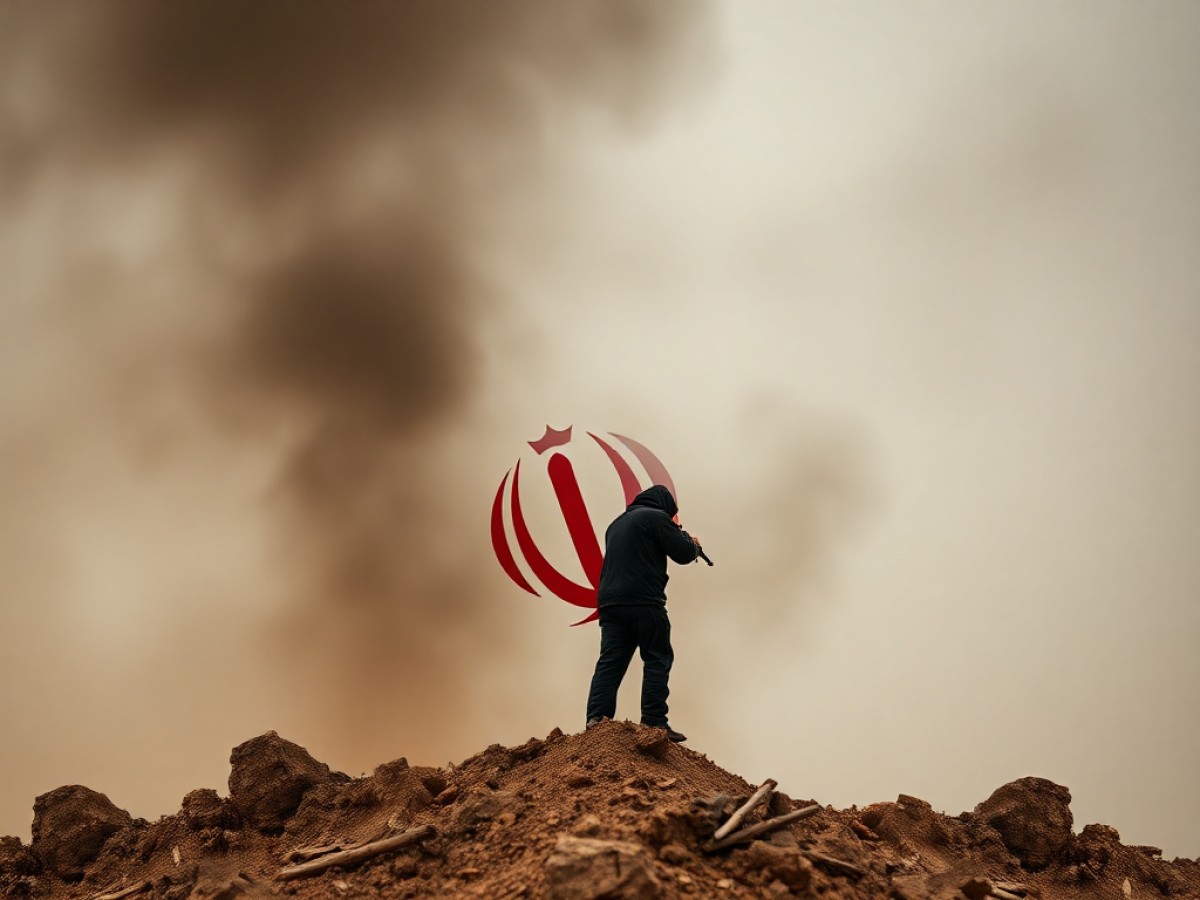
Despite a detailed proposal for a ceasefire from Pakistan, which included a 45-day truce and the reopening of the Strait of Hormuz, Iran has communicated its refusal to consider a temporary peace, opting instead for a comprehensive resolution to the ongoing conflict with the USA and Israel.
Details on Iran’s Response
Iran’s government has communicated a ten-point response to Pakistan, which has been acting as a mediator. These points emphasize an end to regional conflicts, protocols for safe passage through the Strait of Hormuz, lifting of sanctions, and a plan for reconstruction. This was reported by Iran’s state news agency, suggesting a firm stance on achieving a lasting peace rather than a temporary cessation of hostilities.
Strategic Importance of the Strait of Hormuz
The strategic waterway, the Strait of Hormuz, has been a focal point since the conflict’s inception in late February. Approximately a fifth of the world’s oil and liquefied gas passes through this narrow channel, which has been effectively closed by Iranian military forces.
Trump’s Non-Committal Stance
While the White House has acknowledged the proposal for a 45-day ceasefire, President Donald Trump has not endorsed it. His recent press conference was noted more for its extensive praise of the U.S. military and intelligence operations rather than any concrete discussion on the ceasefire. His rhetoric was marked by a distinct lack of presidential decorum, as noted by ARD-Washington correspondent Gudrun Engel.
A YouTuber bought a Bugatti on TEMU expecting luxury… but the unboxing went terribly wrong
Colonizing Mars is no longer a dream: Elon Musk unveils a historic deadline that will change everything
Iran’s Conditions for Peace
The head of Iran’s diplomatic mission in Cairo emphasized that Iran would not accept a simple ceasefire without guarantees against future attacks. Discussions are ongoing with Oman to develop a mechanism to manage the Strait of Hormuz, ensuring it remains open and safe for passage.
Proposal for a Two-Stage Peace Process
The proposal drafted under Pakistan’s leadership suggested an immediate 45-day ceasefire followed by a permanent agreement. The final agreement would require Iran to halt its nuclear weapons development in exchange for easing sanctions and releasing frozen assets.
Trump’s Dire Warnings and Ultimatums
President Trump has set a deadline for Iran to reopen the Strait of Hormuz, threatening to destroy vital infrastructure like power plants and bridges if Iran fails to comply. He dismissed concerns about potential war crimes related to attacks on civilian infrastructure, stating he had “absolutely no” thoughts on such matters.
Similar Posts
- Europeans Gear Up for Strategic Hormuz Mission: Ensuring Waterway Security
- USA Proposes Ceasefire Plan to Iran: A Bold Move for Peace
- Trump Extends Ceasefire with Iran: Key Details on the Unexpected Move
- Trump Announces Naval Blockade on Iran: A Bold New Strategy
- Trump Pushes for Dialogue: Iran Hesitant to Respond

Lowell Hagan closely follows international affairs. From geopolitical conflicts to economic cooperation, he provides context to help readers better understand global dynamics. His clear, structured style gives meaning to global news.