The Sea-Watch 5 Incident: A Close Call at Sea
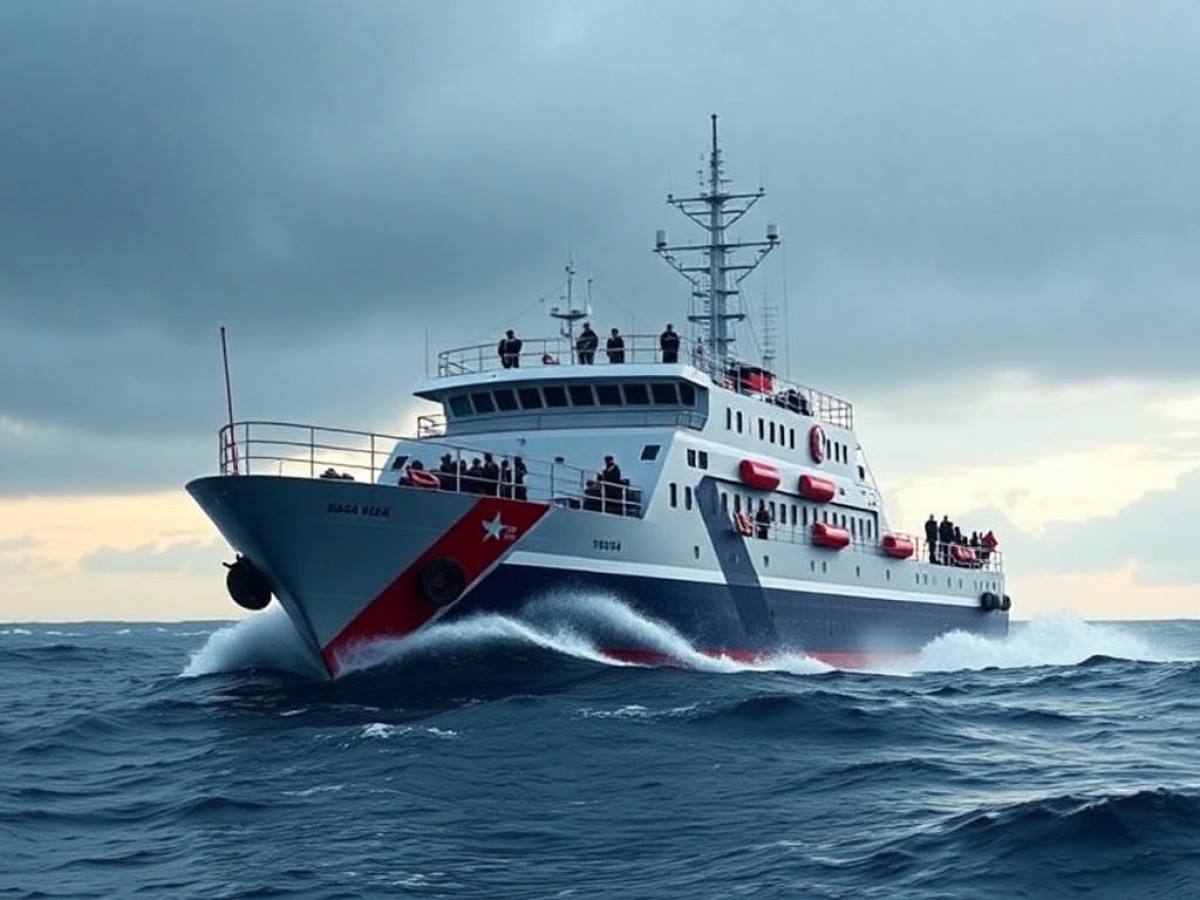
In a startling event that highlights the ongoing perils faced by humanitarian vessels, the German rescue ship Sea-Watch 5 reported being under fire by the Libyan coast guard. The vessel, which was carrying rescued individuals from perilous waters near the Libyan coast, was forced into a distressing situation that could have escalated into a severe international incident.
Work revolution: Google reveals 90% of professionals are already using AI daily – are you one of them?
Gigantic 400-meter structures discovered beneath Antarctic ice spark heated debate among scientists worldwide
Details of the Harrowing Encounter
It was a tense moment on the Mediterranean when the Sea-Watch 5, operating under the German NGO Sea-Watch, found itself in a precarious situation. According to the organization, a Libyan coast guard patrol boat approached the rescue ship and opened fire with live ammunition. The intent, it seemed, was to force the vessel back to Libyan shores—a move that the crew deemed akin to kidnapping under international law.
Julia Winkler, a spokesperson for Sea-Watch, narrated the ordeal, detailing how the patrol boat initially fired a single shot followed by a volley of 10 to 15 rounds. At the time, the Sea-Watch 5 was not only carrying its crew but also 90 individuals who had just been rescued from distress at sea.
Immediate Aftermath and International Response
Following the attack, the crew of Sea-Watch 5 swiftly contacted the relevant authorities, including the German Federal Police, signaling an SOS. The situation’s gravity was recognized internationally, prompting the German Embassy in Tripoli to demand an immediate explanation from Libyan authorities. Meanwhile, investigations were launched by the German Federal Police to delve deeper into the incident.
Compounding Challenges: Denied Port Access
After navigating away from the immediate danger, the Sea-Watch 5 continued its mission, rescuing more individuals near Malta. However, the crew faced another challenge when Italian authorities directed the vessel to proceed to the port of Brindisi—nearly 1,000 kilometers away—instead of allowing them to dock at the nearest port. This directive has been criticized by Sea-Watch and other NGOs who argue that such decisions hinder the effectiveness and safety of rescue operations.
A Perilous Passage: The Central Mediterranean Route
The central Mediterranean route remains one of the world’s most dangerous migration paths. Many attempt the treacherous crossing in inadequately equipped boats, driven by the hope of reaching European shores. Despite the high risks involved, and the absence of a government-led rescue mission, NGOs like Sea-Watch continue to patrol these waters to provide assistance to those in distress.
According to the International Organization for Migration (IOM), the start of the year saw a troubling spike in deaths and disappearances, with over 1,000 reported incidents—a number not seen since 2014. The cumulative figures since then paint a grim picture of the human cost of migration, with over 34,800 lives lost since 2014.
This latest incident with the Sea-Watch 5 serves as a stark reminder of the ongoing humanitarian crisis in the Mediterranean and the complex geopolitical challenges that rescue missions face. As the situation evolves, the international community watches closely, hoping for resolutions that prioritize human lives and safety at sea.
Similar Posts
- Libyan Coast Guard Accused of Attacking Rescue Ship: Details Inside
- At Least 50 Dead Off Libya’s Coast: Tragic Maritime Disaster Unfolds
- Over 50 Dead and Missing in Catastrophic Boat Tragedy
- Deadly Gunfight Off Cuba’s Coast: Tensions Escalate in Caribbean Waters
- Chris Smalls Exposes Israeli Military Brutality: Claims Racist, Violent Encounter
A YouTuber bought a Bugatti on TEMU expecting luxury… but the unboxing went terribly wrong
Colonizing Mars is no longer a dream: Elon Musk unveils a historic deadline that will change everything

Lowell Hagan closely follows international affairs. From geopolitical conflicts to economic cooperation, he provides context to help readers better understand global dynamics. His clear, structured style gives meaning to global news.