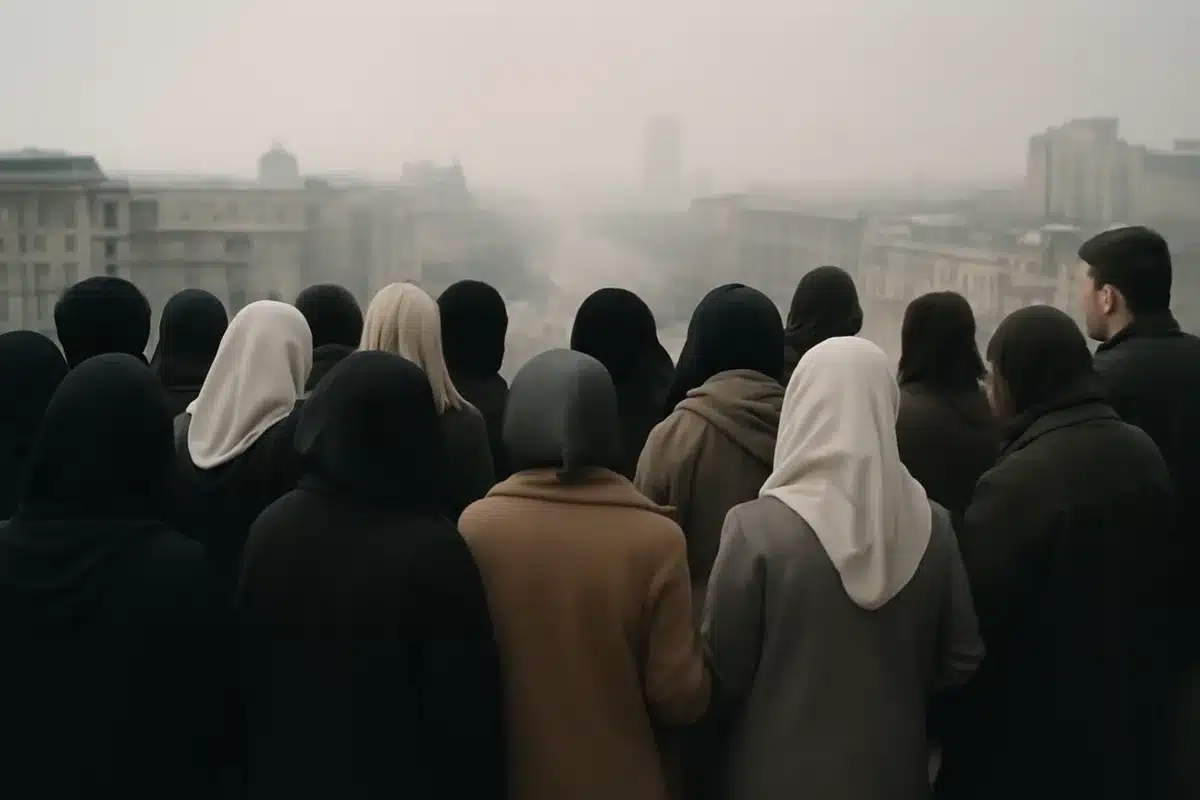
The death of Jina Mahsa Amini on September 16, 2022, following her arrest by Iran’s morality police, sparked a nationwide outcry encapsulated by the slogan “Woman, Life, Freedom”. This movement, ignited by accusations of Amini facing physical abuse leading to her death, has seen waves of protests against Iran’s strict societal norms and political repression.
Colonizing Mars is no longer a dream: Elon Musk unveils a historic deadline that will change everything
Gigantic 400-meter structures discovered beneath Antarctic ice spark heated debate among scientists worldwide
The Ripple Effect of Persistent Protests
These protests, initially focused on the mandatory hijab, rapidly transformed into broader anti-government demonstrations. Despite severe crackdowns, the public’s dissent has led to subtle changes, particularly in urban areas where many women now bravely forgo the hijab. However, the threat of arrest by the morality police still looms large, keeping the gains precarious and reversible at any moment.
Amnesty International has shed light on the brutal suppression tactics used by the regime during these protests. Their detailed report uncovers directives to security forces to act “mercilessly”, resulting in crimes against humanity including murder, torture, and sexual violence. Notably, the report identifies 87 officials who should be held accountable, highlighting that many still hold significant positions of power.
Renewed Protests Amid Economic and Political Crises
By the end of 2025, a new wave of protests erupted, initially due to an economic crisis and the devaluation of the Iranian currency. These protests quickly became another stark expression of dissatisfaction with the regime. Amnesty International noted that the crackdown mirrored the ferocity of 2022 but on an even larger scale, with thousands of protesters and bystanders reportedly killed.
Escalation and International Conflict
The onset of 2026 brought new challenges as Iran found itself in conflict with the United States and Israel. The war has not only exacerbated economic troubles and internal repression but also led to increased arrests of protesters, journalists, and human rights activists under the guise of combatting espionage.
The Fragility of Freedom
A YouTuber bought a Bugatti on TEMU expecting luxury… but the unboxing went terribly wrong
Colonizing Mars is no longer a dream: Elon Musk unveils a historic deadline that will change everything
Despite the ongoing struggle, the spirit of “Woman, Life, Freedom” endures, with women like Tara, who has not worn a hijab since the protests, symbolizing a fight for autonomy. Yet, this freedom is fragile, overshadowed by the constant presence of the morality police and the overarching power of a regime resistant to change.
As the political landscape remains oppressive and the economic situation dire, the initial hope of the protesters has largely turned to disillusionment. Many wonder how much longer they can endure as each new day brings its own set of challenges. Tara reflects a sentiment of cautious optimism mingled with despair, believing that the current system’s days are numbered, yet living under its shadow is an ongoing reality.
Similar Posts
- Iran’s Security Council Halts Headscarf Law: A Bold Move Amidst Societal Tensions
- We Refuse to Praise a Murderous Leader: Citizens Stand Firm
- Unveiling the Mystery: Who is Ayatollah Ali Khamenei?
- Anything is Possible: Unveiling Infinite Opportunities
- Violence Flares Up Again in Serbia: Citizens Protest Against Government Policies

Lowell Hagan closely follows international affairs. From geopolitical conflicts to economic cooperation, he provides context to help readers better understand global dynamics. His clear, structured style gives meaning to global news.