Selenium: the overlooked nutrient for stronger winter defenses
As temperatures drop and cold-and-flu season approaches, most people think of vitamin C and zinc. Yet selenium — a trace mineral present in tiny amounts in the body — plays a vital, often forgotten role in maintaining immune health. Acting as a cellular antioxidant and cofactor for important enzymes, selenium helps limit damage caused by infections and keeps immune cells functioning properly.
Colonizing Mars is no longer a dream: Elon Musk unveils a historic deadline that will change everything
Gigantic 400-meter structures discovered beneath Antarctic ice spark heated debate among scientists worldwide
How selenium supports the immune system
Selenium is required for the production or activation of more than two dozen enzymes, including glutathione peroxidase, a major antioxidant that protects cells from oxidative stress. During an infection, white blood cells generate free radicals to kill pathogens; selenium-dependent enzymes help neutralize excess reactive species so tissues aren’t harmed and the immune response remains balanced. Without adequate selenium, immune cells are less efficient at handling oxidative challenges, which can weaken overall resistance.

What the evidence says about infections and recovery
Clinical research links adequate selenium status with better outcomes in viral respiratory infections. A meta-analysis in The American Journal of Clinical Nutrition found that people with optimal selenium levels mounted stronger immune responses to respiratory viruses. Other studies indicate that selenium deficiency may promote viral mutation and slow recovery times. In short, lacking this mineral can make the body more vulnerable to pathogens and impede convalescence.
Recommended intake and who may be short
Health authorities such as ANSES recommend roughly 55 micrograms of selenium per day for adults. However, soils across much of Europe are low in selenium, which leads to lower amounts in locally grown food and leaves some populations with suboptimal intakes. Insufficient selenium can contribute to weakened defenses and increased fatigue.
Food sources and safe use
A varied diet generally provides enough selenium for most people. Good dietary sources include:
– Fatty fish (tuna, sardines, salmon)
– Shellfish and other seafood (oysters, mussels, shrimp)
– Eggs, whole grains and seeds
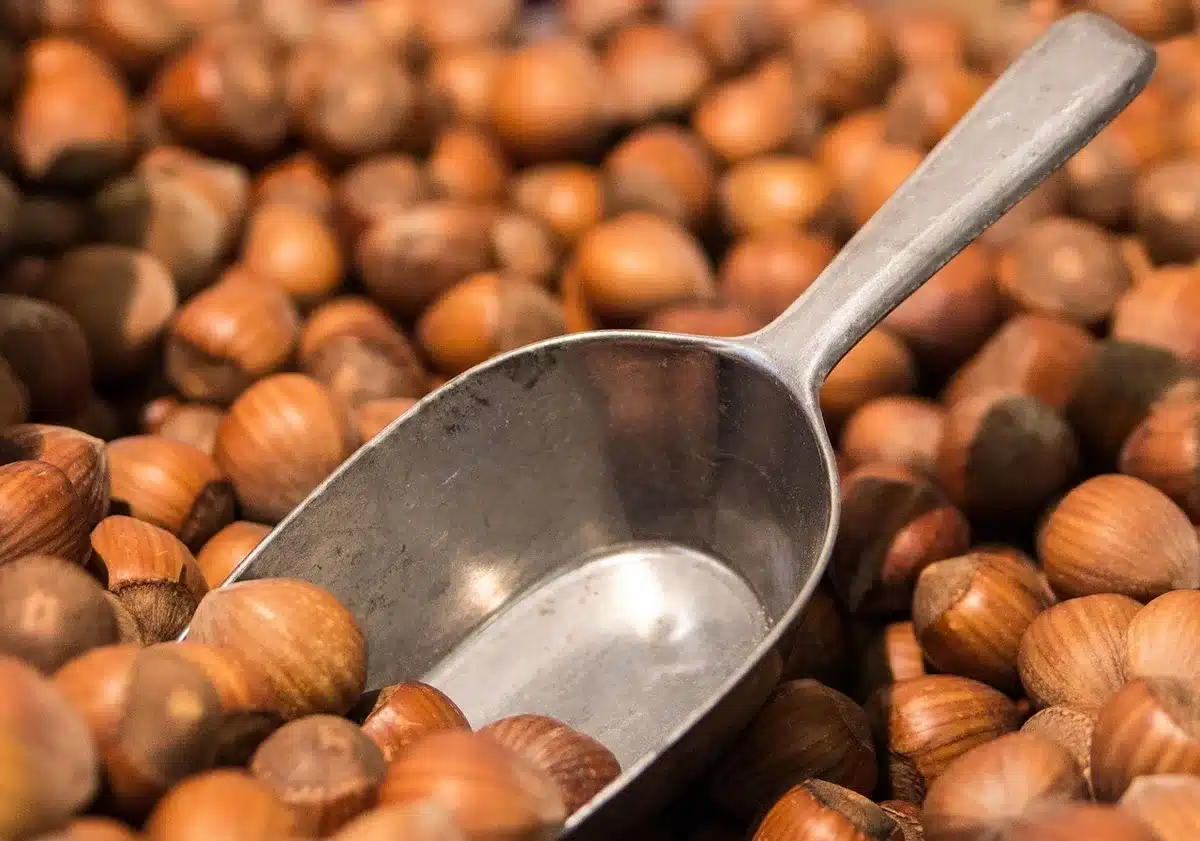
– Brazil nuts — exceptionally rich in selenium (a single nut may supply the day’s recommended amount)
While it’s tempting to reach for supplements, excessive selenium can be toxic. Aim for dietary variety rather than high-dose supplementation unless a clinician prescribes it based on measured deficiency.
Working together: selenium, vitamin C and zinc
Selenium’s antioxidant role complements the actions of other immune-supporting nutrients. Zinc is essential for antibody production and many aspects of cellular immunity, while vitamin C helps stimulate white blood cells and antioxidant defenses. Taken together through a balanced diet rich in fruits, vegetables and healthy fats, these nutrients form a practical strategy to help maintain energy, immune function and resilience during the winter months.
Similar Posts
- Boost Your Immunity: Surprising Nutrient Outperforms Zinc and Vitamin C, Says Nutritionist!
- Boost Your Winter Immunity: This Key Nutrient Outperforms Vitamin C!
- 5 Natural Flu-Fighting Tips: Stay Healthy This Winter!
- Boost Your Health Now: Discover 5 Miracle Oils to Prevent Illness!
- Fever Relief Fast: Try These 3 Grandma’s Quick Tricks!

Doyle Renner writes about public health, medical advances, and everyday wellness. He brings complex topics to life to help readers take informed care of their health.