Why many women worry about “orange-peel” skin
Cellulite — the dimpled, padded texture that appears most often on thighs, buttocks, hips and sometimes the inner knees — is a normal, very common phenomenon. It affects roughly nine out of ten women and results from localized fat pushing against connective tissue beneath the skin, often combined with fluid retention and microcirculatory changes. Although natural, it can cause self-consciousness, which is why people try everything from firming creams and targeted massages to professional aesthetic procedures.
Colonizing Mars is no longer a dream: Elon Musk unveils a historic deadline that will change everything
Gigantic 400-meter structures discovered beneath Antarctic ice spark heated debate among scientists worldwide
Can essential oils help?
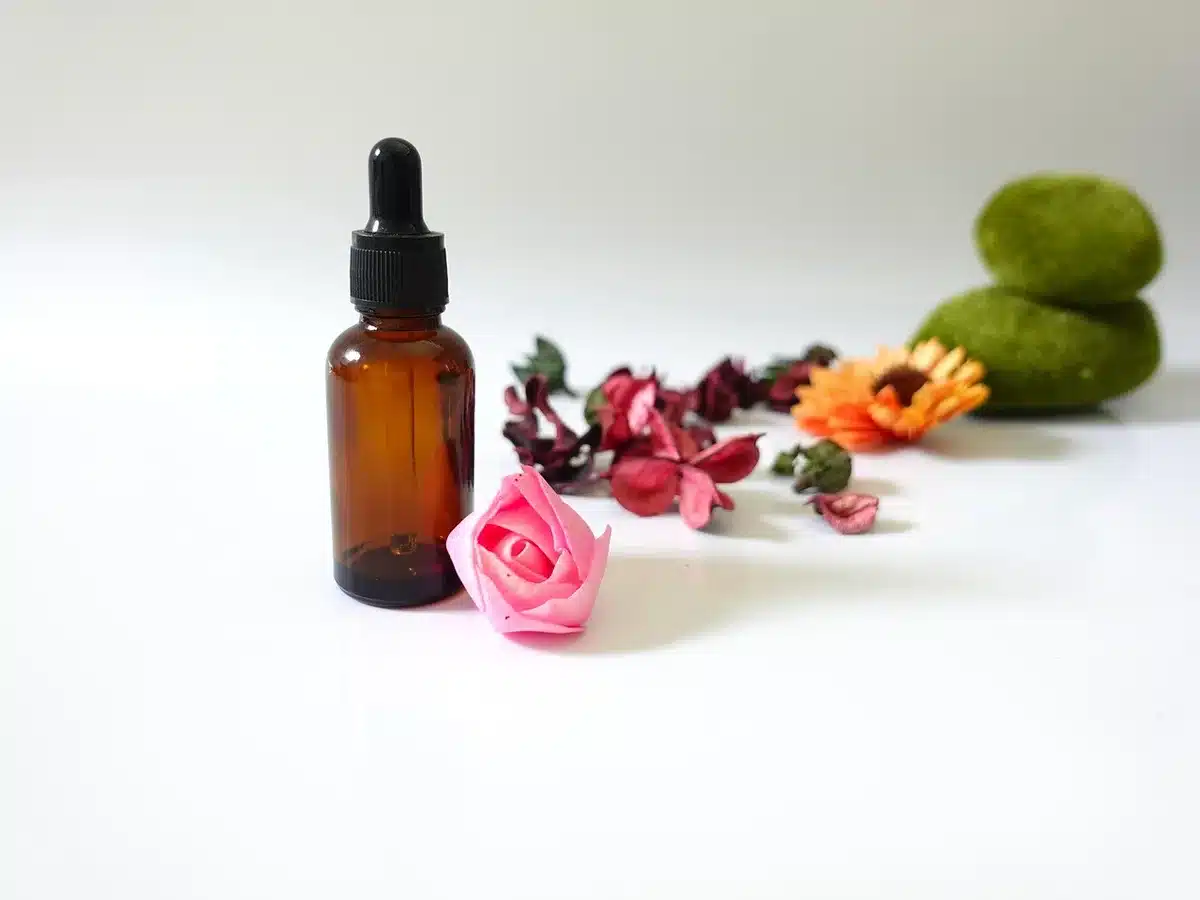
Alongside manual techniques and topical products, certain essential oils are frequently used as part of home protocols to reduce the appearance of cellulite. They are chosen for properties such as promoting circulation, supporting drainage of excess fluid, reducing inflammation, and aiding the body’s natural detox processes. While many users report beneficial effects, essential oils are potent concentrates and need to be handled with care.
Safety first: how to use essential oils responsibly
Before applying any essential oil to the skin, learn about its specific contraindications and safe dilution rates. General precautions include diluting essential oils in a carrier oil (like sweet almond, jojoba or coconut), doing a patch test to check for irritation, avoiding certain oils during pregnancy or breastfeeding, and consulting a healthcare professional if you have medical conditions or take medications. Never assume “natural” means risk-free.

Lemon essential oil — a draining, detoxifying ally
Lemon oil is prized for its detox-supporting qualities and is often used when the goal is to encourage bodily drainage and a slimmer appearance. It contains a high level of limonene, a compound associated with helping to reduce circulating fats, which can support the breakdown and removal of stored lipids. When incorporated into a massage blend, lemon oil can contribute to a fresher, lighter feeling in the legs.

Sweet fennel essential oil — useful for hormone-related water retention
Sweet fennel is commonly recommended when cellulite is aggravated by hormonal fluid retention. Its detoxifying action may assist the body in clearing accumulated wastes and excess water, which in turn can reduce the apparent volume of fatty deposits. Fennel blends are often used in gentle draining massages aimed at areas where fluid pools.
Atlas cedarwood essential oil — for circulation and firming
Atlas cedarwood is valued for its capacity to stimulate local circulation and to combat vascular congestion. By improving blood flow and supporting the microcirculation of the treated area, it can help minimize the trapped fat cells that contribute to the orange-peel texture. Practitioners also use cedarwood for its toning effect on tissues.
Lemongrass essential oil — anti-inflammatory and draining
Lemongrass has well-known anti-inflammatory qualities. It can enhance blood circulation and assist the body in moving out water held within adipose cells located in the hypodermis (the deepest skin layer). Because inflammation and poor circulation are part of the cellulite process, lemongrass is frequently included in blends aimed at smoothing the skin’s surface.
Juniper essential oil — diuretic and detoxifying
Juniper is a powerful natural diuretic with cleansing and anti-inflammatory properties. Since inflammation can block healthy blood flow and worsen the appearance of cellulite, using juniper in a diluted topical formula may help reduce swelling and encourage drainage, supporting smoother skin contours.
How to incorporate these oils into a routine
Common approaches include creating diluted blends for targeted massage, adding a few drops to a carrier oil for daily application, or using oils as part of a post-shower ritual when skin is warm and circulation is increased. Combining oils that drain, reduce inflammation and stimulate circulation often gives the best results. Remember: keep concentrations conservative (typically 1–3% for skin application unless guided otherwise by a trained aromatherapist) and stop use if irritation occurs.
A YouTuber bought a Bugatti on TEMU expecting luxury… but the unboxing went terribly wrong
Colonizing Mars is no longer a dream: Elon Musk unveils a historic deadline that will change everything
Similar Posts
- 5 Essential Oils to Banish Cellulite: Unlock Smooth, Firm Skin!
- 5 Essential Oils to Banish Cellulite: Discover Their Surprising Benefits!
- Migraine Relief Fast: Discover 4 Essential Oils That Work!
- Boost Your Health Now: Discover 5 Miracle Oils to Prevent Illness!
- Migraine Relief Fast: Discover 4 Essential Oils That Work!

Doyle Renner writes about public health, medical advances, and everyday wellness. He brings complex topics to life to help readers take informed care of their health.