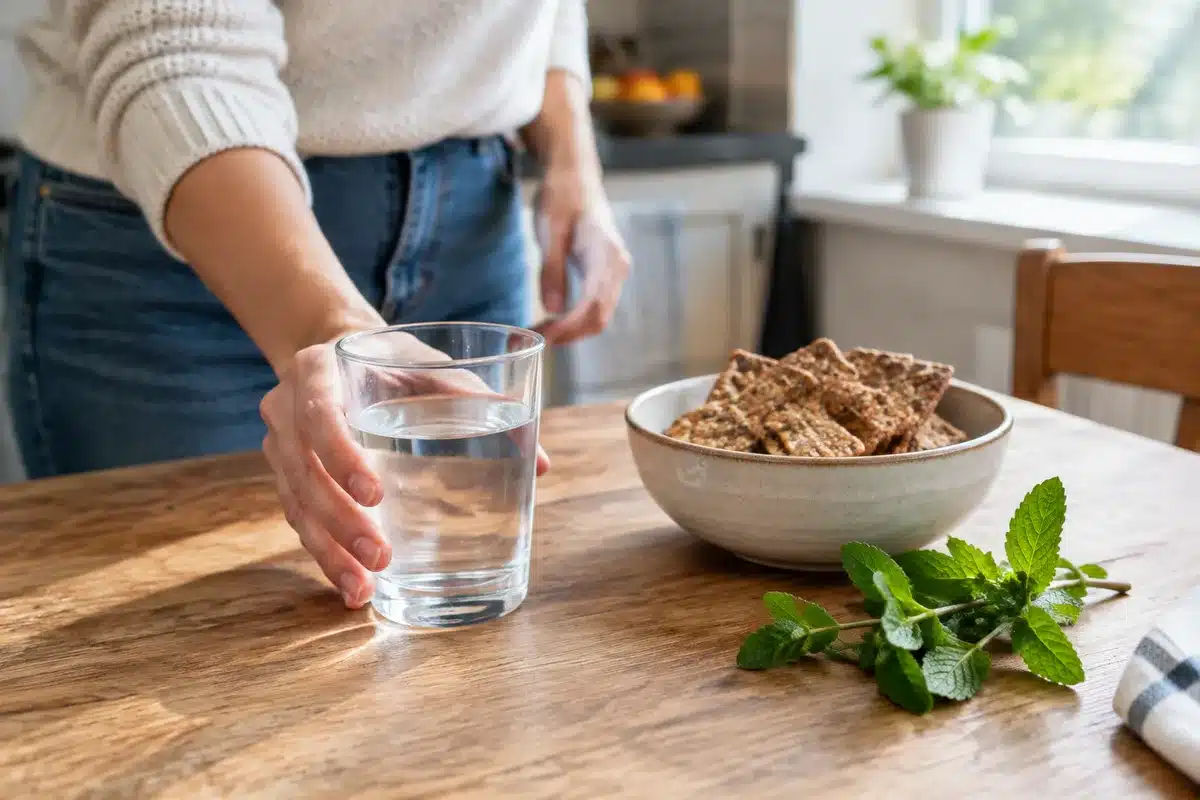
Waking up with a flat stomach and ending the day feeling squeezed into your clothes is a recurring, draining problem for many women. It’s tempting to blame obvious culprits like dairy, gluten or legumes, but more often the cause lies in small, everyday habits that gradually throw digestion off balance. Below are seven common routines that frequently lead to bloating — and practical tweaks to help.
Colonizing Mars is no longer a dream: Elon Musk unveils a historic deadline that will change everything
Gigantic 400-meter structures discovered beneath Antarctic ice spark heated debate among scientists worldwide
Start here: why small habits matter
Many of the actions we repeat daily interfere with the mechanical and chemical processes of digestion: how much air you swallow, how well stomach acid and enzymes work, and whether food moves smoothly through the gut. Changing a few of these automatic behaviors can make a big difference in how you feel by evening.
Cold drinks in the middle of a meal
Gulping large amounts of ice-cold water while eating may feel refreshing, but it can temporarily shut down the stomach’s digestive activity. Very cold liquids reduce the effectiveness of gastric juices and slow stomach contractions, which means proteins and other foods are not broken down properly. Undigested material then moves down the intestine where it ferments, producing gas and discomfort.
Practical swap: sip small amounts of room-temperature or mildly warm water during meals, and save larger or icy drinks for between courses.

Chewing sugar-free gum or sucking on artificial mints
Mastication when there’s nothing to swallow causes repeated air intake — a simple route to trapped gas. Additionally, many sugar-free gums and candies use sugar alcohols (xylitol, sorbitol, maltitol) that are poorly absorbed in the small intestine. These molecules travel to the colon and feed gas-producing bacteria, often triggering significant bloating.
Practical swap: if you need fresh breath, choose mint leaves or rinse with water; limit sugar-free gums and opt for occasional use rather than constant chewing.
Relying on puffed rice cakes as a “light” snack
Puffed rice cakes have a reputation for being a diet-friendly option, but industrial puffing and extrusion change the structure of rice starch, giving it a very high glycemic index and making it highly porous. That rapid breakdown can draw water into the gut and be tough on a sensitive colon, often leading to post-snack abdominal swelling.
Practical swap: pick snacks with more fiber and intact structure — whole-grain crackers, a piece of fruit, or a handful of nuts — which digest more steadily and are less likely to cause sudden bloating.
Eating while working or watching screens
When you eat while distracted — answering emails, scrolling social media, or watching TV — your nervous system stays in “fight or flight” mode. Blood flow is directed away from the digestive organs toward muscles and the brain, and digestive motility slows. The result: slower gastric emptying and a sense of fullness or distension later in the day.
A YouTuber bought a Bugatti on TEMU expecting luxury… but the unboxing went terribly wrong
Colonizing Mars is no longer a dream: Elon Musk unveils a historic deadline that will change everything
Practical swap: give yourself at least 15–20 minutes of screen-free, focused eating. Chew slowly and pay attention to hunger and fullness cues.

Using straws for most beverages
Sipping through a straw is an easy way to introduce excess air into the digestive tract. Every repeated suction draws in tiny amounts of air that end up in the stomach and intestines. Over the course of a day, that trapped air adds up and creates uncomfortable pressure.
Practical swap: drink directly from a glass or mug whenever possible, and reserve straws for occasional convenience rather than an all-day habit.
Switching straight to flavored plant milks as sugar replacements
Replacing cow’s milk with plant-based alternatives is a valid choice for many, but commercially flavored varieties often contain texturizing agents — guar gum, xanthan gum, carrageenan — to mimic creaminess. These additives can irritate the intestinal lining in sensitive individuals and trigger spasms or bloating.
Practical swap: choose unsweetened, additive-free plant milks when possible, or make simple versions at home. Read ingredient lists and favor products with minimal thickeners.
Wearing tight clothes or cinched belts from morning to night
This is a straightforward mechanical issue: tight waistbands, stiff jeans, and compressive garments press on the abdomen and small intestine throughout the day. Continuous pressure impairs local circulation, restricts normal movement of gas and stool, and can provoke cramping. Often the worst bloating appears once the pressure is released in the evening.
Practical swap: opt for looser, more flexible clothing during long periods of sitting. If you need structured garments for a short time, remove or loosen them when you can.
From the clinic: tips from Léa Zubiria
Léa Zubiria, dietitian-nutritionist, reports that simple behavioral adjustments resolve about 80% of bloating cases she sees. Her practical advice: make mealtimes a true break — no screens — and allow about twenty minutes to eat mindfully. Drink liquids in small sips from a glass at room temperature rather than large icy gulps, and wear comfortable clothes that don’t compress your abdomen. Your gut isn’t being difficult on purpose; it’s responding to the physical and chemical stresses you place on it during the day.
Similar Posts
- 7 Surprising Habits That Cause Bloating: Are You Guilty of These?
- Flat Stomach in the Morning, Bloated by Evening: Why Do Many Women Experience This?
- 3 Belly-Deflating Plants I Take Every Night: Discover Their Surprising Benefits!
- Why Do Some Women Experience Bloating Every Night? Uncover the Surprising Reasons!
- “Healthy” Fizzy Drinks Exposed: Why They May Not Be Good for You

Doyle Renner writes about public health, medical advances, and everyday wellness. He brings complex topics to life to help readers take informed care of their health.