
Blinding flash at the terminal
A chilling clip recorded by a surveillance camera shows Muslim pilgrims queuing inside Riyadh’s international airport when a sudden blast fills the frame with searing light. Smoke quickly overwhelms the scene; people fall to the ground and, just as the chaos unfolds, the footage cuts out. Saudi authorities say the strikes on the capital’s airport have killed 18 people and wounded more than 300 since early October, although observers caution the real toll could be higher — and the Huthi militia repeatedly claims responsibility and publicizes the attacks.
Colonizing Mars is no longer a dream: Elon Musk unveils a historic deadline that will change everything
Gigantic 400-meter structures discovered beneath Antarctic ice spark heated debate among scientists worldwide
What this means for Saudi Arabia’s future plans
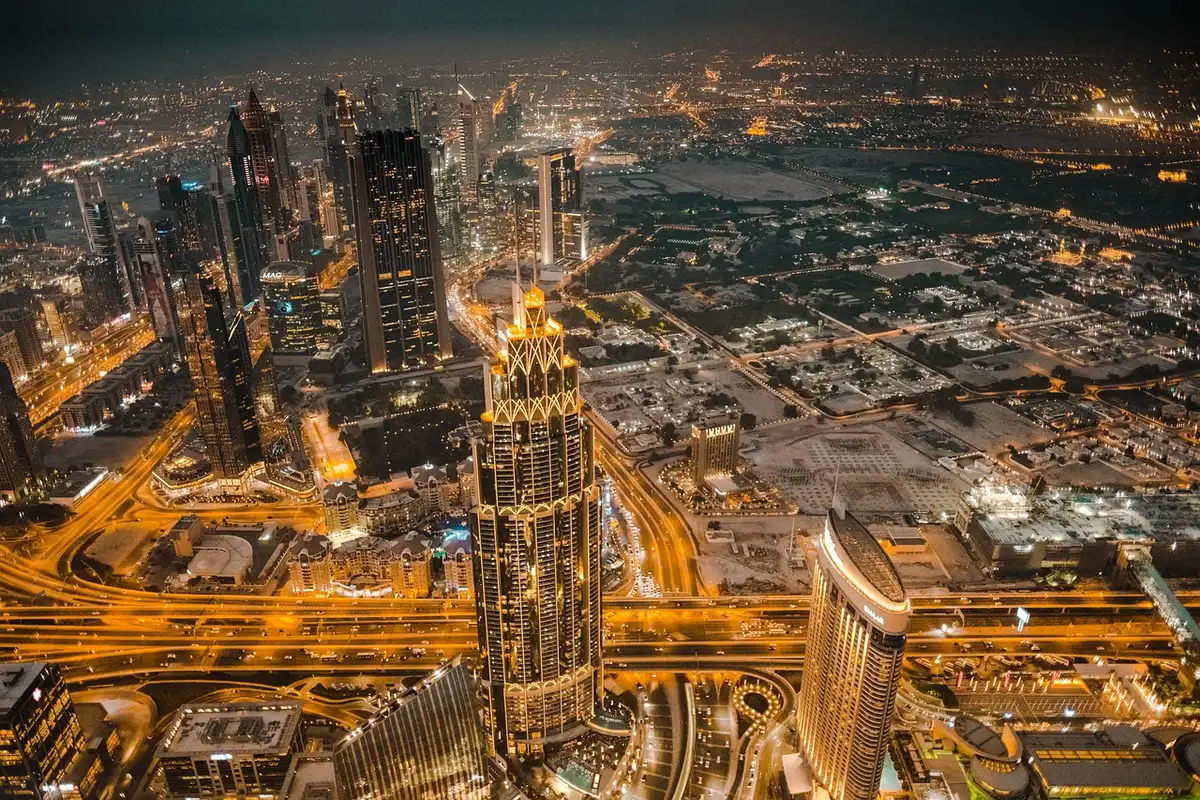
Crown Prince Mohammed bin Salman’s long-promoted “Vision 2030” — a program aimed at opening the kingdom to tourists and investors, hosting major global events and transforming Saudi cities into safe, modern hubs — is under direct threat. Attacks aimed at airports and oil infrastructure undermine the image of stability that bin Salman needs to lure visitors, multinational businesses and capital. Analysts say the strikes hit two of his most important goals: protecting oil exports and turning Saudi cities into international connections.
How recent strikes disrupted a global energy forum
The timing has been especially damaging. The day after one of the most destructive airport attacks, Riyadh hosted the World Oil Congress. Germany’s economics minister Katherina Reiche attended as planned, but senior executives from energy giants — including Exxon, Shell, Total and BP — withdrew at short notice. Riyadh briefly advised some guests to enter the country via Dammam; days later the Huthi also launched strikes against that airport.

The conflict’s long arc and the human price
The Huthi insurgency dates back to 2004 and evolved into a wider war after Saudi Arabia intervened militarily in Yemen in 2015. Years of fighting have taken an enormous toll: hundreds of thousands of people killed, millions displaced and almost half of Yemen’s population still facing food insecurity. Despite intense air campaigns and a protracted naval blockade, the Huthi retained control over large portions of Yemen, including Sanaa — a testament to how military pressure failed to eliminate them.
From lull to renewed escalation
There had been a relative de-escalation from around 2022, driven in part by exhaustion on all sides. That respite ended this year: in July, Saudi strikes hit Sanaa’s airport while a Huthi delegation was returning from Iran, one of their closest international backers. Since then, the Huthi have adopted a strategy they describe as “airport by airport, escalation by escalation,” striking targets inside Saudi Arabia in retaliation.
Huthi gains and strategic targets
On the ground in Yemen, the Huthi have expanded their reach, extending influence along the country’s west coast and contesting control of the Bab al-Mandab strait — a vital chokepoint for global trade and shipments of oil. Their campaign has deliberately sought to sow fear in Saudi Arabia, striking at the economic pillars of the kingdom: oil production and transport hubs.
Political and military responses
Riyadh has reacted with stepped-up air strikes against Huthi-held areas, including Sanaa, and has reportedly reinforced security around the crown prince. Media reports say Mohammed bin Salman has spent periods in palaces with bunker facilities and has repeatedly changed locations with a security detail in the aftermath of major strikes. Still, experts argue that outright military defeat of the militia is unlikely and that Saudi Arabia will need diplomatic partners to manage the confrontation more effectively.
Allies, pacts and outside influence
In recent months Saudi Arabia has rallied partners. In August the kingdom, together with Turkey and Pakistan, announced a Mecca Defense Pact pledging support against Huthi attacks; Egypt and the United Kingdom have also offered assistance. Yet Tehran remains the group’s most direct external influence. Iran is itself embroiled in conflicts with the United States and Israel, and analysts suggest it may have incentives to allow or even encourage tensions on the Arabian Peninsula to strengthen its negotiating position elsewhere.
Why analysts see this as a worst-case scenario for bin Salman
Sebastian Sons of CARPO (Center for Applied Research in Partnership with the Orient) describes the situation as the crown prince’s “worst-case scenario.” His reformist image and appeal to young Saudis — presenting himself as a modernization manager promising new opportunities — depend on delivering security and prosperity. The Huthi assaults threaten both the kingdom’s economic model and the political legitimacy that Vision 2030 is meant to cement.
A YouTuber bought a Bugatti on TEMU expecting luxury… but the unboxing went terribly wrong
Colonizing Mars is no longer a dream: Elon Musk unveils a historic deadline that will change everything
Information battles and casualty reporting
There are competing narratives around the strikes. The Saudi government has reasons to limit public disclosure of the full damage and human cost, while the Huthi openly claim and amplify their operations. This information tug-of-war complicates independent verification and public understanding of the true scale of casualties and disruption.
Ongoing stakes
Beyond immediate human suffering, the attacks affect global energy markets, international investment plans and regional diplomacy. By targeting oil facilities and airports, the Huthi aim to strike at both the kingdom’s economic lifelines and its ambition to become a major international node — moves that reverberate far beyond the Arabian Peninsula.
Similar Posts
- The world’s largest airport is getting ready… and could redefine the way we travel
- Saudi Arabia airport attack: Fatalities reported
- Trump Plans to Sell Fighter Jets to Saudi Arabia: Deal Could Reshape Middle East Power Dynamics
- Trump Backs MBS Amidst Khashoggi Murder Controversy: What You Need to Know
- As Conflict Escalates, the Threat of a Hunger Crisis Looms Large

Lowell Hagan closely follows international affairs. From geopolitical conflicts to economic cooperation, he provides context to help readers better understand global dynamics. His clear, structured style gives meaning to global news.