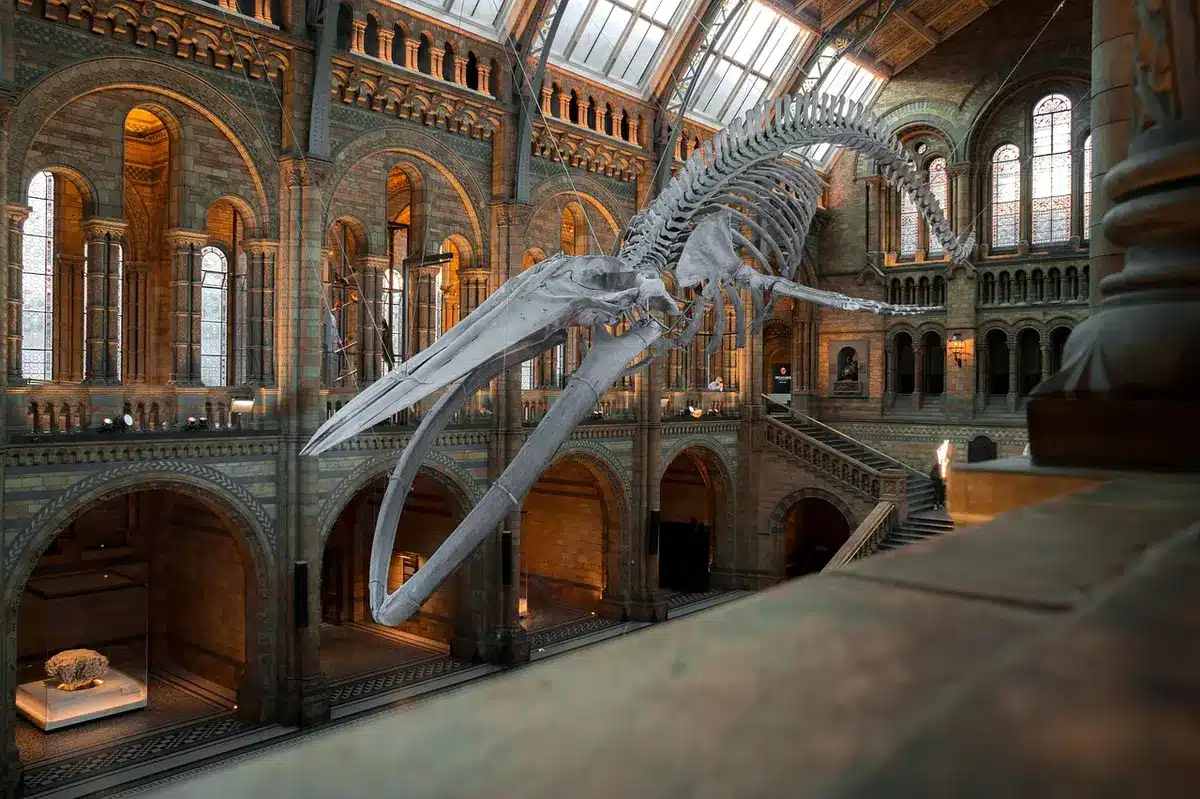
A meeting of the International Whaling Commission (IWC) in Hobart produced mixed results: delegates failed to approve an enormous protected area in the South Atlantic, but they did agree on a series of non-binding measures aimed at reducing human threats to whales and improving data collection.
Colonizing Mars is no longer a dream: Elon Musk unveils a historic deadline that will change everything
Gigantic 400-meter structures discovered beneath Antarctic ice spark heated debate among scientists worldwide
Ambitious sanctuary proposal rejected by a narrow margin
Delegates debated a proposed marine protected area in the South Atlantic that would have covered an expanse larger than twice the land area of the United States. The plan fell short of the required three‑quarters majority, missing that threshold by just four votes. Franziska Saalmann, a marine biologist with Greenpeace who attended the talks in Hobart, described the outcome as deeply disappointing.
Observers point to active lobbying against the reserve. Saalmann said many Caribbean and African states sided with pro‑whaling interests, a position she links to financial support flowing from Japan.
Measures to reduce ship strikes and reroute traffic
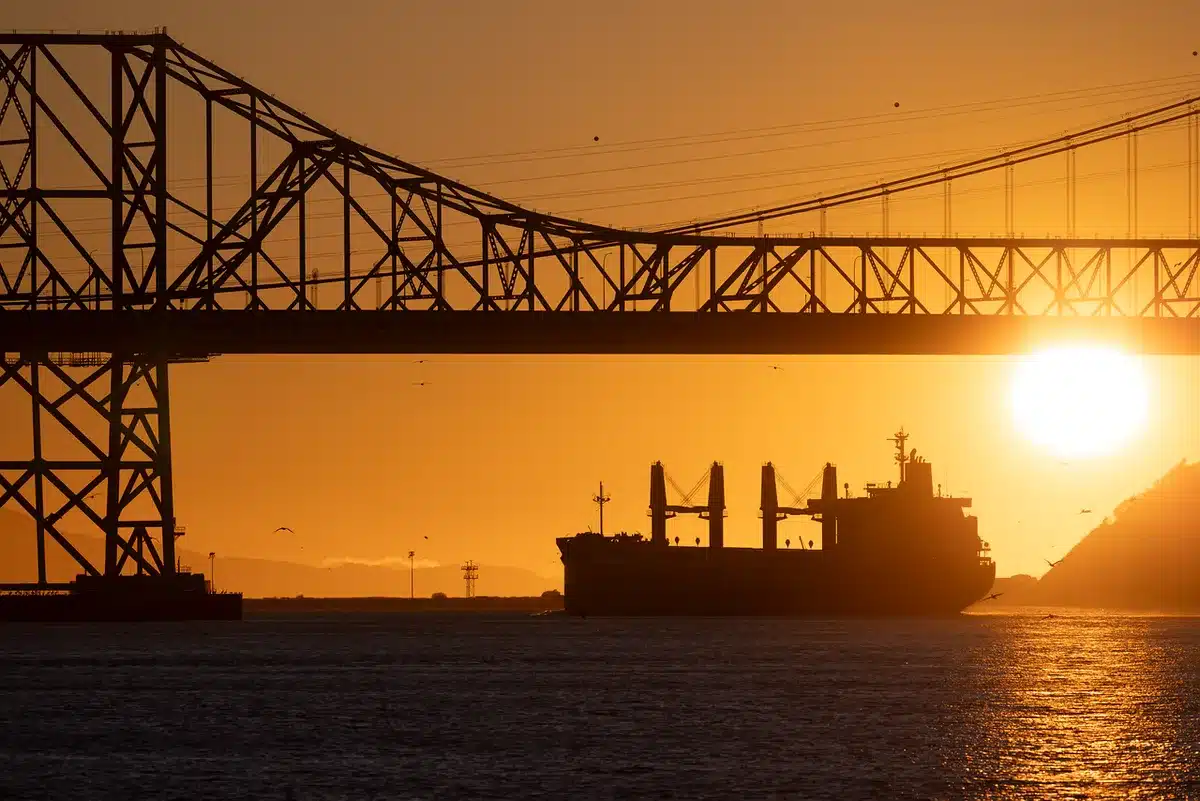
Although the large sanctuary did not pass, delegates adopted a resolution focused on preventing collisions between vessels and whales — a major cause of mortality for large whale species. The text urges shipping authorities to alter routes to avoid known whale hotspots, such as important feeding and breeding areas, and recommends speed reductions in sensitive zones to lower the risk of deadly strikes.
“Simply slowing down ships in the right places can cut the number of collisions,” Saalmann said, summarizing the practical intent behind the resolution.
Tackling bycatch and the swim bladder trade
Another resolution aims to decrease the incidental capture of small whales and dolphins in fishing gear. Bycatch often occurs when fishers target swim bladders, a buoyancy organ that in parts of Asia is prized for use in traditional medicine and can fetch very high prices. Mona Schweizer, a biologist with the conservation group ProWildlife, warned that the financial incentives are substantial — in some cases the market value per kilogram rivals that of precious metals — and drive harmful fishing practices.
The adopted text seeks stronger measures to prevent these animals from becoming entangled in nets and to curb the commercial drivers behind targeted and incidental catches.
International data sharing on strandings
Delegates also reached consensus on improving the exchange of information about whale strandings: when and where they occur, and the circumstances in which animals are found. The goal is to build a clearer picture of causes and trends so that strandings can be better understood and, where possible, prevented in the future.
Politics and contested language
The conference underscored the complex geopolitics surrounding whaling. Japan formally withdrew from the IWC in 2019 and, along with Norway and Iceland, continues commercial whaling despite the global moratorium on the practice. Those countries defend limited hunts on grounds that some populations are robust enough to sustain regulated take and that whale meat is part of national culinary traditions.
A YouTuber bought a Bugatti on TEMU expecting luxury… but the unboxing went terribly wrong
Colonizing Mars is no longer a dream: Elon Musk unveils a historic deadline that will change everything
Negotiations were sometimes fraught. According to ProWildlife’s Mona Schweizer, discussions with the United States were difficult and required removing references to topics such as climate change and greenhouse gases from at least one draft resolution in order to secure US support.
In a surprising move earlier in the week, Switzerland withdrew its own proposal to protect dolphins and small whales before a working group could consider amendments. That draft had sought stronger safeguards for these species; its removal came as a shock to some delegates and campaigners. Activists point out that more than 100,000 dolphins and small whales are killed each year in targeted hunts, and note that the IWC’s moratorium on commercial whaling covers only large whale species — an omission that critics say leaves smaller cetaceans insufficiently protected. Saalmann said the withdrawal represented a missed opportunity.
What resolutions mean in practice
The IWC’s resolutions are not legally binding. Instead they function as political recommendations that can influence national policy and international practice. Founded in 1946 to regulate industrial whaling and conserve whale populations, the commission today counts 89 member states. While the Hobart meeting produced some concrete calls to action — on ship routing, bycatch reduction and stranded‑animal data sharing — the fate of those proposals will depend on how member countries translate the non‑binding texts into national measures and enforcement.
Similar Posts
- Whale Carcass Sparks Shark Alert at Perth City Beach: Bathers Urged to Stay Clear
- Once the World’s Fastest Ship Vanished From Glory, What’s About to Happen to It Will Leave You Speechless
- After 111 years, this mammal has resurfaced: a miraculous discovery
- Revolutionary AI Narration by ElevenLabs: Upgrade Your Listening Experience Now!
- Tragic Plane Crash in France Claims 11 Lives: Details Here

Lowell Hagan closely follows international affairs. From geopolitical conflicts to economic cooperation, he provides context to help readers better understand global dynamics. His clear, structured style gives meaning to global news.