Ceuta spruced up before the royal visit
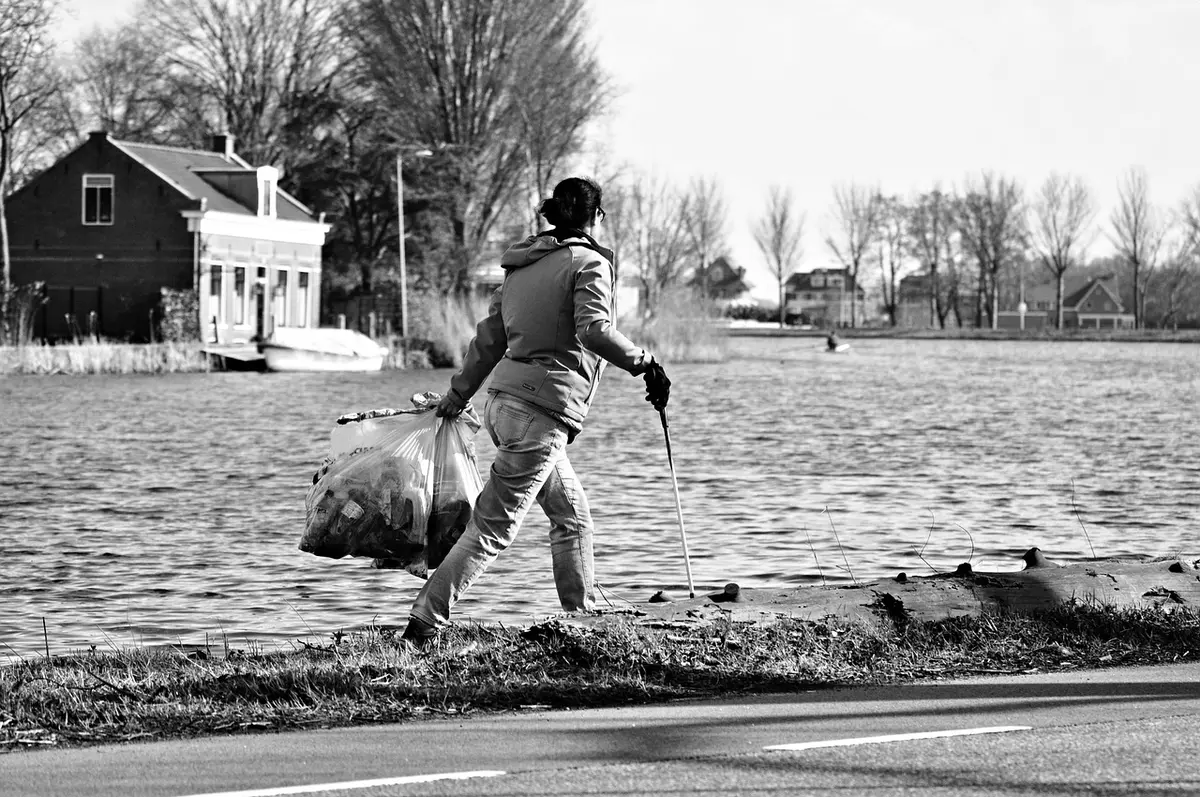
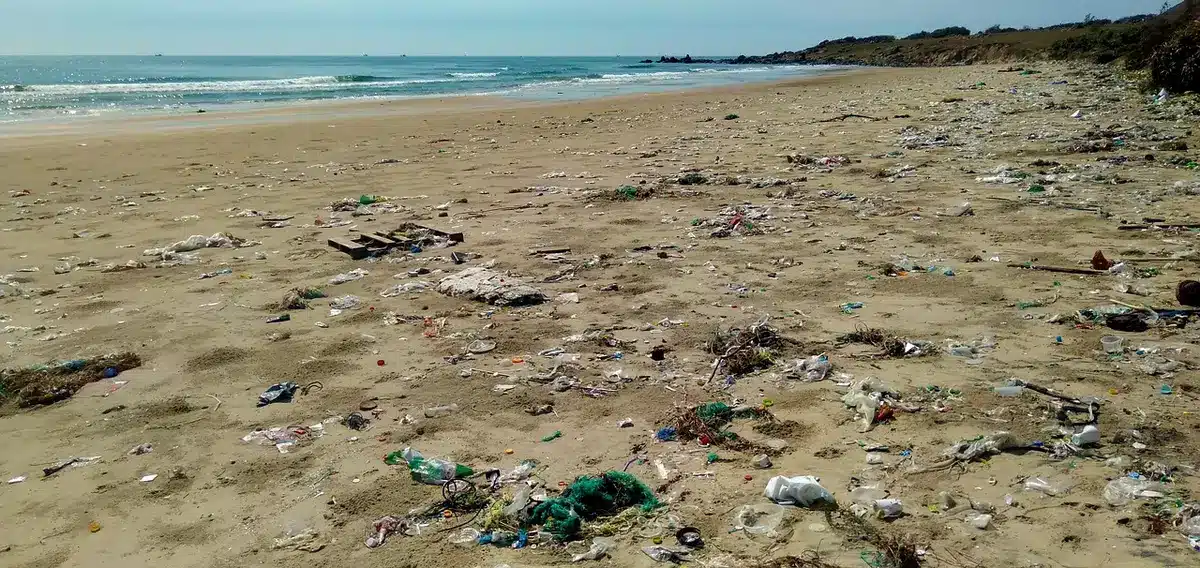
Dateline: 13 October 2026 — The seaside at Playa del Trampolín looked markedly different in the days leading up to the arrival of Spain’s king. Crews in high-visibility vests swept up the remains of an improvised encampment where thousands of migrants had lived for weeks: reed stalks used as shelter, bundles of building material, empty plastic bottles and other detritus were stuffed into black trash bags and hauled away in an ageing green-and-silver pickup to oversized green roll-off containers. Excavators later cleared the last traces of the makeshift camp known locally as “El Guano.”
Colonizing Mars is no longer a dream: Elon Musk unveils a historic deadline that will change everything
Gigantic 400-meter structures discovered beneath Antarctic ice spark heated debate among scientists worldwide
Although the Guardia Civil had ordered the final evacuation of the beachfront about a week earlier, two migrants were discovered hiding among the rocks on the shoreline the morning reporters were there; they were placed in a van and driven off by police.
A staged absence — local residents’ anger
From his white house perched on a slope above the road, Jorge González watched the activity below with bitter resignation. He and his wife Marisa have lived with the upheaval and hung a yellow-and-red banner from their terrace reading “Beach of Shame.” González estimates that 4,000 to 5,000 people were removed from the area and moved to other neighborhoods — a relocation that, in his view, simply shifted the visible problem elsewhere. “They want the king — who must know what happened here — to see nothing,” he said.
At the same time, other residents voiced fatigue. Many feel abandoned by national and European authorities yet try to help where they can. González and others describe the weeks around the encampments as akin to a siege.
What the royal itinerary will not show
The official two-day programme for the royal couple does not include visits to any of the beaches or the industrial zone close to the Moroccan border where many migrants had taken shelter. That means Felipe VI is unlikely to witness directly the places where the makeshift camps sprang up or the street-level conditions that followed.
Those caught at the shore are likely to be taken either to container complexes set up to receive asylum claims — areas that reporters were not permitted to enter — or returned to the border with Morocco to go back voluntarily. According to the Spanish government, more than 10,000 people have returned to Morocco since mid‑August.
Life in the industrial zone: makeshift clinics and battered shelters
For weeks, the industrial area near the border hosted people living in the open, including young children and teenagers. Aid groups ran a mobile medical clinic from a camper van; the van continues to serve as a mobile clinic even after the main clearances. Not all improvised shelters and huts have been removed. Some warehouses, fitted with bunk beds, now house unaccompanied minors.
Ahmed Enfedal, president of the neighborhood association in El Príncipe — a district with many residents of Moroccan origin — stressed that these are not proper child-care facilities. “They are child camps, not real institutions,” he said, noting efforts to relocate minors into alternative accommodations that offer better care.
The association had for weeks provided food to young girls on a school football pitch and continues to hand out meals to migrants sleeping on the streets. They also help parents trying to locate children and navigate family reunification procedures. Still, Enfedal says local people are weary of seeing people sleeping outside their homes and feel largely left to manage the situation themselves.
A YouTuber bought a Bugatti on TEMU expecting luxury… but the unboxing went terribly wrong
Colonizing Mars is no longer a dream: Elon Musk unveils a historic deadline that will change everything

Responses and symbolism
Enfedal arranged for small Spanish flags to be waved during the royal visit, acknowledging the ceremony’s symbolic value even as he questioned its practical effects. Jorge González likewise sees the visit as mainly symbolic: “It’s symbolic, nothing more. He can’t do anything else. But at least it gives us moral support, after Europe and the Spanish government have badly let us down.”
Photographs and videos González showed from the past weeks document the disruption his family felt; many inhabitants of Ceuta share the same impression that the cleanup was timed to present a tidier image for the king rather than to solve the underlying issues.
Similar Posts
- Tragic Loss: Thai Princess “Bha” Passes Away
- Thailand Shakes Up Political Scene: House Dissolved, New Elections Announced
- Morocco’s First Female Prime Minister: Historic Breakthrough for Women in Politics
- Multiple Bodies Recovered After Tragic Boat Accident
- A Symbolic Move Sparks Hope: What This Means for the Future

Lowell Hagan closely follows international affairs. From geopolitical conflicts to economic cooperation, he provides context to help readers better understand global dynamics. His clear, structured style gives meaning to global news.