Colonizing Mars is no longer a dream: Elon Musk unveils a historic deadline that will change everything
Gigantic 400-meter structures discovered beneath Antarctic ice spark heated debate among scientists worldwide
Updated: 06 November 2026 — 10:29 (local)
What began as the abrupt failure of a fast-growing digital bank has exploded into a full-blown political crisis in Paraguay. Prosecutors have opened investigations and, after a dramatic public statement by President Santiago Peña, lawmakers moved swiftly to start impeachment proceedings.
A rapid rise, a sudden fall — and millions affected
The trouble centers on Ueno, a digital lender that in just three years transformed from a small credit provider into one of Paraguay’s largest banks. Its sleek app and aggressive expansion made it a household name: by 2026 the institution counted roughly 2.9 million clients — more than half of the country’s adult population — and was even a sponsor of the national football team. Pensions and other state payments were routed through its systems.

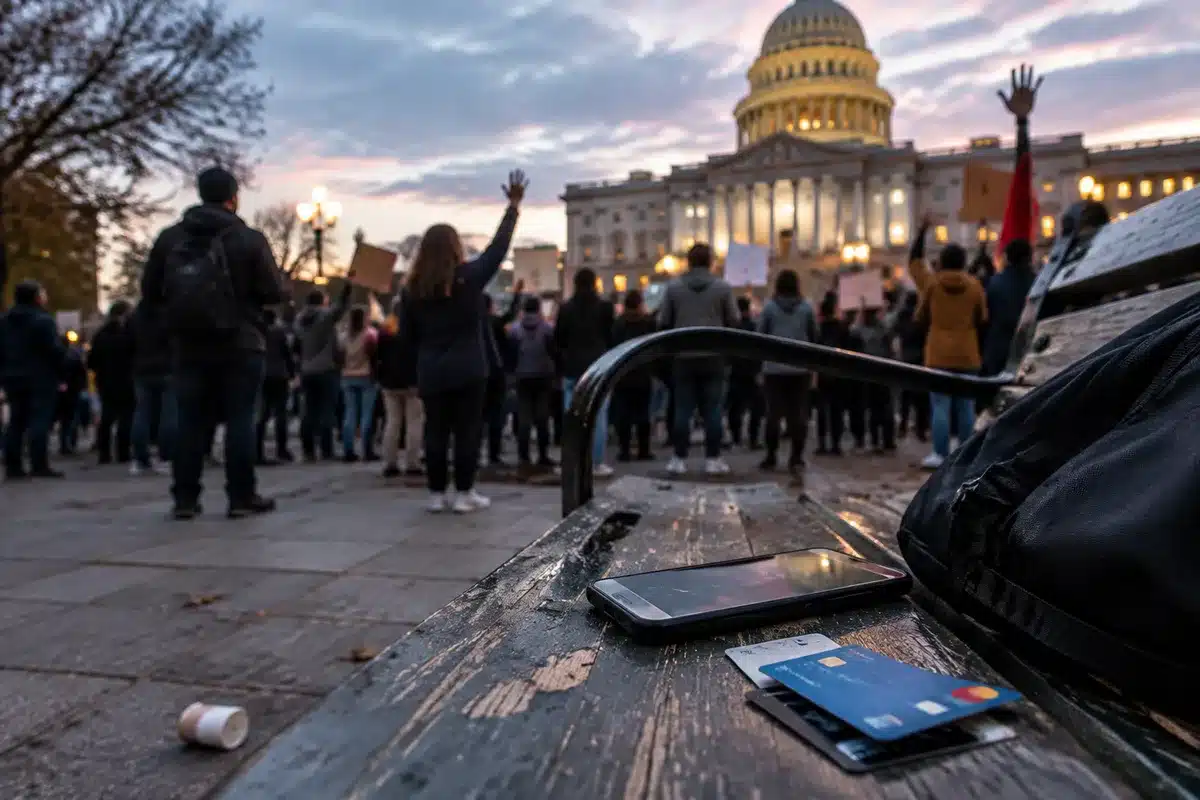
When the bank collapsed, many customers found themselves unable to access their savings. That loss of access, beginning on Tuesday, sparked angry demonstrations outside the Congress in Asunción and intensified pressure on political leaders.
Peña’s decision and an immediate parliamentary response
At 13:16 local time, President Santiago Peña posted a video message to his social channels in which he announced his intention to quit the presidency, saying he wanted to protect the country’s stability, social peace and democratic institutions. Minutes after the president’s statement, members of the Chamber of Deputies voted unanimously to open an impeachment process against him.
Prosecutors have also launched inquiries into the circumstances that led to the bank’s collapse and into the actions of public officials. The Attorney General’s involvement adds a criminal dimension to what had been primarily a financial and regulatory crisis.
A YouTuber bought a Bugatti on TEMU expecting luxury… but the unboxing went terribly wrong
Colonizing Mars is no longer a dream: Elon Musk unveils a historic deadline that will change everything
Anger on the streets
Protesters at the Capitol expressed outrage over blocked accounts and demanded accountability. “This isn’t just about Peña — the central bank chief and everyone responsible must face justice,” one demonstrator said, reflecting widespread calls for criminal charges against those seen as responsible for permitting the bank to grow unchecked.
Allegations of political favoritism and regulatory failure
Questions have swirled for months about how Ueno managed such a meteoric ascent. Local reporting pointed to close ties between the bank’s owners and powerful figures in government. President Peña, an economist who took office in 2023 at age 47, appointed Carlos Carvallo — a former Ueno president — to head the central bank. According to Luis Ortiz, a sociologist at the National University in Asunción, Peña himself retained a stake in the business until March of the previous year. Ortiz argues that the president supported laws and measures that ultimately advantaged the bank’s shareholders, directors and owners.
Media investigations also highlighted irregularities in lending practices. The bank reportedly did not meet required capital thresholds; following those findings, the central bank initiated a resolution procedure to wind down or restructure Ueno’s operations.
Political rivalries and institutional consequences
The situation has been aggravated by infighting within the long-dominant Colorado Party. Allies of former president and current party head Horacio Cartes pushed regulators to review Ueno’s books. The resulting regulatory action exposed capital shortfalls and triggered the formal procedures that precipitated the bank’s collapse.
Paraguay’s recent economic performance — including a reform-driven upswing that saw growth above 6% in 2025 — had bolstered its appeal to investors. Yet deep-rooted problems such as poverty and corruption remain, and the bank failure is now seen as a major setback for the country’s reputation.
Immunity, prosecution and legal maneuvers
In a notable procedural move, Congress announced it would decline to accept Peña’s resignation. Legislators argued that accepting the resignation would grant him parliamentary immunity and shield him from prosecution. If he is removed from office through impeachment, however, he would lose that protection and could be treated like any other citizen under criminal law.
Myrian Gonzalez, a legal expert at the National University, explained that an ousted president could be prosecuted more swiftly than one who resigned and thereby secured immunity. That distinction helps explain why deputies acted so quickly to initiate impeachment rather than letting a resignation short-circuit legal accountability.
Rumors of flight denied
Amid unverified reports that Peña planned to leave the country, the presidential office issued denials — a rebuttal later noted by international outlets including The New York Times.
The unfolding events — the bank’s collapse, criminal probes, massive street protests and the launch of impeachment proceedings — make clear that Paraguay’s financial shock has reverberated far beyond the banking sector and into the heart of its political system.
Similar Posts
- 14 Senators Meet Netanyahu: Silence on Palestinian-American’s Death by Israeli Settlers
- Israel Plans West Bank Blockade: Large-Scale Lockdown and Security Operation
- Putin Faces Delicate Mood Shift: What It Means for His Future
- Breaking News: Mike Huckabee Discusses Justice with Netanyahu, Reveals Slain Palestinian-American’s Father
- Trump Channels Gang Leader Vibes: The Power Symbol Behind His Long Red Tie

Lowell Hagan closely follows international affairs. From geopolitical conflicts to economic cooperation, he provides context to help readers better understand global dynamics. His clear, structured style gives meaning to global news.