Work revolution: Google reveals 90% of professionals are already using AI daily – are you one of them?
Gigantic 400-meter structures discovered beneath Antarctic ice spark heated debate among scientists worldwide
Introduction to Dual Pricing
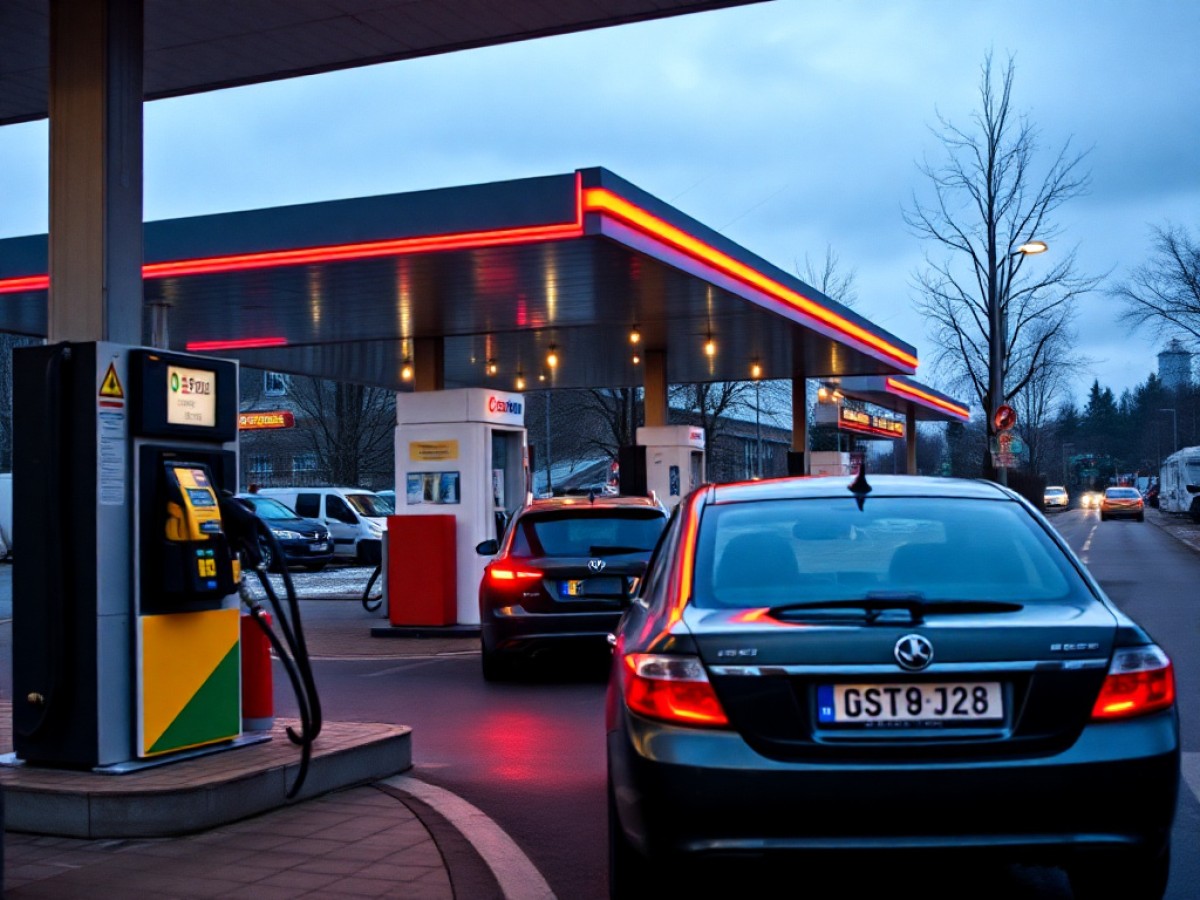
In Slovakia, a new dual pricing system has sparked debate. This system imposes higher diesel prices at gas stations for vehicles with foreign license plates. As of Monday, this controversial measure aims to curb “fuel tourism,” where drivers from neighboring countries fill up their tanks in Slovakia to take advantage of lower prices.
Local Reactions and EU Concerns
Opinions among Slovakians are divided. Some locals believe the dual pricing system is fair, citing higher wages in neighboring Austria as justification. Others criticize the approach, arguing it unfairly targets all foreign drivers regardless of their circumstances. Meanwhile, the European Union has flagged potential legal actions against Slovakia, stating the policy may violate EU laws by discriminating based on nationality and undermining the single market.
Impact on Neighboring Countries
A YouTuber bought a Bugatti on TEMU expecting luxury… but the unboxing went terribly wrong
Colonizing Mars is no longer a dream: Elon Musk unveils a historic deadline that will change everything
Drivers from Austria, Czech Republic, and Poland, countries used to calculate the foreigner tariff, might find the cost difference discouraging. The Slovak government has calculated the foreigner tariff based on the average diesel prices in these neighboring countries. This makes fuel tourism less attractive but also complicates cross-border relations.
Strategic Adjustments and Fuel Supply
Since the end of January, Slovakia has faced challenges in securing oil supplies due to interruptions in the Druzhba pipeline, which has historically transported Russian oil to Slovak refineries. The pipeline damage, attributed to Russian attacks in Ukraine, has led Slovakia to declare an oil emergency and explore alternative supply routes like the Adriatic pipeline from Croatia.
Market Dynamics and Government Strategy
The Slovak government, led by Prime Minister Robert Fico, introduced the dual pricing policy to ensure sufficient fuel availability for its citizens and manage the economic impact of fluctuating global oil prices. Despite these efforts, the Slovak fuel industry reports sufficient current supplies and views the shortages at some stations as logistical issues rather than true scarcities.
Future Outlook
While the Slovak government has temporarily implemented the dual pricing system for 30 days, the continuation of this policy could depend on both domestic economic conditions and external pressures, including potential legal challenges from the EU. The situation remains fluid, with the government likely adjusting its approach based on both internal feedback and international developments.
Similar Posts
- Putin Admits to Fuel Shortages Amid Crisis: Details Inside
- Selenskyj Confirms: Druschba Pipeline Fully Repaired and Operational
- Fuel Crisis Hits Russian-Occupied Territories: Scarcity Rises Amid Conflict
- Slovakia Challenges Russian Gas Import Ban: A Bold Stand in Energy Crisis
- Putin Embodies Conflict: A Deep Dive into Russia’s War Stance

Lowell Hagan closely follows international affairs. From geopolitical conflicts to economic cooperation, he provides context to help readers better understand global dynamics. His clear, structured style gives meaning to global news.