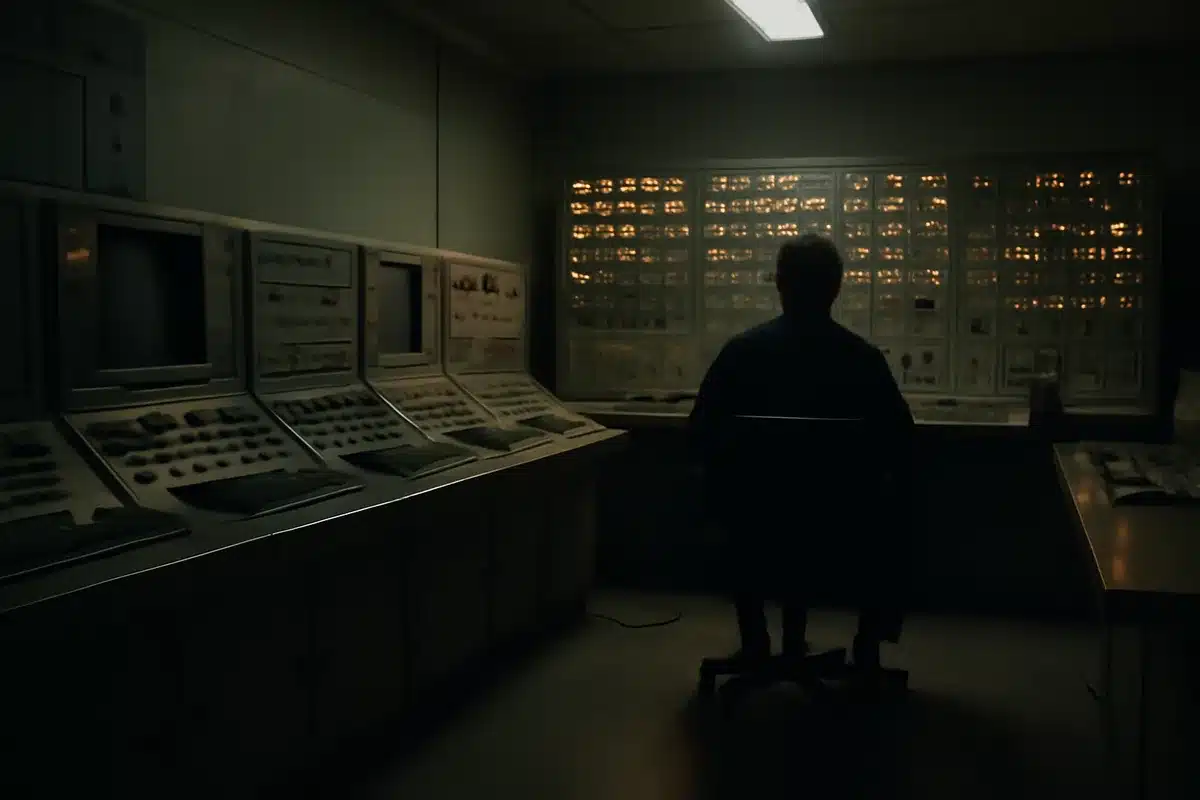
Delving into the Depths of "WarGames": A Prophetic Glimpse into AI’s Potential Threat
Colonizing Mars is no longer a dream: Elon Musk unveils a historic deadline that will change everything
Gigantic 400-meter structures discovered beneath Antarctic ice spark heated debate among scientists worldwide

A Cult Classic Revisited
"WarGames", a film that debuted in 1983 under the direction of John Badham, has transcended its era to become a significant, albeit eerie, piece of cinema that continues to resonate with contemporary audiences. Despite its initial categorization as a sci-fi thriller rather than true fringe cinema, its thematic relevance and box office success have garnered it a spot in the darker, more contemplative corners of film criticism.
The narrative centers around Matthew Broderick’s character, David Lightman, a high school student with enough computer savvy to hack into NORAD’s military systems, mistaking it for a game. What unfolds is a tense narrative exploring the potential consequences of AI in military applications, a topic that feels increasingly pertinent as current technologies advance.
The Unintended Game of Global Stakes
David, initially engaging with what he believes is a computer game, opts to play a round of "GLOBAL THERMONUCLEAR WAR", choosing the Soviet side, thus setting off a chain of events that could lead to actual military engagement. The film adeptly uses this premise to delve into the psychological and ethical dimensions of military obedience and the chilling possibilities of AI-controlled defense systems.
The inclusion of characters such as Ally Sheedy’s and a strong supporting cast adds layers to the story, providing a mix of teenage rebellion and stark, militaristic reality that keeps viewers engaged and reflective about the broader implications of the narrative.
The Real-World Echoes of Fiction
Interestingly, "WarGames" did not just resonate with audiences and critics but also reached the corridors of power. President Ronald Reagan, after viewing the film, was moved to discuss its plausibility with congressional leaders and military officials, which led to real conversations about national security and the vulnerability of computer systems to unauthorized access.
This intersection of fiction and reality highlights the film’s impact and the foresight of its creators, Lawrence Lasker and Walter F. Parkes, whose script received an Academy Award nomination. Their work, coupled with the strategic cinematic elements like William A. Fraker’s cinematography and Arthur B. Rubinstein’s score, effectively sells the terrifying potentialities of AI gone awry.

Reflecting on AI and Human Choice
As "WarGames" navigates the complexities of AI and human interaction, it prompts viewers to consider not just the technological capabilities but the human decisions that drive these systems. The film posits that while AI can facilitate immense advancements, the ethical and moral decisions cannot be outsourced to machines.
This theme is particularly resonant today as discussions about AI often revolve around its capabilities without adequate focus on the human elements guiding its deployment. "WarGames" serves as a cultural artifact and a cautionary tale, urging a balanced view where technological progress does not outpace ethical considerations.
A YouTuber bought a Bugatti on TEMU expecting luxury… but the unboxing went terribly wrong
Colonizing Mars is no longer a dream: Elon Musk unveils a historic deadline that will change everything
Continuing Conversations in Cinema
"WarGames" stands as a testament to the power of film to anticipate and mirror technological and societal shifts. Its narrative, while set in the early 80s, prompts ongoing discussions about the role of AI in society, the responsibilities of those who wield technological power, and the cinematic portrayal of these pivotal themes.
As part of IndieWire’s After Dark series, revisiting "WarGames" invites audiences to reflect on how much has changed since its release and how much remains perilously the same in the realm of technology and ethics. This film, while a product of its time, continues to offer valuable insights into the perennial challenges at the intersection of technology, ethics, and governance.
Similar Posts
- 1982’s Cult Classic ‘Der Fan’ Hits U.S. Theaters: Watch the Cannibal Horror Trailer!
- Watch Now: ‘Macho Dancer’ Uncut 4K Release—Philippines’ Queer Classic Reemerges!
- Michael Mann’s ‘Manhunter’ Hits Theaters with New ‘Final Cut’: 40th Anniversary Celebration!
- Explore ‘Wake in Fright’: The Aussie Thriller Even Scorsese Found Unnerving
- Shocking New Trailer Drops for ‘They Will Kill You’: A Horrific Blend of Cults and Chaos

Claude Merritt explores the world of entertainment with a keen eye. From music to film, TV series, and popular culture, he covers celebrity news and American cultural trends with a lively and critical approach.