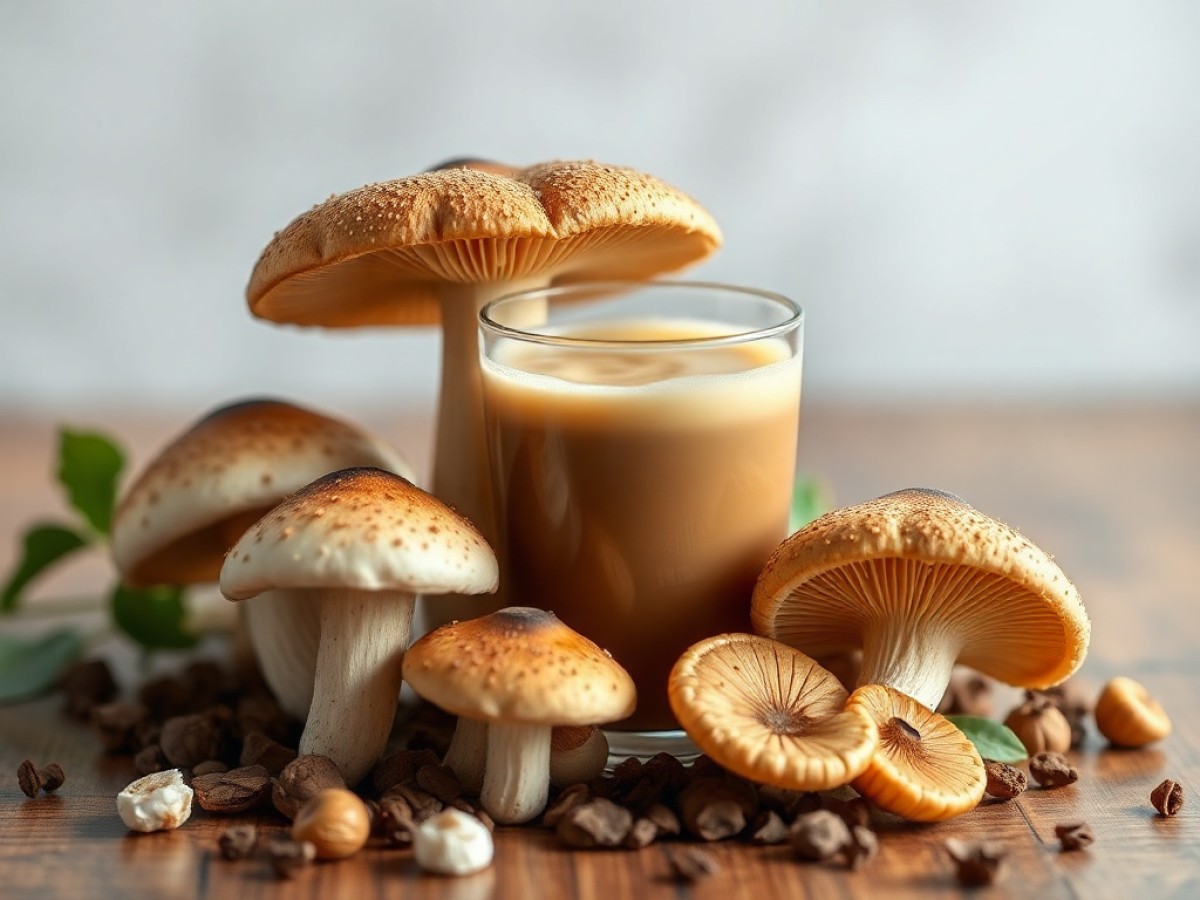
The Rise of Adaptogenic Mushroom Drinks in France
In recent years, France has seen a surge in popularity for adaptogenic mushroom drinks, touted for their well-being benefits. These beverages, often marketed as alternatives to traditional coffee, come in both powder and ready-to-drink forms. Brands like Bonjour, Foocus, and Vitalcup are at the forefront, promoting these products with ingredients derived from Asian traditional medicine. These ingredients, including lion’s mane, chaga, reishi, and cordyceps, are claimed to boost immunity, reduce stress, and enhance vitality.
Work revolution: Google reveals 90% of professionals are already using AI daily – are you one of them?
Gigantic 400-meter structures discovered beneath Antarctic ice spark heated debate among scientists worldwide
Questionable Health Claims and Scientific Scrutiny
Despite the appealing marketing, the scientific community remains skeptical about the health claims made by these mushroom beverages. To date, rigorous clinical trials have not substantiated the health benefits these drinks purport to offer. While some preliminary results have shown potential benefits of reishi mushrooms in enhancing the effectiveness of chemotherapy for certain tumors, they do not suggest any overall survival benefits. Moreover, contrary to some claims, not all of these mushroom drinks are caffeine-free; some contain nearly half to two-thirds the caffeine level of a standard cup of coffee.
Consumer Experiences and Medical Cautions
Some users, like Laure, have reported unusual side effects such as persistent menstrual disturbances after regular consumption of these drinks. These effects are possibly linked to the antiplatelet properties of several mushrooms used in these products, a hypothesis supported by laboratory and animal studies. Pharmacist and mycologist Anne-Lise Bienvenu notes that there are real risks of bleeding, particularly when these mushrooms are combined with anticoagulant treatments or consumed before surgery. However, it remains challenging to predict who might be affected by these side effects.
Regulatory Gaps and Vague Information
The packaging and online information about these mushroom-based beverages often lack clear details, making it difficult for consumers to understand their potential risks. While some labels do suggest consulting a physician and advise against use by individuals with health issues, European legislation only requires manufacturers to list the maximum dosage, without needing to disclose identified adverse effects. There are also reports of negative consumer experiences being removed from social media and online retail platforms.
Purity Concerns and Environmental Considerations
The origin and purity of the mushrooms used in these drinks are not transparent, raising concerns about the potential for pollutant accumulation, such as heavy metals, and the impact on biodiversity. Additionally, the cost of these products can be exorbitant, sometimes reaching hundreds of euros per kilogram. This pricing is often coupled with subscription offers and "cure" packages, which lack transparency and could mislead consumers.
A Cautionary Approach for Vulnerable Consumers
Given the combination of high costs, questionable health benefits, and potential risks, consumers, especially those who are vulnerable or undergoing medical treatment, are advised to approach these trendy mushroom beverages with caution. The allure of wellness benefits should be weighed carefully against the lack of proven efficacy and possible health risks.
Similar Posts
- CBD Health Scare: Alarming Phenomenon Triggers Health Alerts!
- “Healthy” Fizzy Drinks Exposed: Why They May Not Be Good for You
- Sunscreen Alert: Experts Warn of This Common Summer Mistake!
- Matcha vs. Coffee: Which One to Choose Based on Your Fatigue Level?
- Slash Your Blood Sugar: 3 Grandma’s Secrets Revealed!

Doyle Renner writes about public health, medical advances, and everyday wellness. He brings complex topics to life to help readers take informed care of their health.