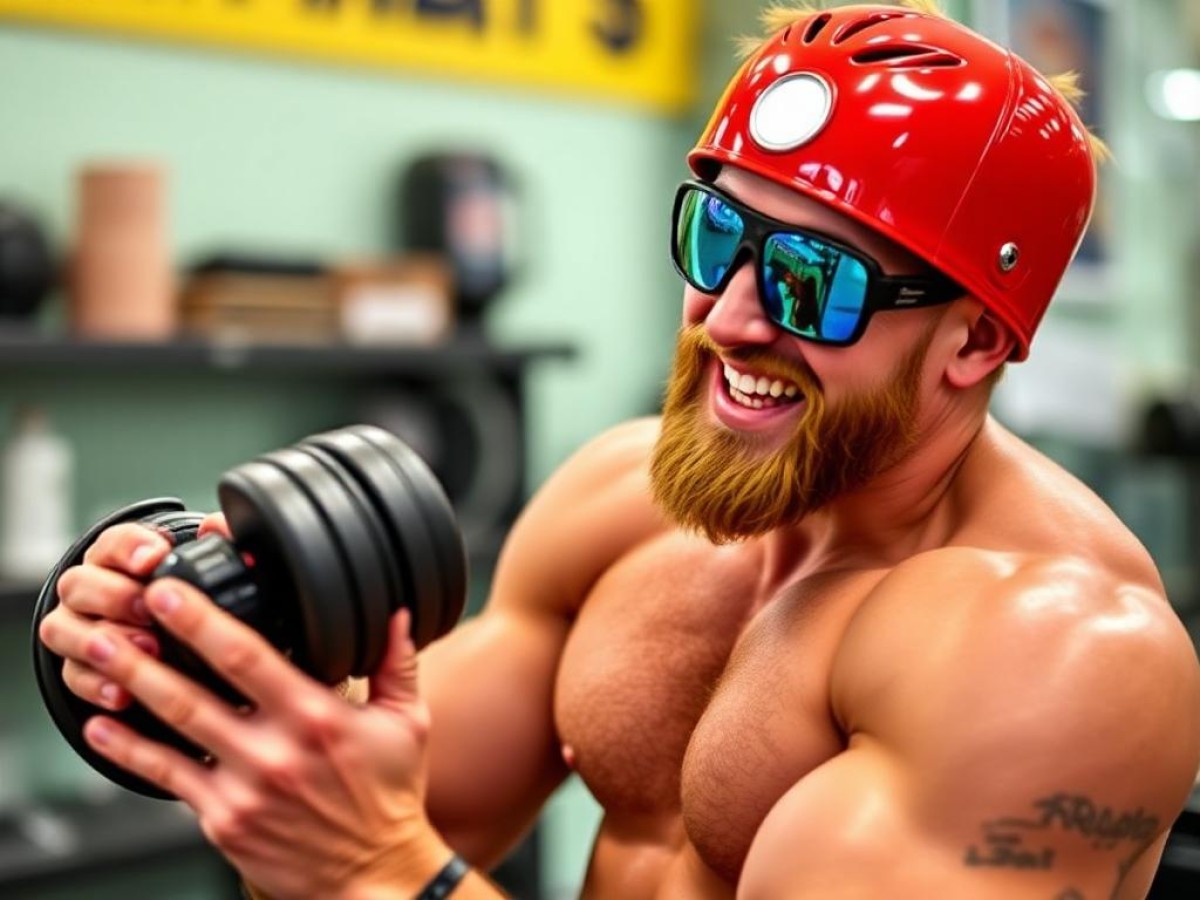
Ashton Hall: The Internet Sensation Redefining Fitness Showmanship
Work revolution: Google reveals 90% of professionals are already using AI daily – are you one of them?
Gigantic 400-meter structures discovered beneath Antarctic ice spark heated debate among scientists worldwide
From Morning Madness to Viral Stardom
In a world where social media influencers vie for the spotlight with ever more unique content, Ashton Hall stands out with his unconventional approach to what he calls wellness routines. His mornings are not your average cup of coffee and newspaper read. Imagine starting your day by slapping banana peels on your face, plunging your head into a bucket of icy water, and channeling what sounds like ancient Viking spirits through loud moans. This unusual repertoire has not only captured viewers’ attention but has also catapulted Hall into viral fame.
Hall’s antics—ranging from barefoot sprints to dramatic leaps into pools—might seem bizarre at first glance. Yet, despite the seemingly absurd nature of his routines, there’s an undeniable method to the madness. His content, characterized by its extreme nature and odd camera angles, challenges traditional notions of wellness and fitness. It’s clear that Hall has tapped into a formula where spectacle trumps conventional exercise wisdom, drawing nearly a billion views across various platforms.
The Ripple Effect of Theatrical Wellness
Interestingly, Hall’s dramatic demonstrations have had tangible impacts beyond just digital views. For instance, after featuring Saragota water in one of his videos, the brand reportedly saw a significant spike in sales. The video itself became a meme goldmine, further cementing Hall’s status as a social media phenomenon. This blend of entertainment and subtle product placement underscores a new era in digital marketing, where virality can lead to real-world economic effects.
A Competitive Streak Goes Awry
While Hall’s fitness exploits have earned him a vast online following, his competitive ventures, particularly against personalities like IShowSpeed, reveal a more contentious side. Hall’s decision to race IShowSpeed—a known fast runner—multiple times despite repeated losses was a spectacle in itself. Each race ended with excuses and demands for rematches, showcasing a relentless, albeit misguided, competitive spirit. These events, broadcasted to millions, not only fueled further online discourse but also highlighted the pitfalls of chasing clout without foresight. The repeated defeats, summarized humorously yet pitilessly in online comments as "IShowSpeed 4:0 Ashton Hall," served as a stark reminder from the community, echoing influencer Kai Cenat’s advice, "stop giving them second chances."
Through these layers of online interaction, Hall embodies the complexities of modern social media stardom—where the lines between genuine wellness advocacy and pure entertainment blur, creating a spectacle that millions tune in to see, critique, and discuss.
Similar Posts
- Liver King Exposed: Is This Just the Start of a Bigger Trend?
- Big Sean Fires Back at Abs Scandal: Internet Still Buzzing With Speculations!
- Downton Abbey Meets Naked Gun: Hilarious ‘Fackham Hall’ Trailer Released!
- Just Turned 18, She Joined Onlyfans… And in Less Than 3 Hours, She Earned More Money Than Some People Do In Their Entire Lives
- Shocking ICE Detention: British Muslim Journalist Ordered ‘Drop Now on the Floor’

Trent Mallory is a passionate sports journalist who dives deep into major competitions and the stories behind every game. From American football and the NBA to tennis and the Olympics, he delivers sharp, energetic coverage. His work brings matches, athletes, and behind-the-scenes challenges to life. For Trent, sports are more than just results — they are culture, passion, and a force for change.