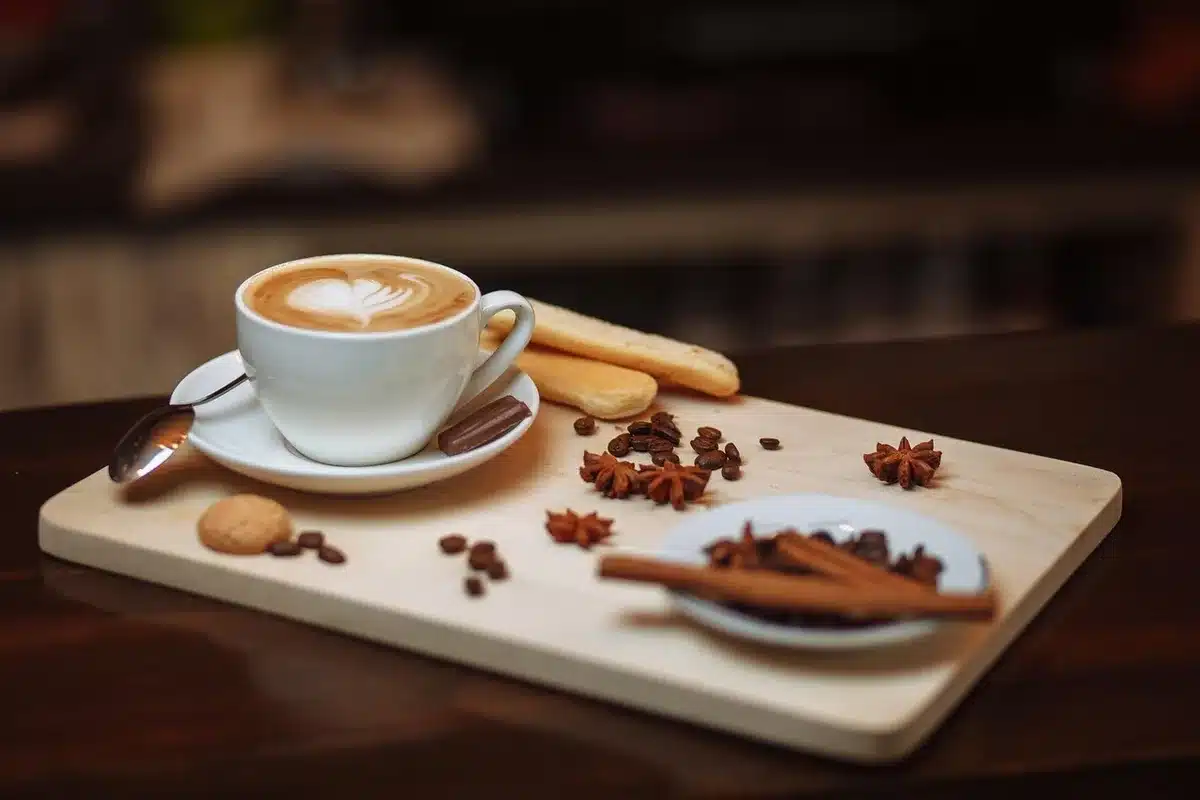
Understanding Your Energy Boost: Coffee Vs. Matcha
For many, a quick caffeine fix is the go-to solution to kick start the morning or to push through the mid-afternoon slump. While black coffee has long been the staple of office environments, the rise of matcha green tea is capturing the attention of those seeking a gentler burst of energy. Both beverages interact with our nervous system in distinctly different ways, making the choice between coffee and matcha an interesting one to explore.
Colonizing Mars is no longer a dream: Elon Musk unveils a historic deadline that will change everything
Gigantic 400-meter structures discovered beneath Antarctic ice spark heated debate among scientists worldwide
The Science Behind Coffee’s Benefits
Coffee is one of the most extensively studied stimulants globally. Research highlights that caffeine, its primary active component, obstructs adenosine receptors which are responsible for feelings of tiredness. Consuming coffee results in an immediate increase in alertness, enhances short-term memory, and prompts the release of dopamine. Additionally, high-quality coffee is rich in polyphenols—antioxidants that support long-term cardiovascular and cellular health.
Exploring Matcha’s Unique Brain Benefits
Matcha, unlike typical green tea, involves the ingestion of the entire ground leaf, offering a potent form of the tea. Clinical studies underscore its dual richness in caffeine and L-theanine, an amino acid that uniquely promotes alpha wave activity in the brain, leading to deep relaxation. This combination significantly improves concentration and mental clarity without causing the jitteriness associated with other stimulants.
Comparing Energy Release: Coffee’s Peak Vs. Matcha’s Sustained Energy
The key difference between these two lies in how their energy is released into the body. Coffee’s caffeine offers an immediate burst, peaking within thirty minutes, but this sharp rise is often followed by a swift drop in energy, leading to a subsequent crash. In contrast, matcha contains tannins that slow the absorption of caffeine, resulting in a gradual, steady release of energy lasting four to six hours, avoiding the drastic peaks and troughs associated with coffee.
Choosing Based on Your Fatigue Type
Your choice between these two beverages should consider the nature of your fatigue. If you’re experiencing temporary fatigue due to a poor night’s sleep and need an immediate boost, a strong cup of coffee might be the answer. However, if you’re dealing with nervous, mental fatigue, or stress-related tiredness, coffee could exacerbate anxiety. In such cases, matcha is preferable as it enhances alertness while simultaneously soothing internal stress, making it ideal for those with a sensitive stomach or who experience acid reflux from coffee.
Guidelines for Consumption to Maintain Metabolic Health
To ensure these drinks remain beneficial and do not adversely affect health, moderation is crucial. Health authorities recommend limiting caffeine intake to no more than 400 mg per day, roughly equivalent to three cups of coffee. To preserve quality sleep, it’s advisable to set a cutoff time at 3 PM for caffeinated beverages. Additionally, consuming these drinks without added sugar can prevent blood sugar spikes and allow you to fully benefit from their antioxidants.
The strategic use of coffee for an immediate energy kick and matcha for sustained focus can be a smart way to manage your daily energy levels while maintaining the delicate balance of your nervous system. Each has its place in a healthy lifestyle, addressing different needs and situations.
Expert Insight on Switching to Matcha
Léa Zubiria, a Dietician Nutritionist, often advises her clients, particularly those who are highly stressed or prone to late afternoon cravings, to replace their morning coffee with a sugar-free almond milk matcha latte. This switch can effectively regulate appetite and manage stress hormones. She emphasizes choosing ceremonial grade, organically sourced matcha to avoid pesticides and enjoy its smooth flavor.
Similar Posts
- Matcha vs. Coffee: Which One to Choose Based on Your Fatigue Level?
- Matcha vs. Coffee: Which Boosts Energy Best? Decode Your Ideal Pick!
- Ube Latte Craze: Delicious Trend or Just Instagram Hype?
- Are Adaptogenic Mushroom Drinks Safe? Shocking Findings from a 60 Million Consumers Investigation
- Cortisol Facts Exposed: What You Must Understand Before Detoxing!
A YouTuber bought a Bugatti on TEMU expecting luxury… but the unboxing went terribly wrong
Colonizing Mars is no longer a dream: Elon Musk unveils a historic deadline that will change everything

Doyle Renner writes about public health, medical advances, and everyday wellness. He brings complex topics to life to help readers take informed care of their health.