Colonizing Mars is no longer a dream: Elon Musk unveils a historic deadline that will change everything
Gigantic 400-meter structures discovered beneath Antarctic ice spark heated debate among scientists worldwide
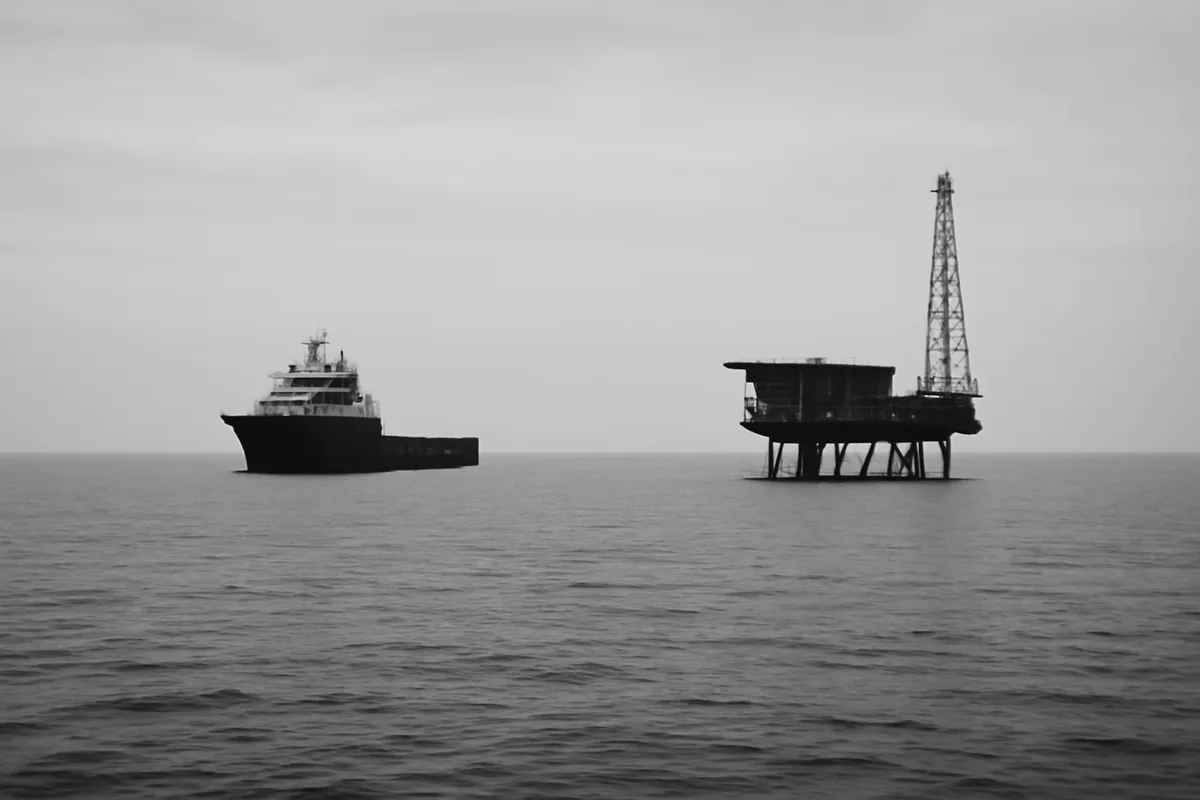
The Greensand project marks the launch of the first CO2 sequestration initiative in the EU, aiming to permanently store harmful carbon emissions beneath the North Sea’s seabed. However, the project is not without its critics.
A YouTuber bought a Bugatti on TEMU expecting luxury… but the unboxing went terribly wrong
Colonizing Mars is no longer a dream: Elon Musk unveils a historic deadline that will change everything
In a significant move towards combating climate change, King Frederik of Denmark has officially commenced the Greensand project. This initiative involves shipping over 5,000 tonnes of liquefied CO2 to a defunct oil field off the Danish coast for subterranean storage.
David Bucknall, head of Ineos Energy, the company leading this venture, stated, “We hope our project serves as a blueprint for others. We are proud to pioneer this technology at a commercial scale within the EU.”
This underground storage method is seen as a crucial step towards making Europe’s industries less environmentally damaging. Traditionally, CO2 generated in factories ends up in the atmosphere, exacerbating climate change. The Greensand project aims to change this by capturing CO2, liquefying it, and then transporting it by ship to be injected into the subterranean cavities of the old oil field, where it will remain isolated.
The European Union, recognizing the potential of this carbon capture and storage (CCS) technology, has invested in Greensand. EU Energy Commissioner Dan Jørgensen highlighted the importance of such initiatives, stating, “It’s crucial for the climate that we demonstrate the viability of this technology. The Intergovernmental Panel on Climate Change has made it clear that if we can’t remove CO2 from the atmosphere, we won’t meet our climate targets.”
Economic Implications and Criticism
While the EU aims for climate neutrality by 2050, it also seeks to ensure that economic activities are not unduly hindered. Capturing and storing CO2 may reconcile the needs of both the economy and environmental protection, according to Bucknall. “If we continue to have an industrial base and manufacture products in Europe, emissions will occur regardless of our efficiency. We need CO2 storage technology for these emissions,” he explained.
However, critics argue that such projects might send the wrong message by implying that it’s acceptable to continue producing CO2. Philip Fosbøl, a CO2 storage researcher at the Technical University of Denmark, expressed concerns that some countries might misuse this technology to maintain oil and gas production rather than reducing carbon emissions. Nevertheless, Fosbøl believes that Denmark and Europe are committed to genuine climate protection efforts.
For these projects to be successful in the long term, numerous companies must participate and store their CO2. So far, firms from Denmark and Sweden are involved in Greensand, with potential interest from German companies, particularly in industries like steel, cement, and chemicals, which are expected to produce CO2 for the foreseeable future.
A Partial Solution to a Complex Problem
The safety of injecting CO2 into depleted oil and gas fields is another critical issue. Fosbøl drew parallels to traditional fossil fuel extraction methods, asserting that storing CO2 is as safe as extracting oil or gas from the ground. “We’re essentially returning CO2 to where it originally came from—the geological formations that have contained oil and gas for millions of years,” he noted.
He anticipates that the Greensand project alone could securely store CO2 underground for several decades. However, it’s clear that this technology is only part of the broader solution needed to combat global warming.
Similar Posts
- Revolutionize Your Listening Experience: Upgrade Now with AI-Powered Narration by ElevenLabs!
- Nepal’s Fury Over Climate Change Culprits: A Nation Demands Justice
- Today’s the Day: Breaking the Deadlock with a Crucial Decision
- Steven Koonin Reveals: The Real Truth About Climate Change Is Not What You Think!
- Revolutionize Your Listening Experience: Discover AI-Powered Narration by ElevenLabs!

Lowell Hagan closely follows international affairs. From geopolitical conflicts to economic cooperation, he provides context to help readers better understand global dynamics. His clear, structured style gives meaning to global news.