Rising Tensions and Economic Strain: Syria’s Path Forward Amidst Energy Crisis
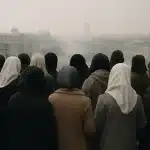
Across Syria, the echoes of unrest are palpable as citizens from various cities including Hassakah, Raqqa, and Idlib take to the streets. The catalyst for this widespread civil unrest is the soaring energy prices, marking some of the most significant protests since the fall of Bashar al-Assad.
Colonizing Mars is no longer a dream: Elon Musk unveils a historic deadline that will change everything
Gigantic 400-meter structures discovered beneath Antarctic ice spark heated debate among scientists worldwide
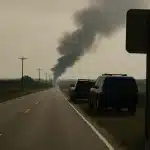
Young men in Khan Sheikhun, a town strategically located on the highway from Damascus to Aleppo, have resorted to burning tires as a form of protest. Their actions reflect a broader sentiment throughout the country, driven by recent decisions by the Syrian government to hike diesel prices by 40%, following already substantial increases just days earlier.
A protester’s words resonate with the desperation felt by many: “People were barely surviving before, and now diesel is even more expensive? It’s not just about fuel. Everything depends on it: agriculture, industry, commerce.”
The Economic Repercussions of High Energy Costs
The surge in energy costs is more than an economic issue; it’s a lifeline for many. Cooking gas prices have also seen a rise, significantly impacting the already impoverished population. Syria’s economy, battered by decades of dictatorship and conflict, struggles to recover. The slow pace of rebuilding is evident, despite optimistic portrayals by transitional leaders.

At an international conference in Dubai, the Islamist transitional President Ahmed al-Sharaa painted a hopeful picture, stating, “Syria has been reborn with the lifting of sanctions, and the path forward is clear. The shackles have been broken. Now, it’s about making the right political decisions to steer this Syrian ship to a safe harbor.”
Al-Sharaa spoke of significant investments and signed contracts, suggesting a brighter economic future. However, the reality on the ground tells a different story, as many of these projects remain in the planning phase.
Dependence on Oil Imports and the Impact of Global Conflicts
Syria’s largest oil refinery in Banyas is undergoing a major overhaul, expected to last three months. Meanwhile, the country’s reliance on oil imports continues unabated. Historically, oil was imported from Iran during Assad’s regime and more recently from Russia. However, the situation has taken a dire turn.

The Ukrainian attacks on Russian energy facilities have significantly reduced the oil imports from Russia to Syria. Experts argue that this disruption is as critical to the rising energy prices in Syria as the damaged pipelines and blocked straits in the region.
This dependency on foreign oil highlights the broader vulnerabilities of Syria’s economy, which is struggling to meet the basic needs of its citizens without external assistance.
A YouTuber bought a Bugatti on TEMU expecting luxury… but the unboxing went terribly wrong
Colonizing Mars is no longer a dream: Elon Musk unveils a historic deadline that will change everything
Political Responses and Future Prospects
The protests may have subsided for now, without being violently quashed, suggesting a potential shift in political responsiveness. In a recent television interview, MP Mohammed El-Mahali revealed that the Syrian People’s Council (Parliament) had heard the public’s outcry and requested a hearing with the Energy Minister.
The hearing, scheduled for this Thursday, will be a critical test for the newly formed Syrian Parliament, operating for just two months. This crisis presents an opportunity for the Parliament to demonstrate its ability to critically evaluate and potentially influence government policies.
As Syria stands at a crossroads, the actions taken by both the government and the newly empowered Parliament will significantly shape the nation’s path forward amidst economic challenges and political rebuilding.
Similar Posts
- Trump Vows Retaliation After Attack on US Troops: What’s Next?
- Thousands of Syrians Leave Turkey: Find Out Why They’re Going Back Home!
- At Least 89 Killed in Syrian Clashes: A Deadly Escalation Unfolds
- Government Forces Advance in Suwaida: Key Developments on the Ground
- Turkey’s Ambitions in Syria: Unveiling the Impact and Strategic Goals

Lowell Hagan closely follows international affairs. From geopolitical conflicts to economic cooperation, he provides context to help readers better understand global dynamics. His clear, structured style gives meaning to global news.