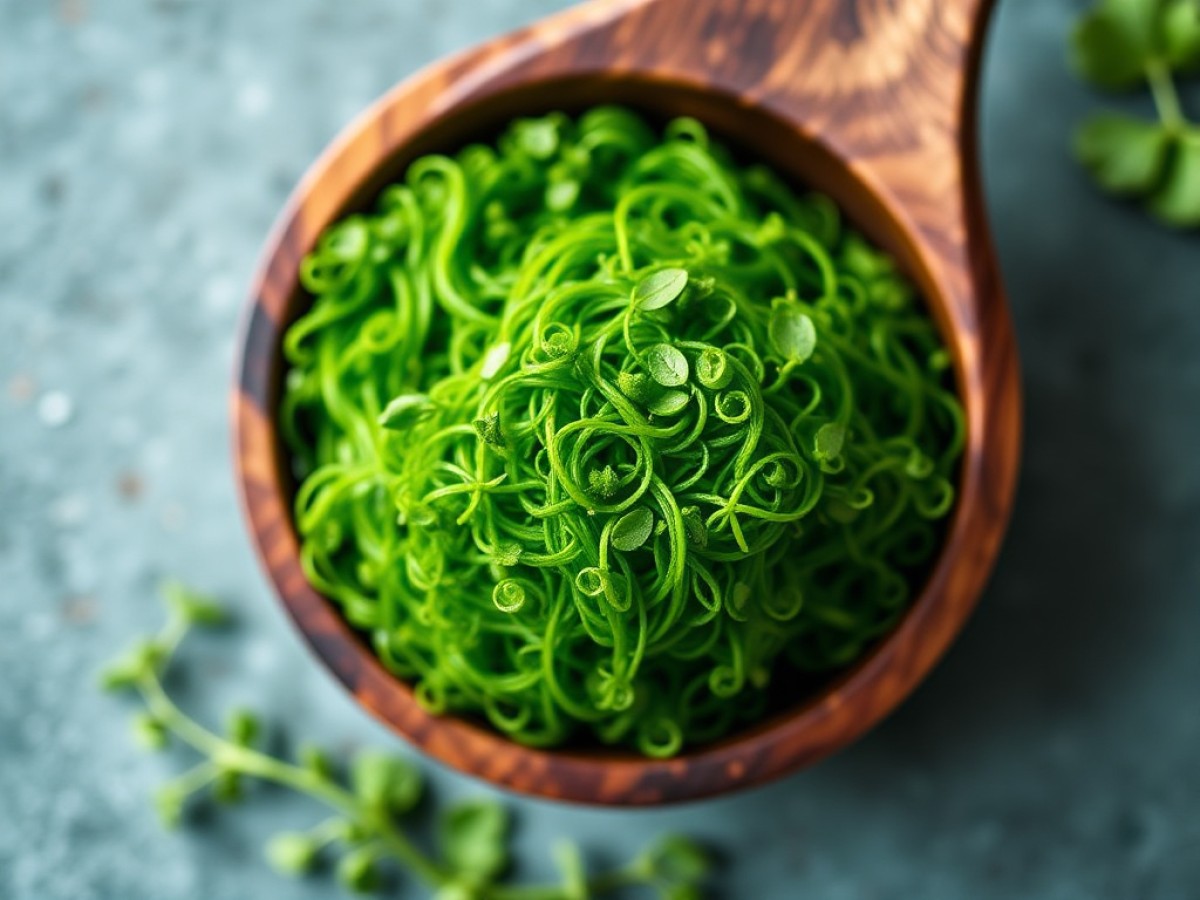
Spiruline: The Superfood Taking Center Stage in Blood Pressure Management
Spiruline, a microalgae lauded for its nutritional richness, is gaining attention not just as a superfood but as a potential ally in combating hypertension, especially in at-risk individuals. A recent meta-analysis published in the Journal of Human Nutrition and Dietetics highlights its promising effects on blood pressure regulation, sparking interest among scientists worldwide.
Work revolution: Google reveals 90% of professionals are already using AI daily – are you one of them?
Gigantic 400-meter structures discovered beneath Antarctic ice spark heated debate among scientists worldwide
A Comprehensive Study Spanning Two Decades
The investigation involved a thorough meta-analysis of 29 randomized controlled trials conducted across 12 countries from 2001 to 2022, covering 1,583 participants aged 18 to 86. Researchers meticulously analyzed the impact of various edible algae, including spiruline, chlorelle, wakamé, and kombu, on both systolic and diastolic blood pressure. The selection criteria were strict: only studies lasting a minimum of four weeks were considered, with a keen focus on the methodological quality of the research and the health profiles of the participants, whether they were healthy or had cardiometabolic disorders.
The Exceptional Impact of Spiruline
The findings of the study are quite definitive. While all the tested edible algae on average reduced systolic blood pressure by 2.05 mmHg and diastolic pressure by 1.87 mmHg, spiruline stood out significantly. It alone reduced systolic blood pressure by an average of 5.28 mmHg and diastolic by 3.56 mmHg. In contrast, macroalgae like kelp showed no significant effects, despite their high natural nitrate content. The most marked benefits of spiruline were observed under specific conditions:
- Consumption in its whole form (e.g., powder added to food) rather than as an extract or in capsules.
- A daily intake of at least 3 grams.
- A consumption period of at least 12 weeks.
- Use among participants with hypertension or a confirmed cardiometabolic risk.
Spiruline as a Complementary Alternative to Traditional Treatments
Beyond its antihypertensive properties, spiruline offers a safer profile compared to some other algae that may be high in iodine or heavy metals. The research particularly emphasizes that the benefits are most pronounced in individuals with initially high blood pressure or metabolic syndrome, noting reductions up to three times greater than those seen in healthy participants. The whole food form of spiruline appears to enhance the synergistic effect of its bioactive compounds, including peptides, potassium, polyphenols, and antioxidants. However, the precise biological mechanisms behind these effects remain somewhat elusive, highlighting the need for further targeted studies.
As spiruline continues to be explored, its potential as a natural supplement to traditional hypertension treatments becomes increasingly evident, offering a glimmer of hope for those seeking alternative health solutions.
Similar Posts
- Hypertension Breakthrough: Discover the Superfood That Could Change Everything!
- Hypertension Breakthrough: Autumn Fruit Piques Researchers’ Interest!
- High Tension Alert: Discover Which Herbal Teas Can Truly Lower It!
- Natural Remedy Alert: Regulate Your Blood Sugar in Record Time!
- Meditation Beats Vacations for Stress Relief: Discover How!

Doyle Renner writes about public health, medical advances, and everyday wellness. He brings complex topics to life to help readers take informed care of their health.