Exploring Ukraine’s Path to EU Membership: The Special Status Proposal
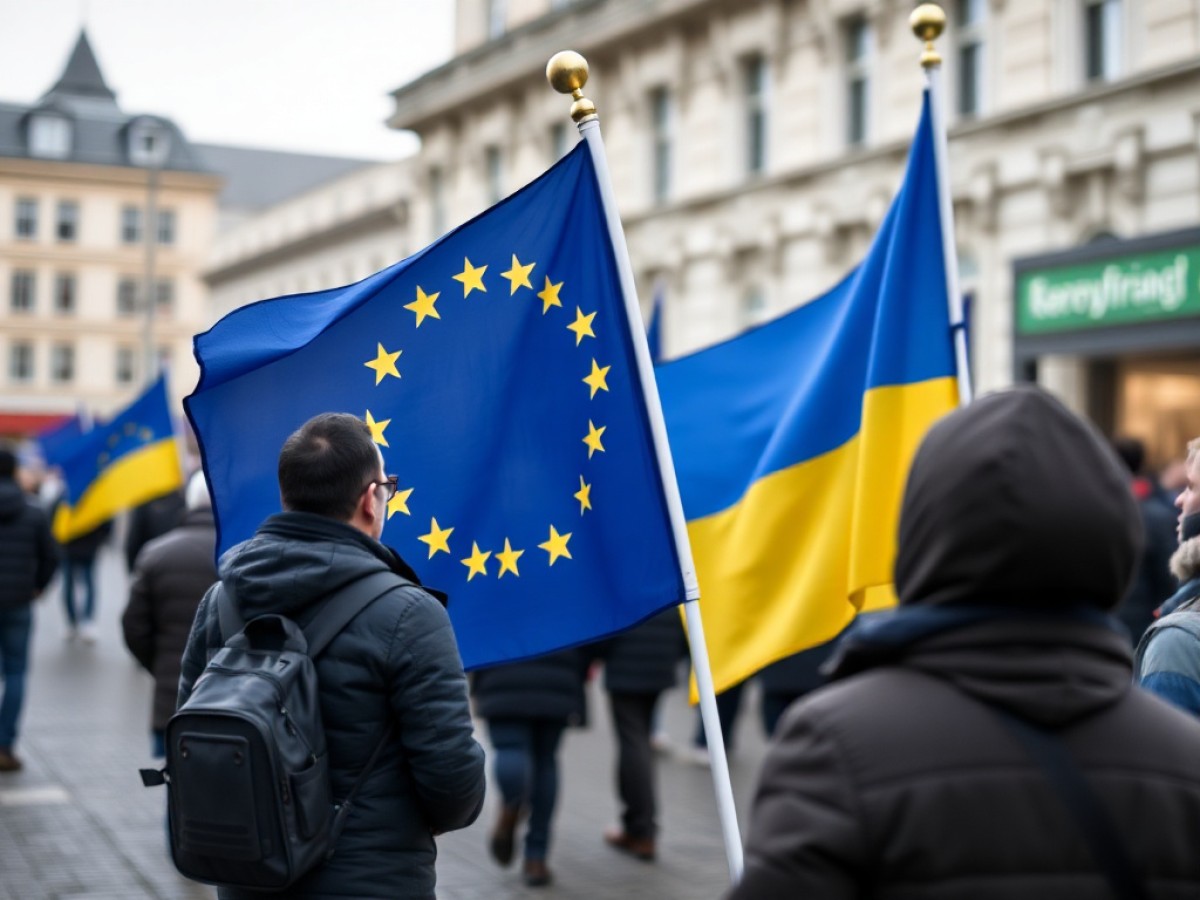
In a significant development in European geopolitics, the idea of granting Ukraine a special status in its journey towards European Union membership has been proposed. This concept isn’t entirely new and was articulated by German Chancellor Friedrich Merz during a recent EU summit in Cyprus. Given the complexities of an immediate membership, Merz suggested an interim membership status without voting rights, which could potentially accelerate Ukraine’s integration into the EU.
Work revolution: Google reveals 90% of professionals are already using AI daily – are you one of them?
Gigantic 400-meter structures discovered beneath Antarctic ice spark heated debate among scientists worldwide
### The Journey of Ukraine’s EU Aspiration
Ukraine’s pursuit of EU membership became a priority following Russia’s invasion in 2022. Despite the ongoing conflict, Ukraine has rapidly met significant criteria required for EU accession. This includes critical reforms in the judiciary, anti-corruption measures, and minority protections, aligning with EU’s democratic standards. This progress is especially noteworthy compared to other nations like Montenegro and Albania, which have been in the accession process for over 15 years.
### Considerations and Implications
The proposal from Chancellor Merz adds a new layer to the accession process and could have broader implications for other candidate countries. If the EU’s largest member state, Germany, advocates for a membership with limited rights for Ukraine, it could redefine the entire accession framework. According to Funda Tekin, Director at the Institute for European Policy in Berlin, this approach could provide the EU with much-needed flexibility. It reflects the existing diversity within the EU, where member states participate in different capacities—some use the euro, others do not, and not all are part of the Schengen Area.
Tobias Cremer, an SPD member and foreign policy expert in the EU Parliament, views this associate membership as a step towards full integration, offering Ukraine certain preliminary rights and allowing both the EU and Ukraine to ‘practice’ membership.
Challenges and Concerns from EU Members
While the idea of Ukraine’s membership has gained traction, especially after the departure of Russia-ally Viktor Orban from Hungary’s political scene, there are still hurdles. The new Hungarian government insists on better protection for the Hungarian minority in Ukraine. Poland, on the other hand, is concerned about the competitive threat to its farmers from Ukrainian grain exports and the potential redistribution of EU agricultural subsidies.
### The Unique Challenge of War
One of the most daunting challenges is the implications of admitting a nation that is currently at war or under threat from Russia. This situation poses critical questions for the EU’s mutual defense commitments. Cremer suggests that granting EU membership to Ukraine would send a strong signal to Moscow and promote a sustainable peace in Europe, backed by clear security guarantees. Ukraine’s advanced wartime innovations, particularly in drone technology and artificial intelligence, also present strategic advantages for the EU.
A YouTuber bought a Bugatti on TEMU expecting luxury… but the unboxing went terribly wrong
Colonizing Mars is no longer a dream: Elon Musk unveils a historic deadline that will change everything
As debates and discussions continue in Brussels, the EU is considering the ramifications of this unprecedented situation—integrating a country that is actively defending its sovereignty against aggression. The ongoing conflict has not only tested Ukraine’s resilience but has also pushed it to the forefront of modern warfare, potentially offering valuable insights and capabilities to the EU.
In summary, Ukraine’s path to EU membership is laden with both opportunities and obstacles. The proposal for a special status as a stepping stone towards full integration reflects a pragmatic approach to a complex geopolitical challenge, balancing immediate needs with long-term goals, and considering the diverse perspectives and interests within the EU itself.
Similar Posts
- Merz Proposes Ukraine Loan Using Russian Assets: A Bold Financial Move
- Zelensky Confirms Attendance, Merz Issues Stark Warning Against Putin
- Putin Embodies Conflict: A Deep Dive into Russia’s War Stance
- Strengthening Pro-Europeans: How to Confront Russia Effectively
- EU Parliament Approves Multi-Billion Euro Loan for Ukraine: Details Inside

Lowell Hagan closely follows international affairs. From geopolitical conflicts to economic cooperation, he provides context to help readers better understand global dynamics. His clear, structured style gives meaning to global news.