Paul Schrader and the AI Conundrum: Embracing the Future of Filmmaking
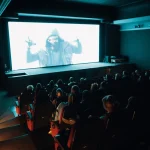
Renowned for penning classics like "Taxi Driver," Paul Schrader recently delved into a new realm of creativity—one dominated by artificial intelligence. At the "AI on the Lot" conference held in Culver City, Schrader, amidst the digital and creative minds at Amazon MGM Studios, shared his unique engagement with AI in filmmaking, which not only stirred the conventional palette but also hinted at the nuanced future of cinema.
Work revolution: Google reveals 90% of professionals are already using AI daily – are you one of them?
Gigantic 400-meter structures discovered beneath Antarctic ice spark heated debate among scientists worldwide
The Genesis of "The Collection Agent"
In an experiment tinged with both skepticism and curiosity, Schrader introduced ChatGPT, an AI developed by OpenAI, as "Alex Indigo" to the audience. Tasked with generating a film idea that would resonate with Schrader’s thematic and stylistic sensibilities, ChatGPT proposed "The Collection Agent." This concept revolves around a former anti-porn crusader turned debt collector, grappling with his past and a newfound obsession linked to a tragic event from two decades earlier. Schrader’s interaction with the AI didn’t stop there; he further explored character names and potential scenes, selecting "Elias Vane" as the protagonist, attracted by its biblical undertones and representative personal torment.
A Dialogue with Technology
Schrader’s keynote on the second day of the conference was more than just a revelation of AI’s capabilities; it was a deep dive into the philosophical and practical implications of AI in creative processes. He shared how quickly "Alex Indigo" spun out a movie idea, a task that typically takes him months of contemplation. This speed and efficiency presented by AI left Schrader pondering the traditional roles and methods in filmmaking, including the relevance of film schools in an age where AI can assume roles typically reserved for humans, from scoring music to generating plot ideas.
Industry Reactions and Speculations
Despite his pioneering exploration, Schrader expressed that his embrace of AI was met with mixed reactions from peers and fans alike, some of whom perceived this venture as a radical shift from traditional filmmaking. Yet, Schrader believes that AI’s ability to amalgamate existing ideas to create something new is not fundamentally different from what artists have always done. He speculated on the future roles AI might play, not just as a tool for enhancing special effects or revamping old intellectual properties but as a core creator capable of conceiving entirely original works.
The Future Foreseen by Schrader
Looking ahead, Schrader envisions a cinematic landscape where AI could potentially lead to fully autonomous creative entities—AI protagonists that might one day captivate audiences just as human actors do. This vision, though shared cautiously, highlights a transformative potential in AI, challenging traditional notions of creativity and authorship in the arts.
In his discussion, Schrader also highlighted practical uses of AI that could soon be commonplace, such as its application in mundane tasks like extras casting or more complex scenarios like scriptwriting. His narrative not only provided a glimpse into the evolving interface between technology and human creativity but also invited the industry to rethink its approach to the art and business of filmmaking. Through his insights, Schrader positioned AI not as a looming threat but as an inevitable evolution in the continuous saga of cinematic storytelling.
Similar Posts
- Paul Schrader Slams ‘Eyes Wide Shut’: Calls It ‘Sex Party Crazyland’ Just Before Christmas
- Markiplier’s ‘Iron Lung’ Insights: Key Lessons from His Latest Game Launch
- AI Slashes Costs but Can’t Spill the Tea: What Happens in Simple Filmmaking?
- Kristen Stewart Wins Maverick Award: Urges Bold Rebuild of Film Industry
- Indie Film Revolution 2026: How the Industry Will Transform

Claude Merritt explores the world of entertainment with a keen eye. From music to film, TV series, and popular culture, he covers celebrity news and American cultural trends with a lively and critical approach.