Work revolution: Google reveals 90% of professionals are already using AI daily – are you one of them?
Gigantic 400-meter structures discovered beneath Antarctic ice spark heated debate among scientists worldwide
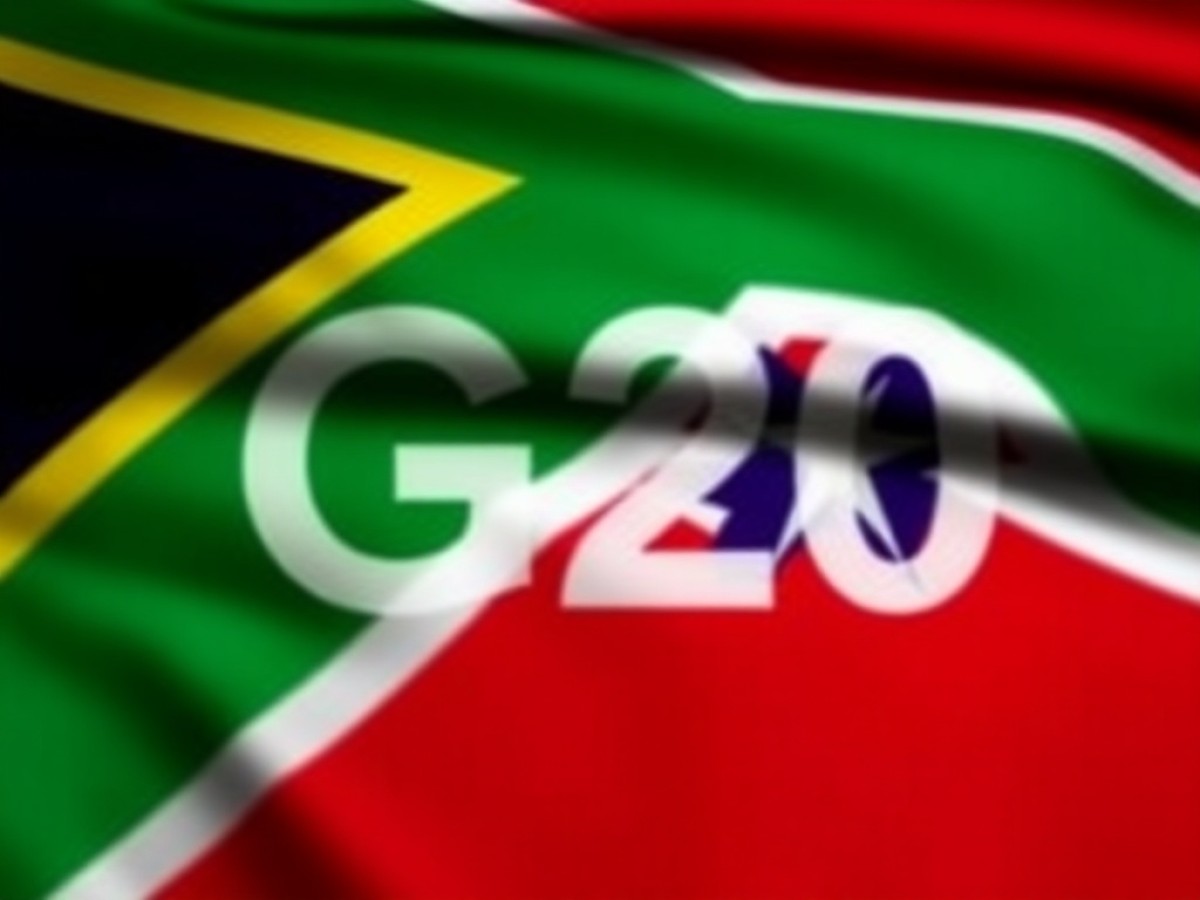
In a significant diplomatic rift, US President Trump’s declaration to exclude South Africa from the upcoming G20 summit has sparked widespread outrage. This decision marks a low point in the bilateral relations between the two nations, stirring concerns among international relations experts about the implications for global diplomatic norms.
South Africa’s government has vehemently opposed the US President’s move. Presidential spokesperson Vincent Magwenya emphasized that South Africa, as a fully democratic sovereign nation, strongly rejects any dismissive remarks about its role and status in international forums. Magwenya highlighted that South Africa’s G20 membership was affirmed by all members of the group and should be respected as such.
The Spark on Social Media
President Trump aired his grievances on his social media platform, “Truth Social,” where he reiterated his unverified claims that the white minority in South Africa is being persecuted. He also expressed discontent over South Africa’s refusal to symbolically hand over the G20 presidency to the United States during the last summit. Trump’s posts did not just criticize; they also threatened to cut all financial aid to South Africa.
Reacting to these allegations, Cyril Ramaphosa, South Africa’s President, stated through a spokesperson that the United States had voluntarily boycotted the recent G20 meeting in Johannesburg, which South Africa hosted successfully, culminating in a joint declaration by all attending members—a direct contradiction to Trump’s claims.
A Dangerous Precedent for the G20
Political scientists are alarmed by the potential ramifications of Trump’s decision. Kingsley Makhubela, a foreign policy expert, argued on the news channel eNCA that the US President does not possess the authority to unilaterally alter the composition of the G20 without consensus from other members. He warned that such actions could undermine the very foundation of multilateral forums like the G20, promoting unilateralism over cooperative global governance.
A YouTuber bought a Bugatti on TEMU expecting luxury… but the unboxing went terribly wrong
Colonizing Mars is no longer a dream: Elon Musk unveils a historic deadline that will change everything
Makhubela recommended that clarity be sought from the United States and encouraged other G20 nations to express their concerns, suggesting that failing to address this issue could lead to the degradation of the international cooperative body.
South Africa’s Resolute Stance
Despite the threats, South Africa remains determined to continue participating actively and constructively in the G20 discussions. Magwenya called on all G20 members to affirm the forum’s continuation in the spirit of multilateralism, based on consensus and equal participation in its structures.
South Africa’s hope for support from other G20 nations is not unfounded. The country’s ability to rally a unified stance among the members during the Johannesburg summit—despite the US boycott—signifies its diplomatic influence and commitment to multilateralism.
Similar Posts
- South Africa Blasts Imperialist Aggression: A Bold Stand Against Global Powers
- Praise for Ramaphosa’s Calm Leadership: Critics Voice Concerns Too
- Serious Allegations Cast Shadow Over White House Meeting: Details Emerge
- South Africa Bows to Trump: Key Concessions Revealed in New Deal
- Namibia Says No to Starlink: What Led to the License Denial?

Lowell Hagan closely follows international affairs. From geopolitical conflicts to economic cooperation, he provides context to help readers better understand global dynamics. His clear, structured style gives meaning to global news.