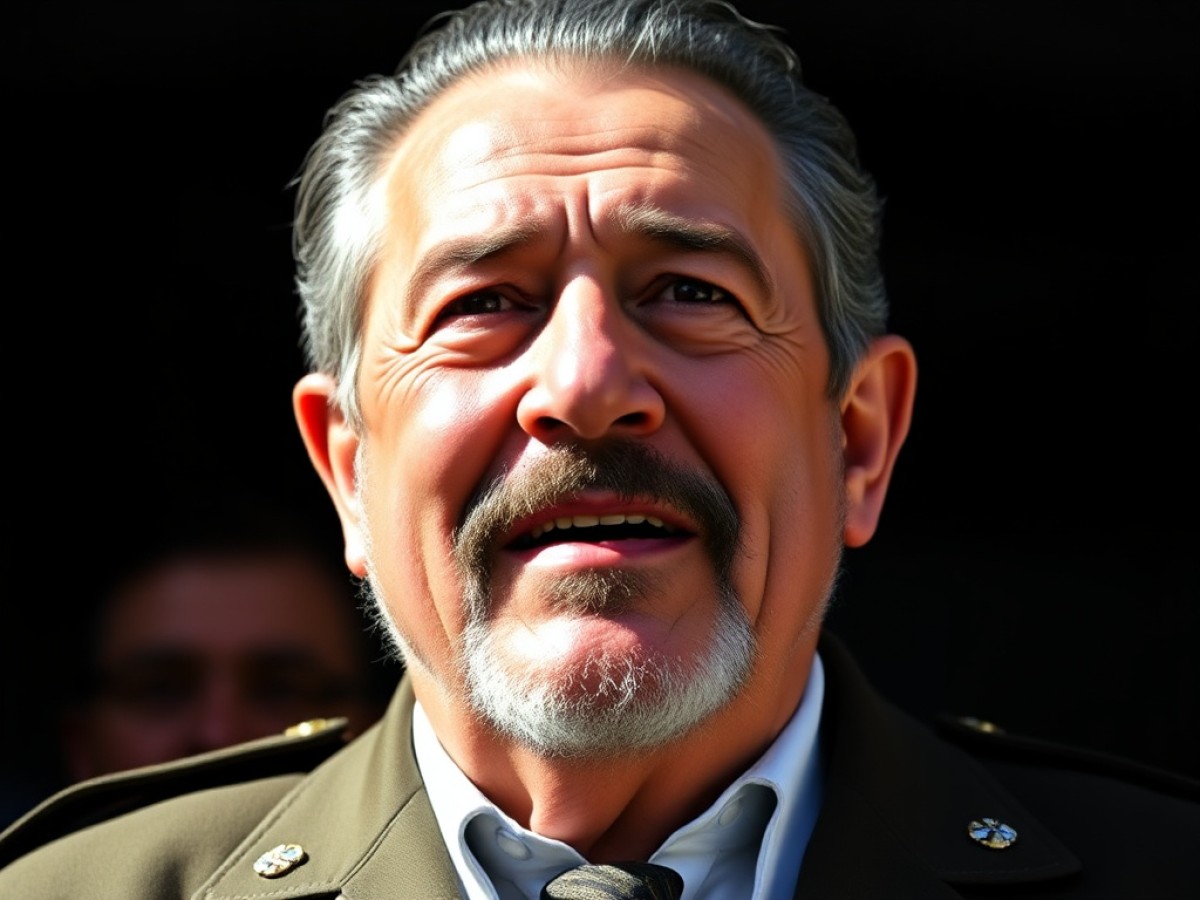
In a significant move by the U.S. Justice Department, former Cuban President Raúl Castro is facing legal charges over his alleged involvement in a decades-old incident that left four individuals dead. The case pertains to the downing of two small civilian aircraft by Cuban fighter jets in February 1996. These aircraft were operated by “Brothers to the Rescue,” an organization based in Miami that aided Cuban refugees attempting to flee to America by sea. At the time, Castro held the position of Defense Minister in Havana before later ascending to the presidency.
Work revolution: Google reveals 90% of professionals are already using AI daily – are you one of them?
Gigantic 400-meter structures discovered beneath Antarctic ice spark heated debate among scientists worldwide
Justice Todd Blanche stated that the 94-year-old Castro supervised a command chain that led to the tragic event. The legal action claims Castro is responsible for the destruction of aircraft and four counts of murder, with the official filing taking place in a Florida court. The Cuban government has consistently justified these actions as a defense of its airspace, though international investigations concluded the incident occurred over international waters.
As this case unfolds, Raúl Castro’s last public appearance was earlier in the month, with no indications of him leaving Cuba or being extradited by the Cuban government. Justice Blanche expressed a firm expectation for Castro to face trial in the U.S., stating he should present himself “either voluntarily or otherwise,” without further details on the means of ensuring his appearance.
Simultaneously, current U.S. President Donald Trump has taken a hard stance on Cuba, labeling it a “rogue state” and asserting that the U.S. plans to “liberate” Cuba. These comments follow his administration’s measures aimed at expanding U.S. influence across the Americas. In response, Cuban President Miguel Díaz-Canel dismissed the lawsuit against Castro as baseless, attributing it to U.S. frustration and asserting the strength of his leadership.
Further complicating matters, U.S. Secretary of State Marco Rubio announced a $100 million aid proposal to Cuba, blaming the Cuban leadership for shortages of electricity, food, and fuel. Cuban Foreign Minister Bruno Rodriguez criticized the offer as cynical, given the ongoing U.S. economic embargo against Cuba, though he did not reject the aid outright.
These developments bear a resemblance to the U.S. government’s past actions against Venezuelan President Nicolas Maduro, who was charged with drug trafficking offenses, which later justified a military operation leading to his capture and extradition to New York. Trump hinted at potential military actions against Cuba following the Venezuela operation, suggesting Cuba might be “next in line.” President Díaz-Canel warned that any military intervention by the U.S. could result in significant bloodshed.
The unfolding situation raises significant questions about international relations and justice as the U.S. continues to assert its geopolitical influence in the region.
Similar Posts
- Deadly Gunfight Off Cuba’s Coast: Tensions Escalate in Caribbean Waters
- End ICE Now: Democratic Congressman Urges Following Minneapolis Murder
- South Africa Blasts Imperialist Aggression: A Bold Stand Against Global Powers
- Trump’s Critical Mission: The Urgent Search for Missing US Soldier
- Two Former Defense Ministers Sentenced to Death: Shocking Verdict Revealed

Lowell Hagan closely follows international affairs. From geopolitical conflicts to economic cooperation, he provides context to help readers better understand global dynamics. His clear, structured style gives meaning to global news.