Recent Maritime Tensions in the Strait of Hormuz
In a significant rise in maritime tensions, Iran’s Revolutionary Guards have reportedly seized two ships in the strategic Strait of Hormuz, according to state television. These vessels, identified as the “MSC Francesca” flying the Panamanian flag and the “Epaminondas” under the Liberian flag, are being transported to Iran. This aggressive move follows the recent seizure of two Iranian ships by the U.S., to which Iran had vowed retaliation.
Work revolution: Google reveals 90% of professionals are already using AI daily – are you one of them?
Gigantic 400-meter structures discovered beneath Antarctic ice spark heated debate among scientists worldwide
Initial Reports of Ship Attacks
Before Iran’s confirmation, the British maritime trade authority UKMTO had already reported the attacks. A Liberian-flagged container ship, authorized to pass through the Strait of Hormuz, first came under fire 15 nautical miles off Oman’s coast, sustaining significant damage. The captain reported that an Iranian Revolutionary Guard boat approached them and opened fire without radio warning, targeting the ship’s bridge.
Shortly after the first incident, a second attack was reported by UKMTO involving another freighter leaving an Iranian port, which was fired upon and halted about eight nautical miles west of Iran.
Further Escalation with a Third Ship
Amid these incidents, a third ship also reportedly fell victim to aggression in the same region. The UK-based security firm Vanguard, specializing in maritime security, indicated that another Panamanian-flagged freighter was attacked six nautical miles off the Iranian coast. The ship reported damages to its hull and living quarters after being forced to anchor by the Iranian guards. The exact status of this ship, whether seized or not, remains unclear.
The continuous threats and attacks by Iran have brought shipping activities in the crucial Strait of Hormuz to a near standstill. In response, the U.S. has initiated a blockade of Iranian ports. Despite a recent extension of a ceasefire announced by U.S. President Donald Trump, tensions in the region show no signs of abating.
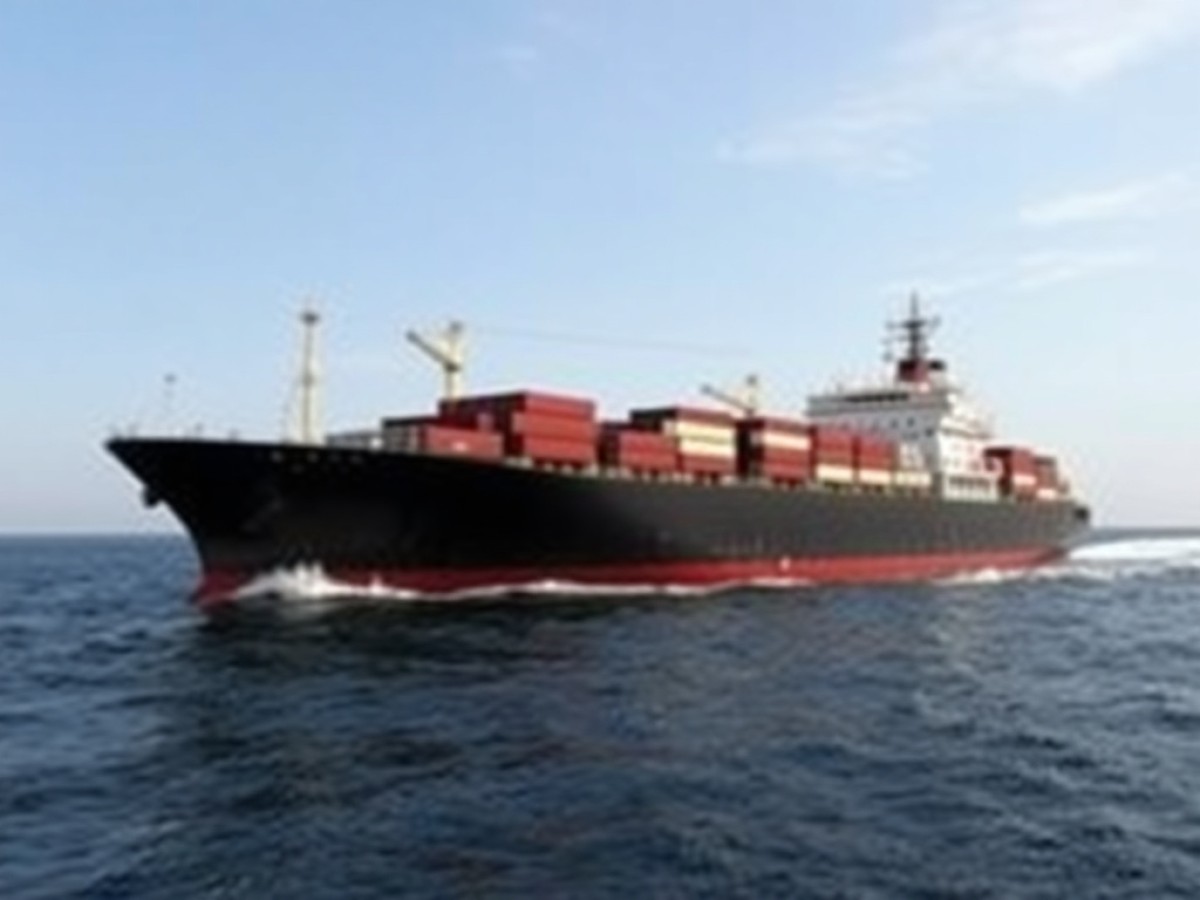
The Liberian-flagged ‘Epaminondas’, now under Iranian control, in an archive image.
These developments mark a significant escalation in the strategic waterway, often seen as a barometer for regional tensions involving major world powers and oil markets. The international community continues to monitor these events closely, given their potential to affect global shipping routes and international diplomacy.
Similar Posts
- US Continues Strikes; Iran Targets Oil Tanker in Escalating Conflict
- USA-Iran Tensions Escalate Despite Recent Agreement: What’s Next?
- Trump Announces Naval Blockade on Iran: A Bold New Strategy
- Iran Launches Strikes Across Multiple Gulf States: Tensions Escalate
- Iran Rejects Ceasefire Proposal: Tensions Escalate in Middle East

Lowell Hagan closely follows international affairs. From geopolitical conflicts to economic cooperation, he provides context to help readers better understand global dynamics. His clear, structured style gives meaning to global news.