A Resurgent Threat in Mali: An Overview of Recent Conflicts
The stability of Mali, a nation long beleaguered by internal strife, seemed momentarily assured following a series of attacks over the weekend. However, these incidents suggest a significant shift in the tactics of the opposing forces, catching even the military junta off guard.
Work revolution: Google reveals 90% of professionals are already using AI daily – are you one of them?
Gigantic 400-meter structures discovered beneath Antarctic ice spark heated debate among scientists worldwide
This recent wave of violence represents the most coordinated assault since 2012, signaling a new phase in Mali’s protracted conflict. These developments have not only surprised the existing military regime but have also indicated a novel operational synergy between jihadist and Tuareg rebel forces, aimed at overthrowing the government.
Unlikely Allies Join Forces
Historically adversaries, the jihadist militia Jama’at Nusrat al-Islam wa-l-Muslimin (JNIM) and the Tuareg-led rebel alliance FLA have claimed joint responsibility for the recent onslaught. This collaboration marks a pivotal moment in the conflict dynamics within Mali. JNIM, an Al-Qaeda affiliate in West Africa established in 2017, has been gaining traction in the region, aspiring to establish a caliphate across West Africa. With up to 7,000 fighters, their influence spans Mali and extends into neighboring Burkina Faso and Niger, with footholds now forming in Benin, Togo, Ivory Coast, and Nigeria.
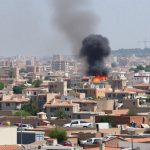
The attacks, characterized by unprecedented coordination and the use of advanced weaponry like drones, targeted various strategic locations across Mali, including military bases and key infrastructural points in cities such as Kati and the capital, Bamako.
A Blow to Mali’s Military Leadership
Among the high-profile targets were the residences of Mali’s defense minister, Sadio Camara, and the leader of the military junta, Assimi Goita. The assault led to the death of Minister Camara, confirmed by the government, marking a significant blow to the junta’s leadership. The rebels have since claimed control over the northern city of Kidal.
Implications for Mali’s Junta
The military government, which seized power through coups in 2020 and again in 2021, promised to stabilize the country and improve security. Contrary to their assurances, the situation has deteriorated, with the recent attacks further weakening the already fragile regime. Despite their efforts, including imposing a fuel blockade by the end of 2025, the junta’s adversaries sense vulnerability, prompting a new wave of violence intended to destabilize the government further.
Observers remain skeptical about the jihadists’ ability to maintain control over major cities like Bamako, despite their recent advances.
Russian Involvement and Its Limitations
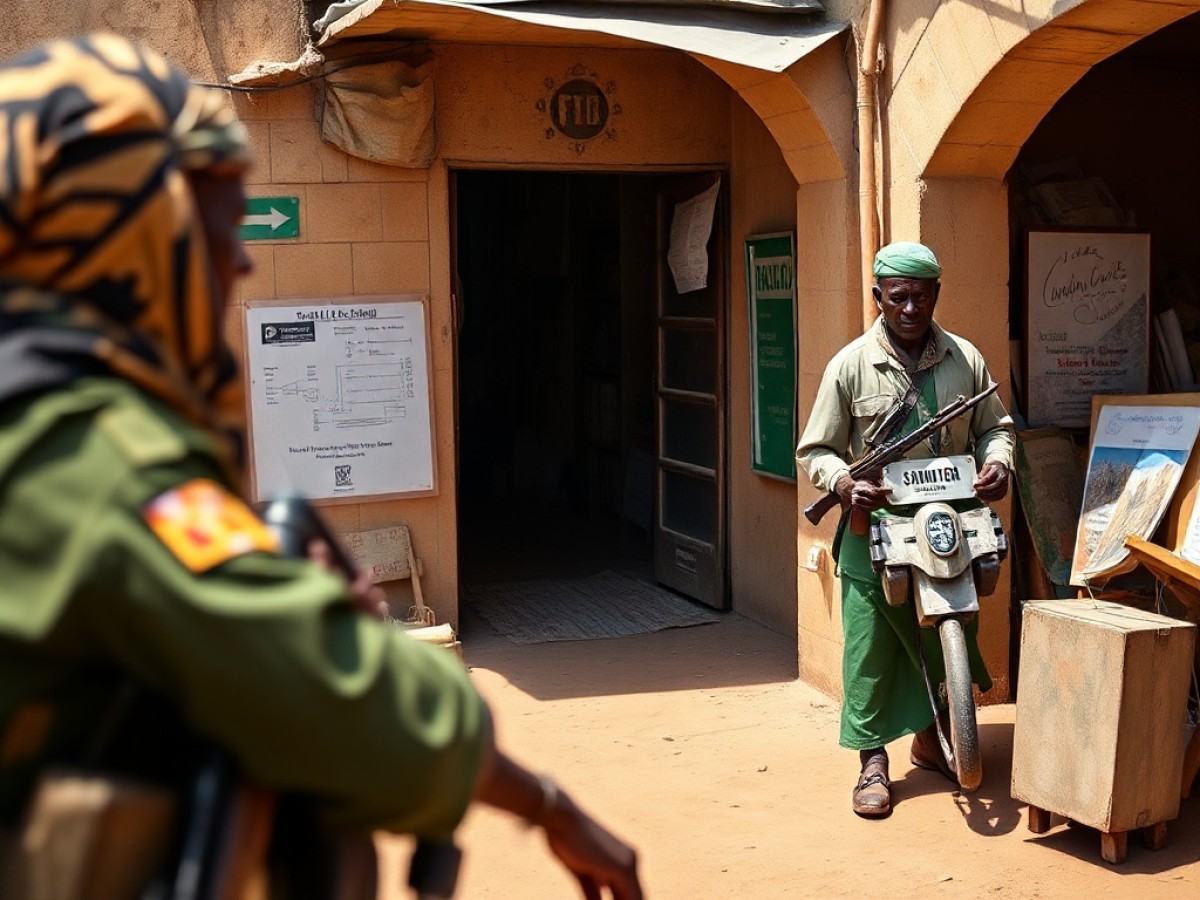
The Malian army has been supported by the “Africa Corps,” a paramilitary unit that succeeded the former Wagner Group, in combating these terror militias. Over the recent weekend, this Russian-backed force was notably ineffective, lacking prior intelligence and visibility, which led to their withdrawal from the northern regions, a stark indication of their failure in this conflict.
Following a break in diplomatic ties with former colonial power France and other Western nations, the Malian military government has increasingly relied on Russian support, which this recent conflict has put to the test.
A YouTuber bought a Bugatti on TEMU expecting luxury… but the unboxing went terribly wrong
Colonizing Mars is no longer a dream: Elon Musk unveils a historic deadline that will change everything
The aftermath of the weekend’s attacks has momentarily quieted the capital, Bamako, and other regions. However, this lull might be deceptive, potentially setting the stage for further upheavals as the junta appears significantly weakened.
As Mali grapples with these multifaceted challenges, the international community watches closely, concerned about the potential implications for regional stability and security.
Similar Posts
- Wagner’s Presence Exacerbates Security Crisis in Mali: What You Need to Know
- 60 Killed in Nigeria: Jihadist Attack Devastates Village
- Afghanistan and Pakistan Strike Ceasefire Agreement: Details Inside
- At Least 89 Killed in Syrian Clashes: A Deadly Escalation Unfolds
- Over 100 People Kidnapped by Jihadists: A Rising Crisis Unfolds

Lowell Hagan closely follows international affairs. From geopolitical conflicts to economic cooperation, he provides context to help readers better understand global dynamics. His clear, structured style gives meaning to global news.