Work revolution: Google reveals 90% of professionals are already using AI daily – are you one of them?
Gigantic 400-meter structures discovered beneath Antarctic ice spark heated debate among scientists worldwide
Immediate Aftermath and Regional Tensions
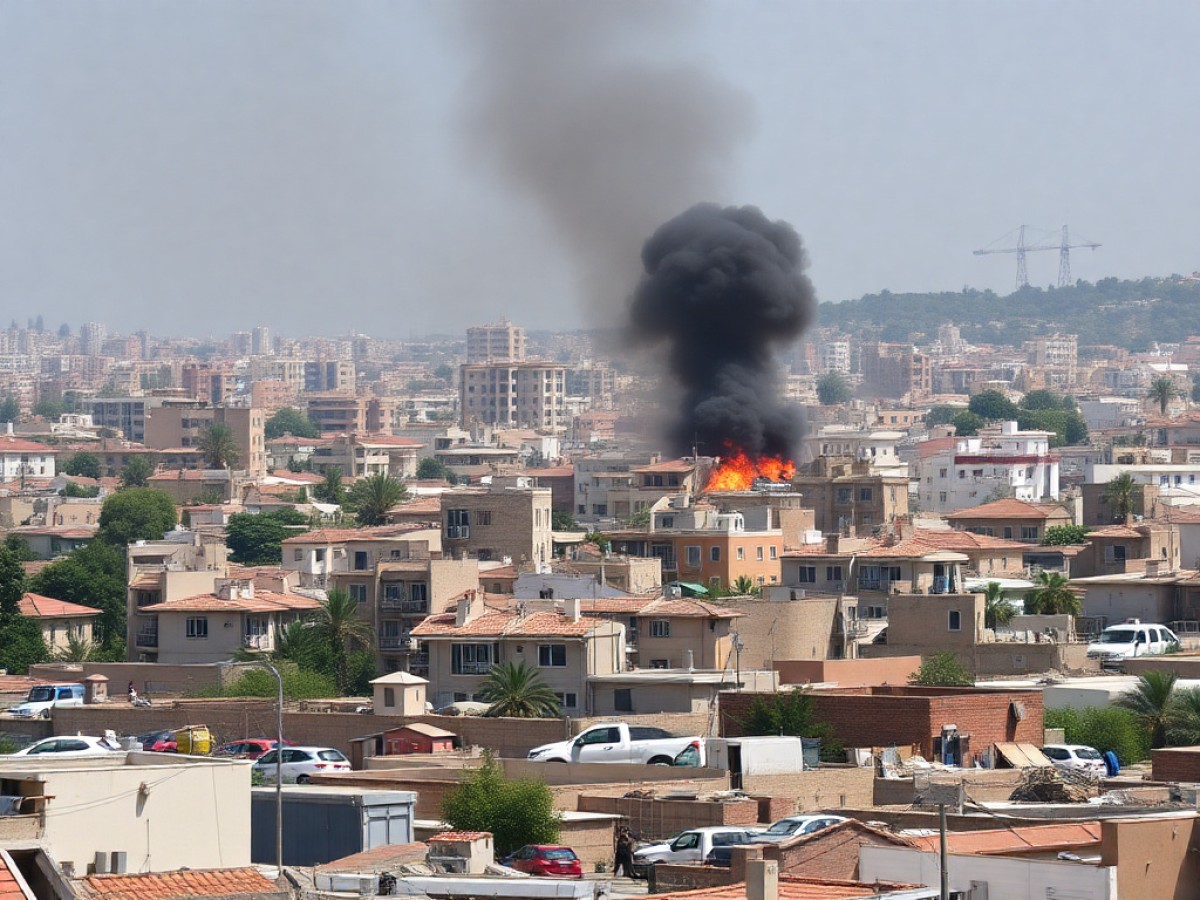
In a surprising escalation of violence, Israeli air forces targeted a suburb of Beirut, marking the first such attack since a ceasefire had been declared three weeks prior. The strike, which took place around 8 PM local time, was aimed at a commander of the Hezbollah militant group’s elite Radwan unit, according to statements from Israeli Prime Minister Benjamin Netanyahu and Defense Minister Israel Katz.
The Strike’s Impact on Local Civilians
Residents of Beirut’s suburbs experienced sudden terror as the attack unfolded, with loud explosions sending shockwaves through the area. Panic ensued on the streets and many sought immediate refuge, abandoning their vehicles and fleeing their homes. “We ran down the stairs and escaped as soon as we heard the explosions,” one local told reporters, highlighting the chaos that gripped the area following the bombardment.
A YouTuber bought a Bugatti on TEMU expecting luxury… but the unboxing went terribly wrong
Colonizing Mars is no longer a dream: Elon Musk unveils a historic deadline that will change everything
Details on the Strike and Hezbollah’s Response
The Israeli military dropped around ten heavy bombs during the operation, which did not come with any prior warning, as cited by ARD correspondent Moritz Behrendt. The target, identified as Malek Balut along with his deputy and several fighters from his unit, were reportedly eliminated in this precision strike. The operation was based on specific intelligence provided by Israeli security agencies. Following the attack, Hezbollah sources confirmed to news agencies that a commander was indeed killed, later identified as Balut.
Continued Violence Despite Ceasefire
Despite the official ceasefire between Hezbollah and Israel, there have been almost daily exchanges of fire. The situation has been particularly tense since early March when the conflict reignited due to rockets being fired from Lebanese territory into Israel. This provoked a series of Israeli airstrikes and ground operations in southern Lebanon, leading to intense clashes near the border.
Israel’s Heightened Security Measures
In anticipation of further escalations, Israel has ramped up its security readiness, particularly in the northern regions close to Lebanon. The uncertainty and fear of more violence loom large for residents in these areas, keeping tensions high on both sides of the border.
Similar Posts
- Israel’s Latest Strikes in Lebanon: Death and Injury Toll Rises
- Israel Faces Its Most Challenging Period Ever: Citizens Reflect on Crisis
- Israeli Strikes Continue in Gaza Despite Ceasefire: Tensions Escalate
- US Displeasure Over Military Strike in Qatar: Tensions Escalate
- Israel Discovers Remains of Missing Soldier Ran Gvili: Nation Reacts

Lowell Hagan closely follows international affairs. From geopolitical conflicts to economic cooperation, he provides context to help readers better understand global dynamics. His clear, structured style gives meaning to global news.