Work revolution: Google reveals 90% of professionals are already using AI daily – are you one of them?
Gigantic 400-meter structures discovered beneath Antarctic ice spark heated debate among scientists worldwide
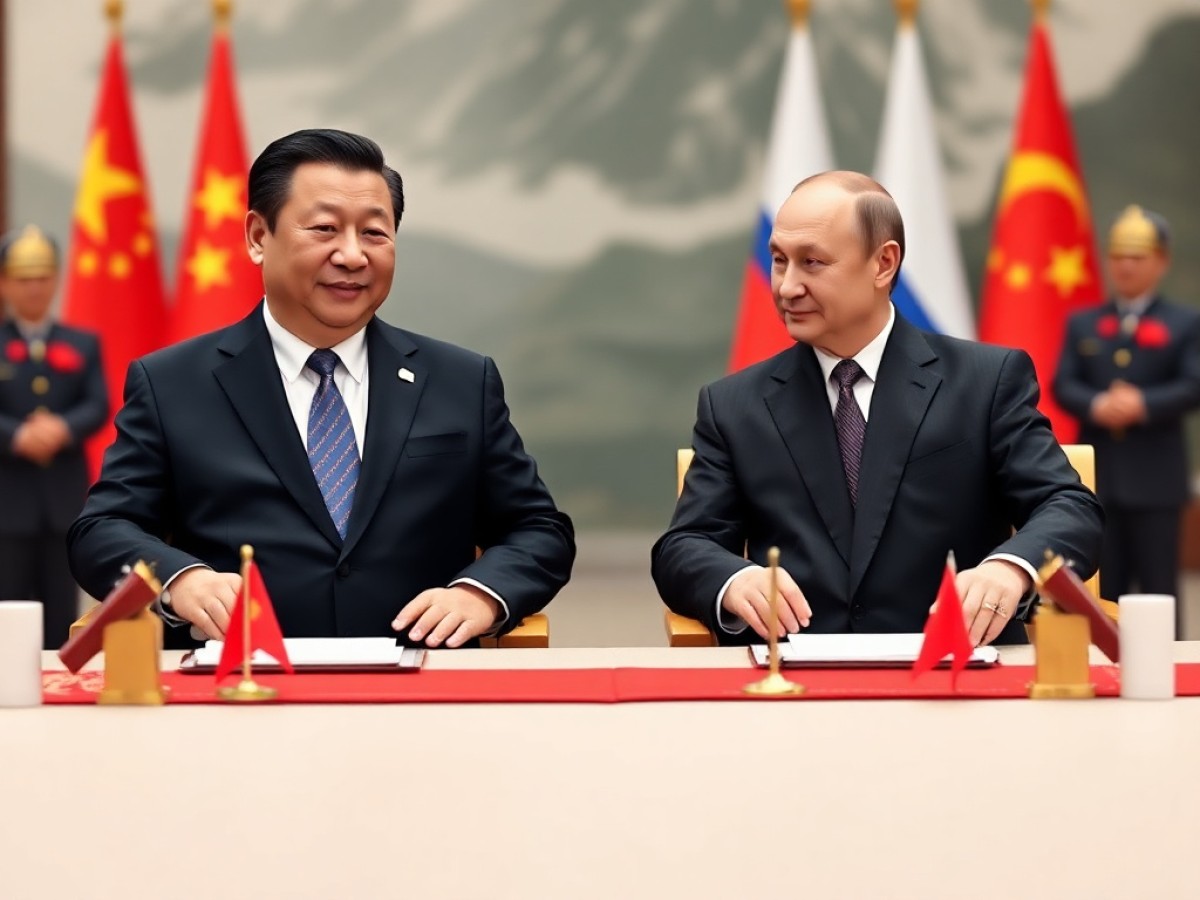
During the state visit in Beijing, Xi Jinping and Vladimir Putin showcased a strong alliance, though they left some matters like the gas pipeline deal unresolved.
Shortly after Donald Trump’s visit, Xi Jinping, China’s President, and Vladimir Putin, Russia’s President, met in Beijing to reinforce their bond and ink numerous trade and energy agreements.
During their discussions at the Great Hall of the People, Xi commented on the deepening strategic cooperation between China and Russia, subtly criticizing unilateral and hegemonic trends, likely alluding to the United States.
A YouTuber bought a Bugatti on TEMU expecting luxury… but the unboxing went terribly wrong
Colonizing Mars is no longer a dream: Elon Musk unveils a historic deadline that will change everything
Focus on Energy Cooperation
Putin highlighted the energy sector as a key driver of economic ties between the two nations. He emphasized Russia’s role as a reliable supplier amidst the Middle Eastern crisis, while China continues to be a responsible consumer. This comment also hinted at the ongoing conflicts involving the USA and Israel against Iran and the blockade of the crucial Hormuz Strait for oil trade.
Xi, according to Chinese state media, stressed the need for an immediate cessation of hostilities in the Middle East, suggesting that peace would stabilize energy supplies and the global industrial and trading systems.
Russia’s Economic Dependence on China
It’s well acknowledged that Russia’s economy is significantly more reliant on China than vice versa. Post-western sanctions due to the Ukraine conflict, China has become a vital economic ally for Russia, being the largest global consumer of Russian fossil fuels.
Muted Remarks on Ukraine
The joint statement on the summit outcomes contained only reserved comments about Russia’s aggression in Ukraine. It mentioned support for efforts contributing to long-lasting peace, negotiated through dialogue. There was no call from China for an end to the Russian offensive.
Instead, Russia praised China’s “objective and unbiased stance” on the conflict, reiterating a common Russian narrative about addressing the “root causes” of the Ukrainian crisis, including Kyiv’s aspiration for NATO membership.
No Agreement on Planned Pipeline
Regarding the “Power of Siberia 2” gas pipeline project, while there has been progress, no final agreement was reached. Kremlin spokesperson Dmitri Peskov mentioned a “basic understanding” about the route and construction methods, but a clear timeline remains undefined.
This pipeline, extending approximately 2600 kilometers from the Yamal Peninsula through Mongolia to China, is expected to transport 50 billion cubic meters of gas annually. Despite its potential to replace European gas supplies, Beijing has shown hesitance, contrasting with the operational “Power of Siberia” pipeline since 2019.
Similar Posts
- Klingbeil’s Concerns Meet China’s Promises: A Deep Dive into Diplomatic Assurances
- Autocrats Converge in Beijing for Military Parade: Global Power Showcased
- China Considers Sending Peacekeepers to Ukraine: What This Means for Global Politics
- Putin Disregards Ukraine’s Unilateral Ceasefire, Says Zelensky: Tensions Escalate
- Putin Admits to Fuel Shortages Amid Crisis: Details Inside

Lowell Hagan closely follows international affairs. From geopolitical conflicts to economic cooperation, he provides context to help readers better understand global dynamics. His clear, structured style gives meaning to global news.