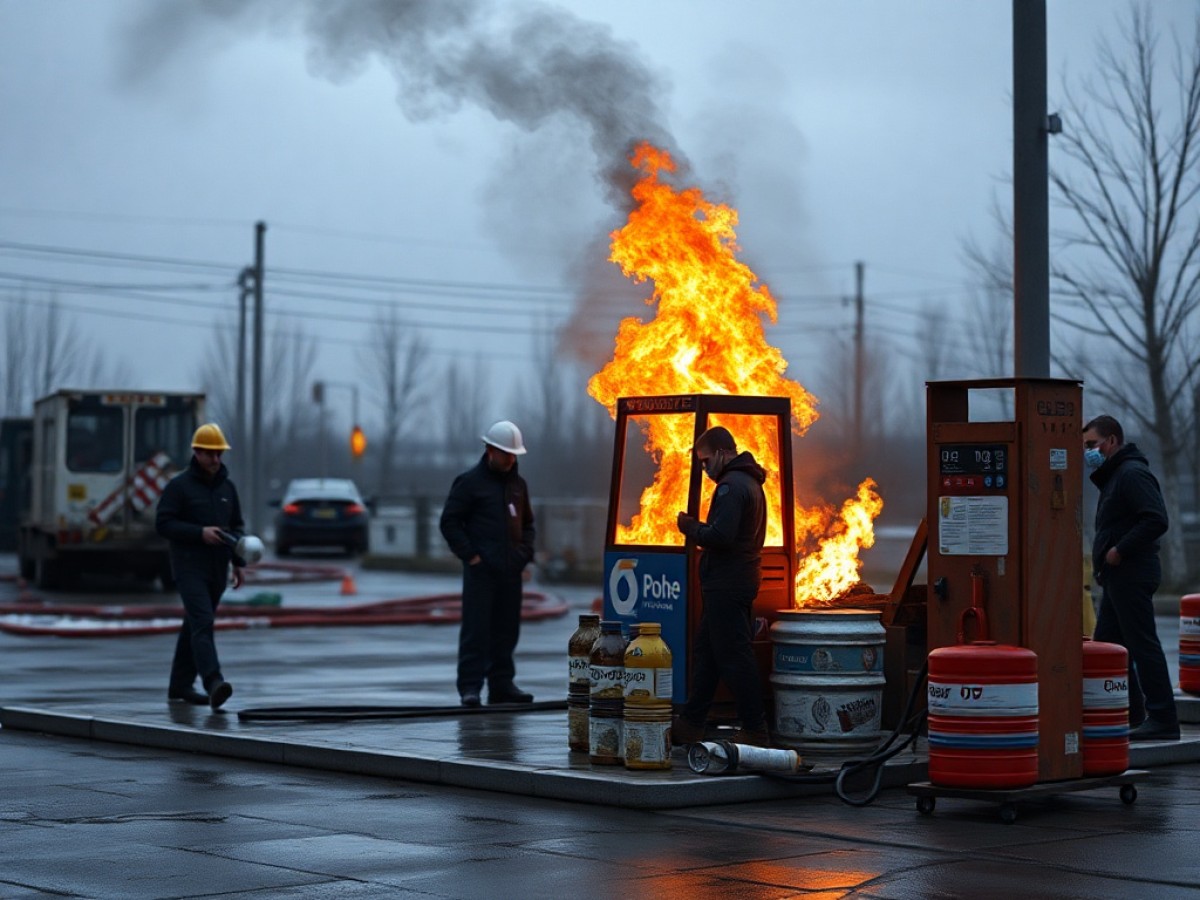
Exploring the Fuel Crisis in Russian-Occupied Regions
In recent developments, the effects of Ukraine’s counter-assaults on Russian oil facilities are becoming apparent, with significant fuel shortages now affecting both the Crimea and Luhansk regions. These territories, under Russian control, are experiencing tightened fuel rationing as local authorities scramble to manage dwindling supplies amid increased demand and disrupted deliveries.
Work revolution: Google reveals 90% of professionals are already using AI daily – are you one of them?
Gigantic 400-meter structures discovered beneath Antarctic ice spark heated debate among scientists worldwide
Stringent Fuel Rationing Hits Luhansk
In the occupied territory of Luhansk, residents are now facing strict fuel rationing. The introduction of limits on the purchase of petrol and diesel was a direct response to the escalated demand for fuel, which has surged in recent days. According to reports from Tass, a state-run Russian news agency, these restrictions cap the amount of fuel one can purchase at 20 liters, whether they opt for AI-95 (comparable to Europe’s Super grade) or AI-92 (Regular), and diesel.
Authorities have described these measures as temporary, asserting they are necessary due to the current inventory levels and the recent spike in fuel demand. This strategy mirrors actions taken in other Russian-controlled areas, hinting at a broader issue of resource scarcity affecting the occupied regions.
The Crisis Extends to Crimea
Similarly, the Crimea Peninsula, annexed by Russia in 2014 in a move widely regarded as a violation of international law, also witnessed the imposition of temporary gasoline restrictions. This initiative started over the weekend when local authorities decided to limit fuel dispensation, a move prompted by Ukrainian drone strikes. These aerial attacks have effectively hampered the supply chains from adjacent Russian-held territories, leading to an immediate impact on fuel availability in Crimea.
In response to the tightening fuel situation, the Russian government has taken unprecedented steps by halting the export of kerosene until the end of November. This decision aims to stabilize the domestic fuel market and ensure sufficient availability within the country, indicating the severity of the crisis and the potential for long-term implications if the supply issues are not resolved.
As the situation develops, these areas remain under close observation, with the local populations bracing for the potential prolongation of these restrictions amid ongoing military and geopolitical tensions.
Similar Posts
- Putin Admits to Fuel Shortages Amid Crisis: Details Inside
- Ukraine’s Stolen Grain Crisis: What You Need to Know
- Ukrainian Drones Strike Russian Oil Facilities: Escalation in Conflict
- Numerous Casualties in Mutual Attacks: Conflict Escalates
- Ukraine Drone Attack Claims Multiple Lives: Breaking Details Revealed

Lowell Hagan closely follows international affairs. From geopolitical conflicts to economic cooperation, he provides context to help readers better understand global dynamics. His clear, structured style gives meaning to global news.