Work revolution: Google reveals 90% of professionals are already using AI daily – are you one of them?
Gigantic 400-meter structures discovered beneath Antarctic ice spark heated debate among scientists worldwide
Europe Takes a Stand in Hormuz
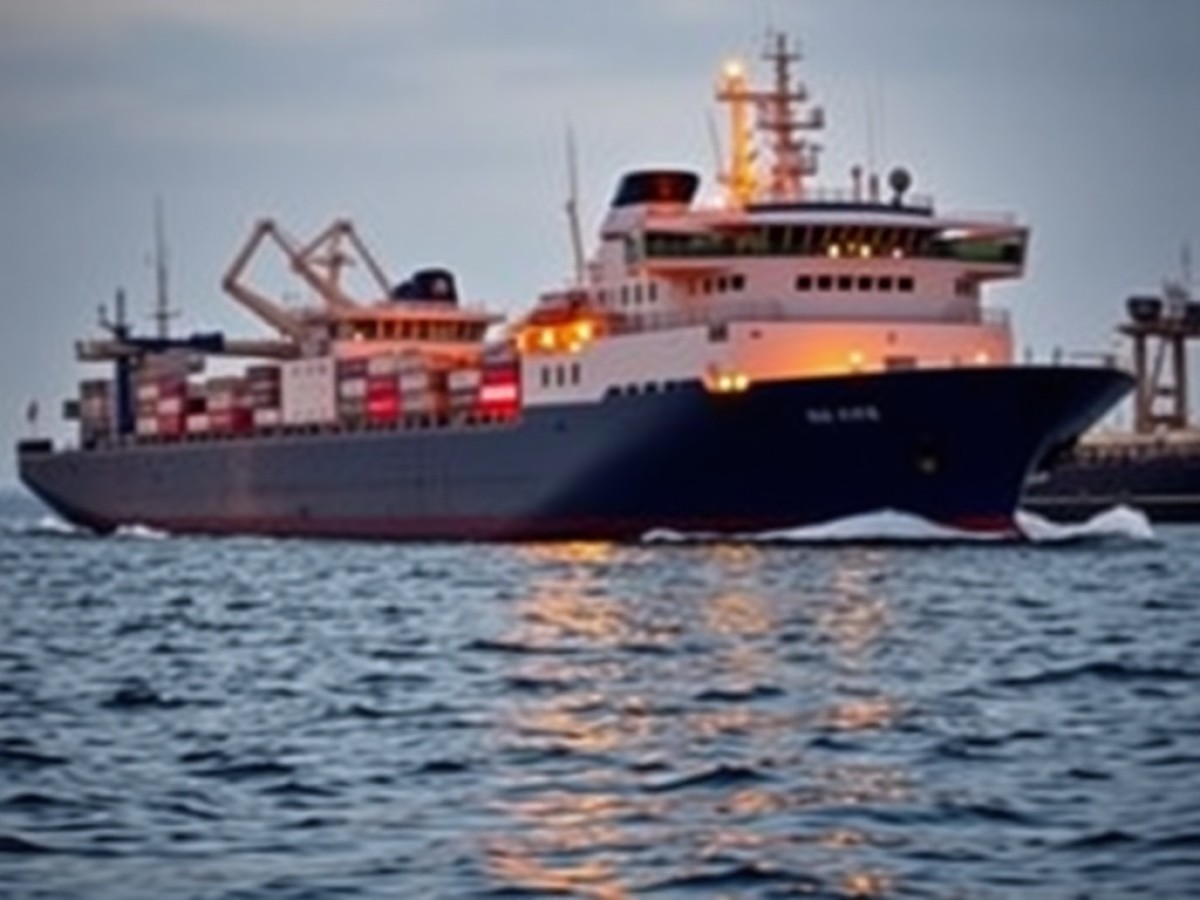
Following a recent agreement aimed at ending the conflict with Iran, major European nations have expressed their willingness to partake in a strictly defensive mission to secure the Strait of Hormuz. This initiative, described in a joint statement by leaders including Germany’s Chancellor Friedrich Merz and French President Emmanuel Macron, is seen as an opportunity to stabilize both the region and the global economy.
Details Awaited at G7 Summit
At the G7 summit held in Évian, France, global leaders are keenly awaiting further details from U.S. President Donald Trump regarding the new strategy for the Strait of Hormuz, a crucial maritime passage for oil transportation. The summit anticipates clarifications on the agreement and its implications for international shipping lanes.
A YouTuber bought a Bugatti on TEMU expecting luxury… but the unboxing went terribly wrong
Colonizing Mars is no longer a dream: Elon Musk unveils a historic deadline that will change everything
France’s Proactive Military Posture
President Macron has signaled that France, along with its Western allies, is ready to act swiftly to support the agreement. He mentioned that French naval assets, including a carrier strike group, are already positioned nearby and could be operational shortly after the deal is formalized by the U.S. and Iran.
Preparations for such a military mission were set in motion as early as April during a summit in Paris, which saw the alignment of Europe and its allies on potential military strategies in the event of conflict cessation.
Trump’s Take on the Situation
President Trump has downplayed the need for extensive international assistance in the region, suggesting that the Strait of Hormuz will soon be clear of threats without significant foreign aid. “The strait is essentially navigable,” Trump stated, hinting at ongoing efforts to clear a few remaining mines.
Iran’s Firm Stance Against Foreign Military Presence
Despite these diplomatic and military maneuvers, Iran has expressed strong opposition to any foreign military presence in the Strait of Hormuz. High-ranking Iranian officials have communicated that any external involvement in maritime security or mine clearance would be unacceptable, highlighting a significant hurdle in the path to lasting peace and stability in the region.
Reported by Georg Schwarte, ARD-Hauptstadtstudio, currently in Evian
Similar Posts
- Trump Believes a Deal with Iran is Highly Likely: What’s Next for Diplomacy?
- Trump Announces Breakthrough Deal with Iran: A Major Shift in Diplomacy
- Iran Rejects Ceasefire Proposal: Tensions Escalate in Middle East
- USA-Iran Tensions Escalate Despite Recent Agreement: What’s Next?
- Oman’s Strategic Balancing Act: Navigating Tensions in a Volatile Region

Lowell Hagan closely follows international affairs. From geopolitical conflicts to economic cooperation, he provides context to help readers better understand global dynamics. His clear, structured style gives meaning to global news.