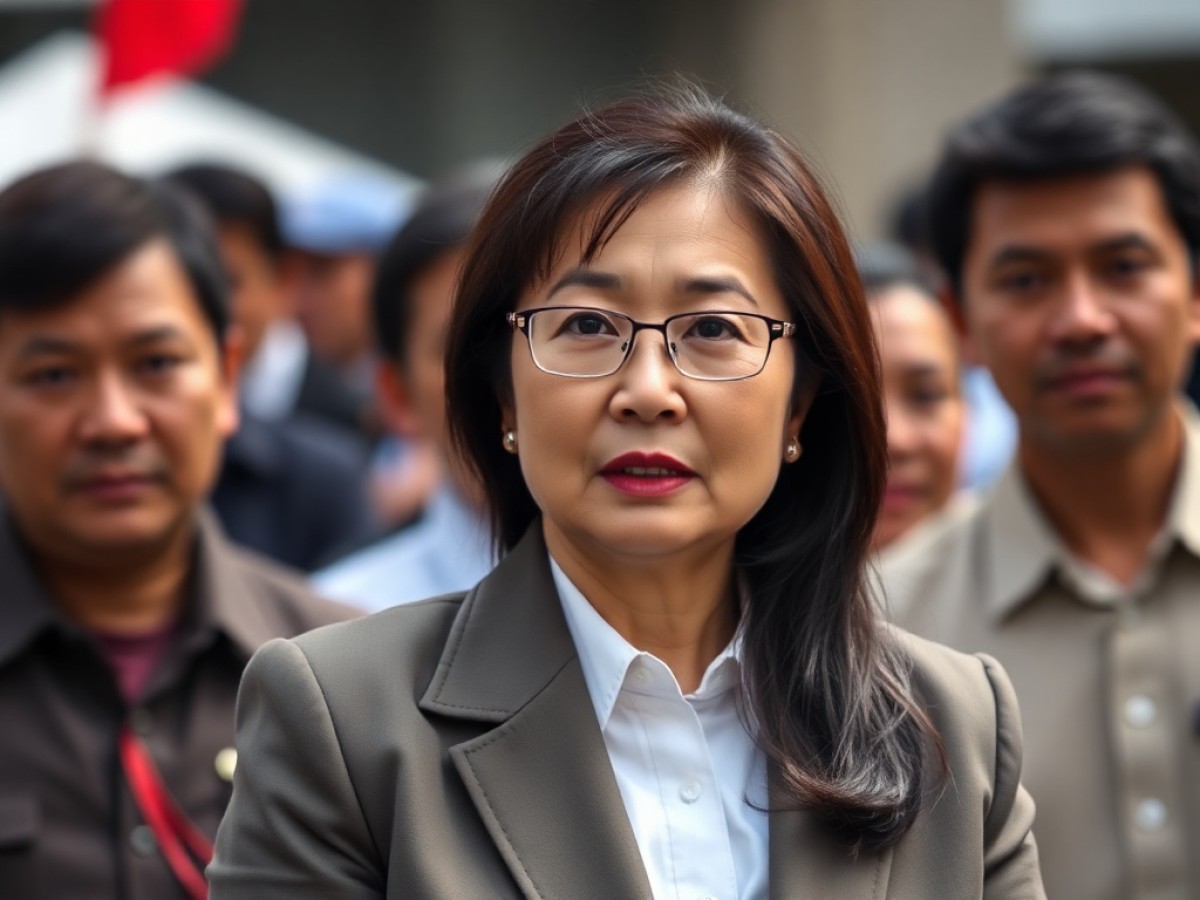
As Keiko Fujimori steps into the presidency in Peru, her ascent is marked by both anticipation and apprehension among the populace. The daughter of former President Alberto Fujimori, Keiko carries a heavy legacy—one colored by her father’s authoritarian rule and subsequent human rights abuse convictions. Yet, she also embodies the hopes of many seeking respite from escalating crime and economic instability.
Work revolution: Google reveals 90% of professionals are already using AI daily – are you one of them?
Gigantic 400-meter structures discovered beneath Antarctic ice spark heated debate among scientists worldwide
The Fujimori Political Dynasty: Continuity and Change
Alberto Fujimori, Keiko’s father, is remembered for his drastic measures against the Shining Path guerrillas during his presidency in the 1990s. Despite his efforts in quelling insurgency, his tenure was marred by corruption and human rights violations, leading to his imprisonment. Keiko, inheriting her father’s political mantle, has never fully denounced his actions, focusing instead on reinforcing her political base through her party, Fuerza Popular.
Under her leadership, Fuerza Popular has grown into a formidable force, accused by critics of undermining the judiciary and legislative independence. Keiko’s political strategy mirrors her father’s, emphasizing neoliberal economic policies, bolstering private investment, and promising stern measures against organized crime—a persistent issue that continues to plague Peru.
A Nation’s Cry for Security and Stability
In the bustling district of Gamarra, Lima, where textile businesses thrive amidst a backdrop of criminal extortion, locals like Carlos Choque express a yearning for basic security—a plea that has become a central theme in Peruvian politics. “All we ask from the government is security, nothing more,” Choque asserts, highlighting the government’s failure to protect its citizens from rampant criminal activities.
Political Turbulence and Public Skepticism
Keiko’s inauguration marks her as the ninth president to take office in a decade, a testament to Peru’s volatile political landscape. Her repeated bids for presidency, marred by allegations of irregularities, reflect a controversial path to power. Despite the challenges, her electoral success offers her an opportunity to steer Peru towards recovery and rectify the errors of past administrations.
The Anti-Fujimorismo Movement and the Quest for Reconciliation
A YouTuber bought a Bugatti on TEMU expecting luxury… but the unboxing went terribly wrong
Colonizing Mars is no longer a dream: Elon Musk unveils a historic deadline that will change everything
Despite distancing herself from certain aspects of her father’s regime, Keiko has not outright condemned his political legacy, which has polarized public opinion and fueled the Anti-Fujimorismo movement. This opposition underscores the deep divisions within Peruvian society, which sociologist Fernando Tuesta notes, have been exacerbated by Keiko’s attempts to consolidate power around her party.
Keiko’s promise of reconciliation is seen as crucial to healing a nation still traumatized by the terror inflicted by the Shining Path. Citizens like Blanca Romero, despite reservations, see no alternative but to support Keiko, hoping she can bring much-needed stability and order.
Facing the Future: Expectations and Responsibilities
As Keiko Fujimori takes on her role, the expectations are manifold. She must navigate her controversial familial legacy, address the pressing security concerns, and foster economic and social stability. Her presidency is not just a test of her leadership but also a litmus test for the resilience of Peru’s democratic institutions.
While some like Blanca Romero are optimistic about Keiko’s ability to effect change, others remain skeptical. The coming years will reveal whether Keiko can transcend her lineage to redefine her political identity and lead Peru towards a more prosperous and peaceful future.
Similar Posts
- Kenya Mourns: Opposition Leader Odinga Passes Away
- András Baka Ascends as Hungary’s New President: Learn Who He Is
- Tribute to My Late Father: A Heartfelt Homage to His Legacy
- Who Holds the Reins in Uganda? Unveiling the Power Dynamics
- Shocking Truths Unveiled: The Origins of Gaza’s Crisis – Part 1

Lowell Hagan closely follows international affairs. From geopolitical conflicts to economic cooperation, he provides context to help readers better understand global dynamics. His clear, structured style gives meaning to global news.