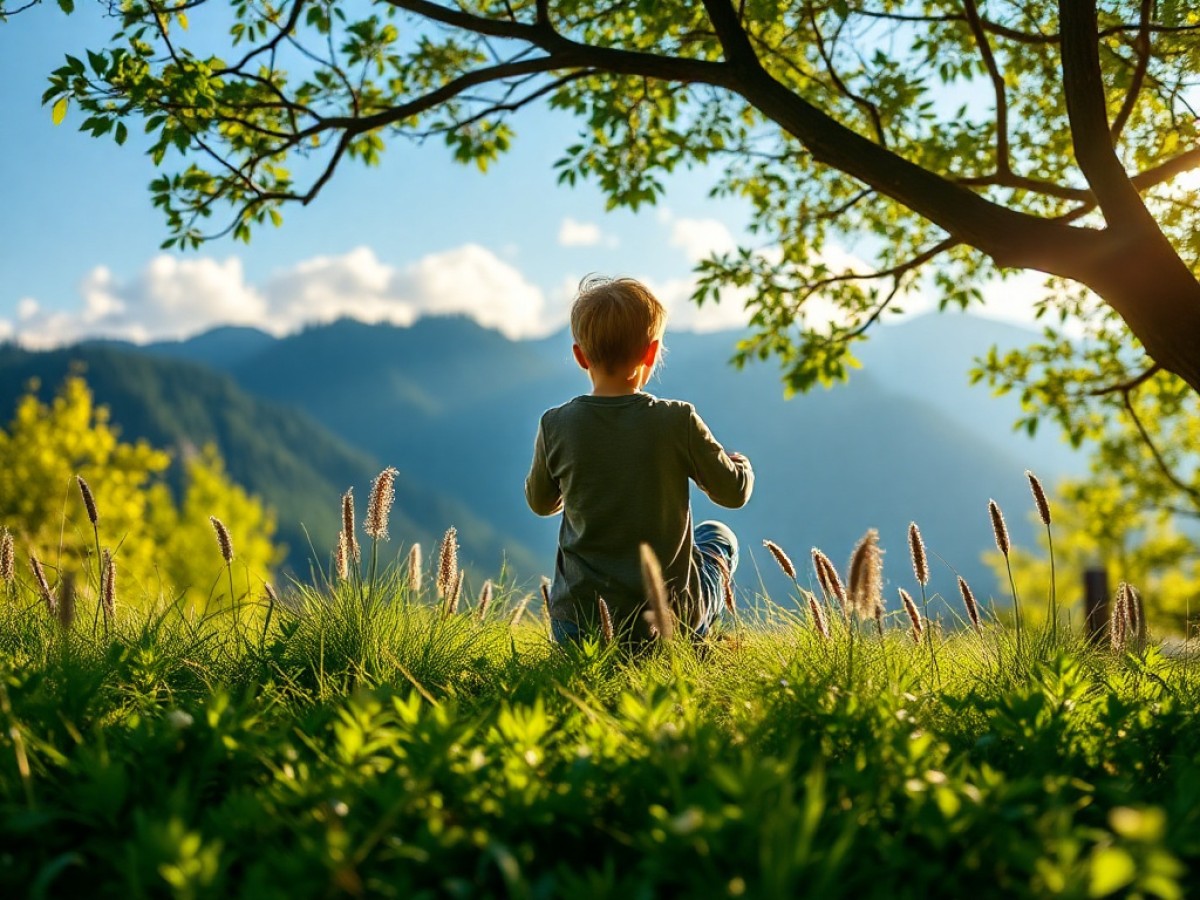
Exploring Outdoor Therapy: A Modern Approach to Wellness
In the fast-paced urban environments where most of the world’s population resides, there is a growing trend to seek solace in nature. Both medical professionals and their patients are increasingly recognizing the physical and psychological benefits of outdoor therapy. This movement is supported by a surge in scientific research and initiatives, highlighting a broadening interest in nature-based healing practices.
Work revolution: Google reveals 90% of professionals are already using AI daily – are you one of them?
Gigantic 400-meter structures discovered beneath Antarctic ice spark heated debate among scientists worldwide
The Healing Power of Nature for Urban Dwellers
As cities expand, reconnecting with nature is becoming a crucial daily challenge. Scientific studies have confirmed that spending time outdoors can have significant health benefits, such as easing anxiety and rejuvenating the mind. Responding to this urban reality, many health practitioners and institutions are now incorporating natural elements into their therapeutic approaches. Their goal is to reestablish an essential connection with the outdoor environment, thereby enhancing overall well-being.
Enhanced Mental and Physical Health Outcomes
The advantages of being in nature extend beyond mere stress relief. Mental health professionals report notable improvements in their patients, including enhanced memory, reduced psychological symptoms, and better emotional management. North American therapists, for instance, find that incorporating outdoor walking sessions into their therapeutic conversations promotes clarity and calmness. Ultimately, integrating nature into therapy supports a deeper quest for meaning and connection with oneself and others.
A Global Perspective on Natural Therapy Practices
Therapeutic methods that combine outdoor activities with guidance are evolving into various forms worldwide. Equine therapy, for example, facilitates a subtle interaction between humans and horses, enhancing emotional balance through a refined understanding of body language and is acknowledged for its cognitive benefits. In Iceland, flotation in magnesium-rich waters provides deep physical relaxation, fostering restorative sleep and creativity. In England, seaside therapy merges mindfulness exercises with sensory immersion. Similarly, forest therapy in Asia and Europe offers rejuvenating experiences through the therapeutic properties of trees. Additional innovative approaches include outdoor art therapy in the Mediterranean and meditative walking in calming labyrinths, further enriching the spectrum of alternative healing options.
International Expansion of Wellness Programs
Driven by widespread enthusiasm, the wellness sector is expanding its offerings, including themed stays, forest workshops, sensory activities, and artistic retreats. The common goal across these programs is to enhance connection with nature, thereby promoting better overall health and synchronizing the mind and body. These experiences, although sometimes costly, are increasingly accessible to a diverse range of participants, from the casually interested to those seeking profound personal transformation.
Similar Posts
- Outdoor Therapies: Why This New Trend Truly Boosts Mind-Body Wellness?
- TRT at 45: Revolutionizing Aging, Not Cheating but Catching Up!
- 6 Must-Have Medicinal Plants for Your Home Garden: Grow Your Own Natural Remedies!
- Orange Blossom Secrets: 4 Must-Know Health Benefits!
- Boost Your Digestion and Mood: Discover 3 Ayurvedic Rituals!

Doyle Renner writes about public health, medical advances, and everyday wellness. He brings complex topics to life to help readers take informed care of their health.