They hauled a projector up the mountain
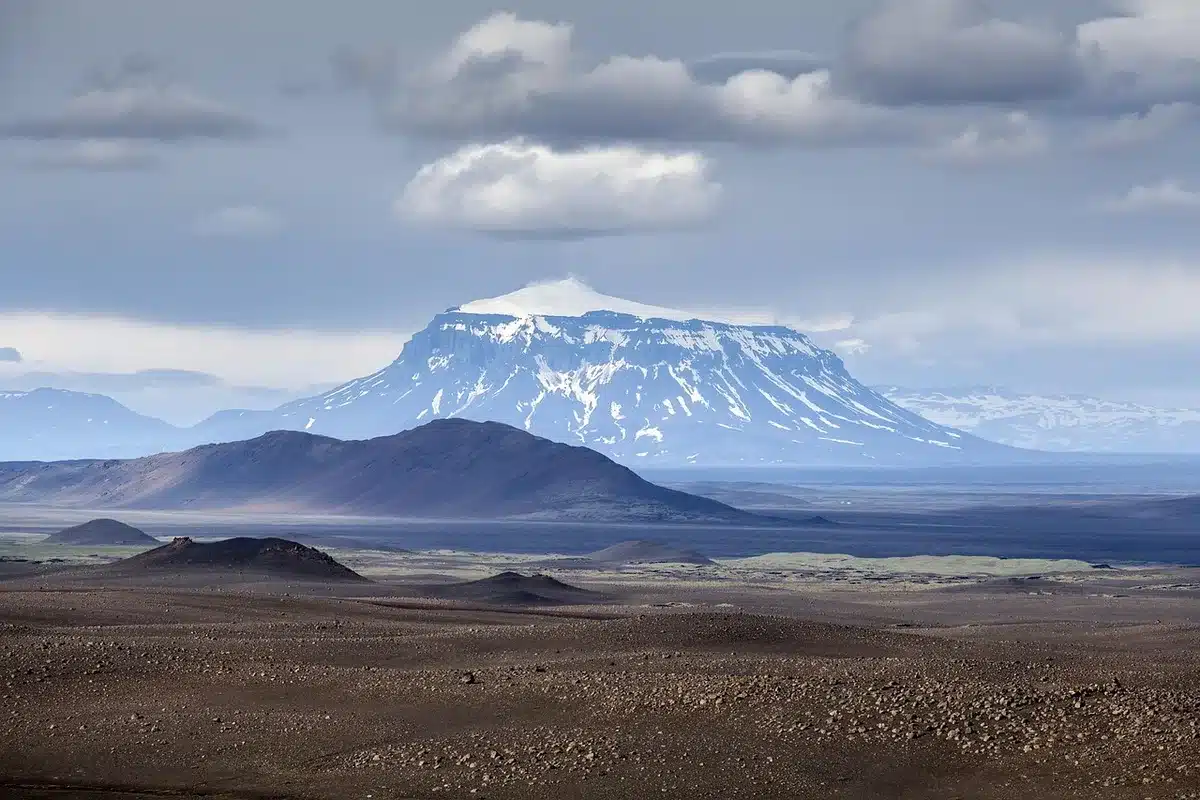
In July, filmmakers Biljana Tutorov and Petar Glomazić returned to the Montenegrin highlands with more than cameras and crew: they carried a tent, a generator, and a DCP so they could screen their film for the shepherding community that had helped make it possible. The setting was Sinjajevina, the plateau at the center of their documentary To Hold a Mountain — and by the time that rough-and-ready showing happened, the political battle the film follows had already been settled.
Colonizing Mars is no longer a dream: Elon Musk unveils a historic deadline that will change everything
Gigantic 400-meter structures discovered beneath Antarctic ice spark heated debate among scientists worldwide
How the story on screen changed in real time
Montenegro had been considering turning the shepherds’ ancestral pastures into a NATO training ground after joining the alliance in 2017. Years of local organizing — and, Tutorov believes, the way her film documented the community’s life and resistance — contributed to a government decision in July to abandon the plan. The filmmakers reopened the feature to shoot the aftermath, giving the movie a second, unexpectedly affirmative ending. “We reopened the film to continue shooting and then a second end happened that was very empowering and powerful,” Tutorov told IndieWire’s Art of the Doc series.
The timing was dramatic: To Hold a Mountain would go on to win the World Cinema Grand Jury Prize for documentary at Sundance, and Montenegro later selected it as the country’s official submission for the international-feature Oscar. At the Sinjajevina screening, Prime Minister Milojko Spajić and the president arrived unannounced with their families — a scene that would have been unthinkable during the fight. Tutorov laughed about the irony of having spent years documenting opposition to the state, only to represent Montenegro on the global stage. She said the prime minister told the shepherds that the film confirmed the wisdom of canceling the training-ground plan; the president reportedly told the filmmakers, “Thank you guys for teaching us democracy.”
The film’s New York theatrical run will include the new material: To Hold a Mountain opens at Film Forum on December 16 with an updated conclusion that reflects the community’s victory.
Separating activism and filmmaking
When Tutorov and Glomazić arrived in Sinjajevina on the first day of the protests, they were clear-eyed about their dual presence. They wanted to help the people they were filming, but they also wanted to make a documentary — two distinct commitments that could pull in different directions. “We will separate our activist mission from our filmmaker’s mission,” Tutorov said, calling that an important and enabling decision. That separation, she explained, allowed them to be bolder both as allies and as chroniclers.
The film centers on two figures who already lived on the plateau: Gara, a shepherd and community leader, and Nada, a girl Gara was raising. As the political threat to their way of life escalated, long-buried family tensions surfaced, and the directors had to confront ethical questions about exposing Nada’s private life on camera.
Ethics, time and trust
Nada was about twelve and a half when the filmmakers realized how much the story would demand of her. Instead of rushing the arc, Tutorov and Glomazić committed to filming across years — until Nada turned eighteen — so she could choose whether to remain in the film as an adult. The shoot stretched across more than 230 days; some of those days produced only a few minutes of usable footage, but the long-form approach allowed relationships of trust to develop.
A YouTuber bought a Bugatti on TEMU expecting luxury… but the unboxing went terribly wrong
Colonizing Mars is no longer a dream: Elon Musk unveils a historic deadline that will change everything
The crew lived simply alongside their subjects. Tutorov, Glomazić and cinematographer Eva Kraljević shared a shepherd’s shed, helped with chores — even milking cows twice a day — and let the rhythms of pastoral life inform the film’s structure. Tutorov, who has a background in art history, described the mountain itself as a kind of chorus: a witness to the lives unfolding on its slopes.
From local screening to national recognition
By the time the filmmakers brought the completed film back to Sinjajevina for a follow-up screening, the mood had shifted. The decision to cancel the military training plan had been announced the previous month, and the crowd and the conversation were different. That evening, for an informal and rough-and-ready screening, the people who had spent years petitioning and protesting ended up hosting the country’s leaders on the ground they’d fought to protect.
Tutorov believes the film played a role in the political outcome; she also points out that Montenegro had a new government in place by 2025 after years of local organizing. Whatever the mix of causes, the result was a public acknowledgment: the prime minister praised the film for reinforcing his choice to cancel the plan, and Montenegro later named To Hold a Mountain its Oscar contender — an outcome that Tutorov and Glomazić received with wry amusement and a sense of vindication.
Hear more from the filmmakers
Tutorov discussed these experiences and the difficult decisions the crew made about access, privacy and activism in a conversation for IndieWire’s Art of the Doc series. A video of that interview is available through IndieWire’s platform.
Similar Posts
- Discover the Secrets of the Ocean: Join IndieWire & National Geographic with David Attenborough at Vidiots
- Bill Hader Finally Directs ‘They Know’: Divorce, SNL and Kiyoshi Kurosawa Shaped the Film
- Harry Styles Tour How-To: John Wilson’s New Doc Reveals Touring Tips
- Unveiling ‘Boorman and the Devil’: A Groundbreaking Look at ‘Exorcist II’ Hits Theaters
- Elastic Hearts: Filmmakers Say Texas Blocked Tax Credit Over Abortion Storyline

Claude Merritt explores the world of entertainment with a keen eye. From music to film, TV series, and popular culture, he covers celebrity news and American cultural trends with a lively and critical approach.