High blood pressure: a silent problem worth checking
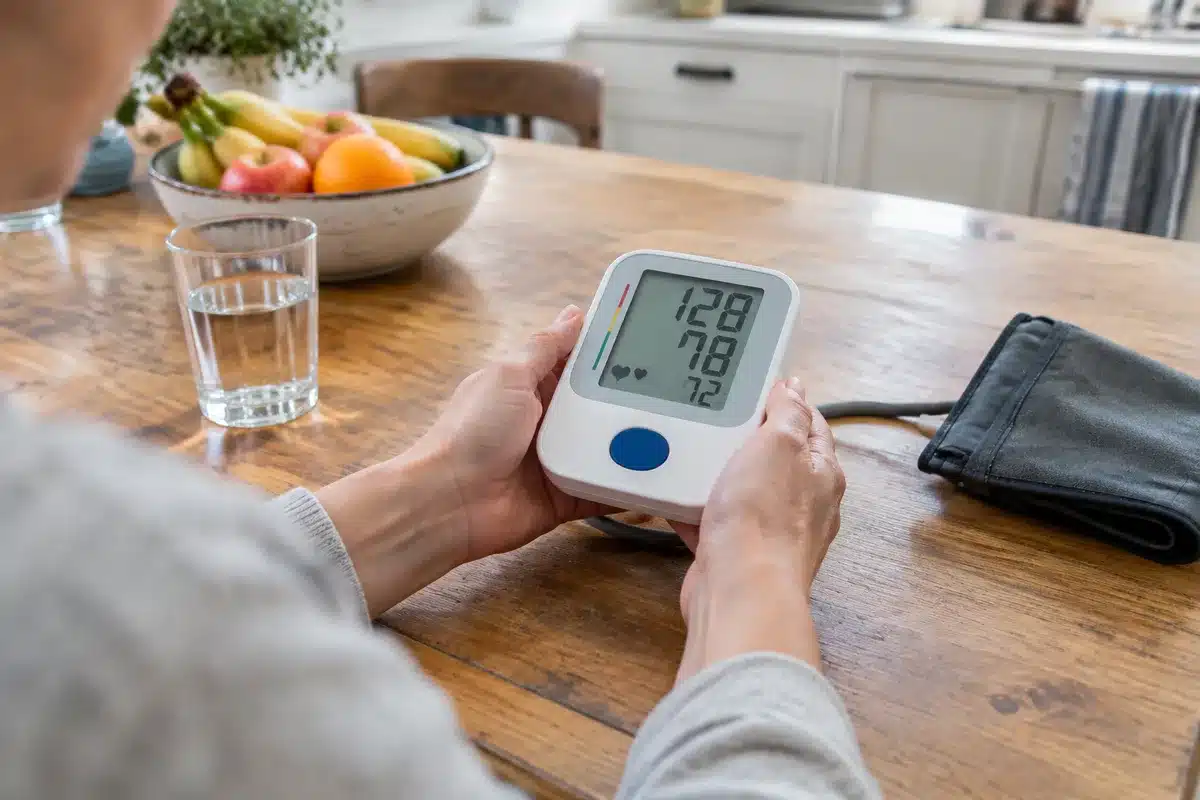
High blood pressure (hypertension) means the force of blood against the walls of your arteries is higher than it should be. It often produces no obvious symptoms, so the only reliable way to know is to have your pressure measured. Health authorities generally consider readings around 140/90 mm Hg or above to indicate hypertension.
Colonizing Mars is no longer a dream: Elon Musk unveils a historic deadline that will change everything
Gigantic 400-meter structures discovered beneath Antarctic ice spark heated debate among scientists worldwide
Who is more likely to develop hypertension?
Several common factors raise the risk of elevated blood pressure. These include:
– Getting older — risk increases with age.
– Family history — genes play a role.
– Carrying excess weight — overweight and obesity put extra strain on the heart and vessels.
– Sedentary lifestyle — little or no regular physical activity.
– High dietary salt intake — especially from processed foods.
– Heavy alcohol use.
Because hypertension can be asymptomatic, people with one or more of these risk factors should check their blood pressure regularly.
Ways to lower blood pressure naturally
You can often prevent or reduce high blood pressure by changing habits. Key measures to try include:
– Increase aerobic activity. Aim for regular, sustained aerobic exercise of low to moderate intensity. Endurance activities such as brisk walking, running, cycling, and swimming are particularly effective at lowering and regulating blood pressure over time.
– Cut down on salt. Reduce obvious salt at the table and watch for “hidden” salt in foods like bread and baked goods, processed meats (cold cuts), many cheeses, canned goods, and some soft drinks and prepared sauces.
– Eat a balanced diet and manage weight. A diet rich in vegetables, fruits, whole grains, lean proteins and limited in processed foods helps keep weight and blood pressure in check.
– Stop smoking. Tobacco use damages blood vessels and contributes to cardiovascular risk.
– Limit alcohol intake. Reducing the amount of alcohol you drink can help lower blood pressure.
– Improve sleep quality. Poor or fragmented sleep interferes with the body’s ability to regulate blood pressure, so prioritizing restorative sleep matters.
– Reduce stress. Chronic stress can cause sustained rises in pressure; stress-management practices (relaxation techniques, regular physical activity, social support or counselling) can help.
If blood pressure responds to these changes, medications may not be necessary. But lifestyle measures tend to be most effective when combined and maintained over time.

When medication becomes necessary
If lifestyle adjustments don’t bring blood pressure to safe levels, medical treatment is usually required. The goal of therapy is to bring resting and exertional blood pressure down to a normal range, ideally as soon as elevated values are identified. In practice, that means starting appropriate treatment early and following up with your healthcare provider to monitor response and adjust therapy as needed.
Similar Posts
- High Tension Alert: Discover Which Herbal Teas Can Truly Lower It!
- Hypertension: Little-Known Herbal Tea Could Reduce Your Blood Pressure
- Slash Your Blood Sugar Naturally: 8 Effective Remedies Revealed!
- Lower Your Cholesterol Naturally: This Spice Proven by Clinical Study!
- Lower Blood Sugar in Just 15 Minutes: Discover This Simple Trick!

Doyle Renner writes about public health, medical advances, and everyday wellness. He brings complex topics to life to help readers take informed care of their health.