Understanding Hypertension: A Modern Health Challenge
Hypertension, commonly known as high blood pressure, is a condition where the force of the blood against artery walls is too high, often leading to health risks such as strokes, heart attacks, and kidney failure. Surprisingly, it’s not just an ailment of the elderly; it affects adults of all ages, including the young. As the condition typically progresses silently, it’s crucial to understand its dynamics and the means of managing it effectively.
Colonizing Mars is no longer a dream: Elon Musk unveils a historic deadline that will change everything
Gigantic 400-meter structures discovered beneath Antarctic ice spark heated debate among scientists worldwide
Key Factors Influencing Blood Pressure
Globally, hypertension is a concern for approximately 1.4 billion adults, and this figure is expected to rise. The World Health Organization highlights that by 2024, around 33% of people aged 30-79 could be affected. Various lifestyle choices and conditions contribute to the risk of developing high blood pressure. These include excessive salt intake (often hidden in processed and canned foods), physical inactivity, obesity, and diets low in fruits and vegetables. Additionally, chronic stress, smoking, heavy alcohol use, and certain medications such as anti-inflammatories and corticosteroids are known aggravators. Family history and aging also play significant roles, with specific risks associated with female hormonal cycles such as pregnancy, use of birth control pills, and menopause.

Detecting and Diagnosing Hypertension
Despite the high prevalence, only 55% of those affected in France were aware of their condition in 2021. The silent nature of hypertension makes regular screening crucial. Diagnosis typically involves repeated measurements showing blood pressure of 140/90 mmHg or higher. Early detection is essential to prevent severe complications and allows for timely and tailored treatment adjustments.
Natural Remedies and Lifestyle Adjustments for Managing Hypertension
Embracing Herbal Solutions
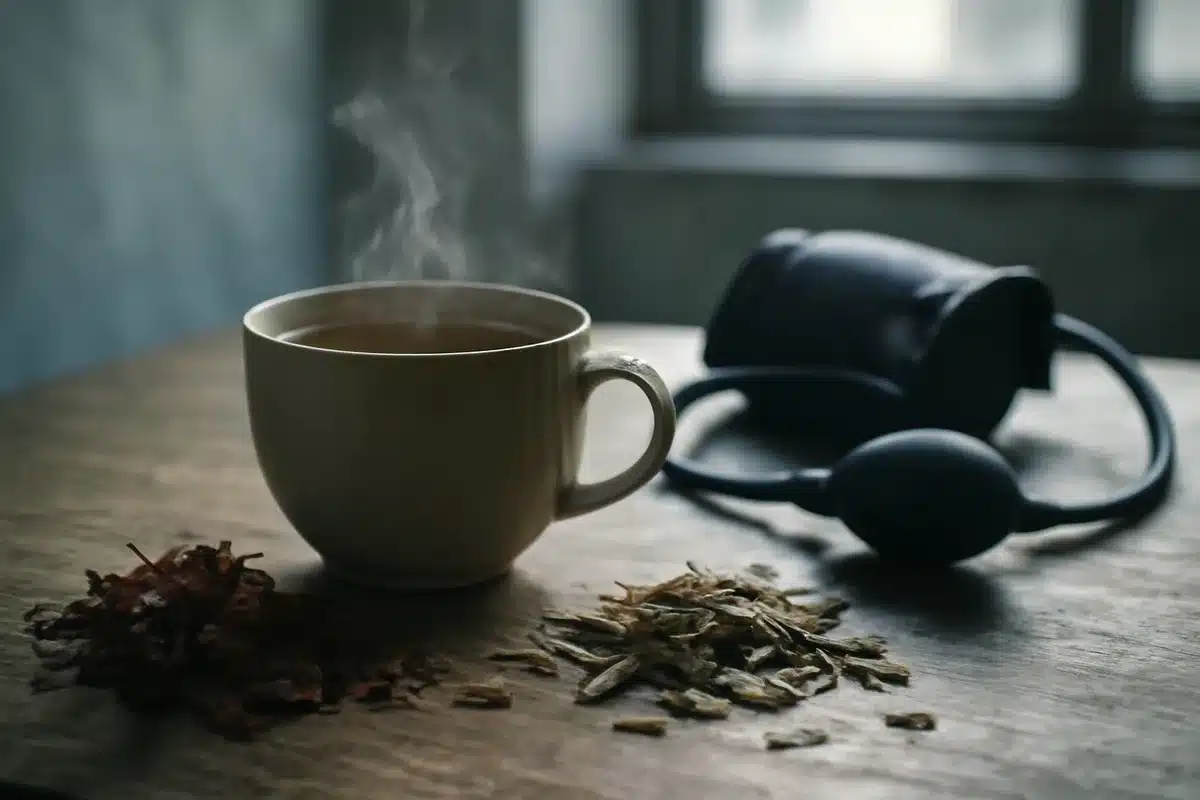
Among natural remedies, certain herbal teas have been recognized for their beneficial effects on blood pressure. For instance, olive leaf tea contains oleuropein which helps in vessel dilation. Similarly, hibiscus tea, rich in anthocyanins and vitamin C, and hawthorn tea, known for its calming effects, can contribute to blood pressure management when consumed regularly. Other soothing herbs like lemon balm and chamomile also support cardiovascular health.

Integrating Healthy Behaviors
Adopting a diet low in salt and rich in potassium and omega-3 fatty acids, alongside regular physical activity, forms the foundation of hypertension prevention. Stress management techniques, such as deep breathing exercises, and regular monitoring of blood pressure, either at home or by a healthcare professional, are also advised. While these natural and lifestyle approaches are vital, they should complement medical treatments, not replace them. It’s important to consult healthcare providers, especially when taking other medications or during pregnancy, to avoid potential interactions.
Caution and Considerations
While exploring natural remedies and lifestyle changes, individuals should be cautious of the potential interactions with prescribed medications and specific health conditions. Consulting with a healthcare provider before beginning any new treatment or remedy is strongly recommended to ensure safety and effectiveness.
In conclusion, hypertension remains a significant global health issue, but with informed approaches combining medical advice, natural remedies, and lifestyle modifications, managing blood pressure can be more effective and integrated into daily life.
Similar Posts
- Hypertension Breakthrough: Autumn Fruit Piques Researchers’ Interest!
- Eliminate Leg Varicose Veins Naturally: Expert Tips & Tricks Revealed!
- Hypertension Breakthrough: Discover the Superfood That Could Change Everything!
- Hypertension Alert: This Superfood Can Naturally Lower Your Blood Pressure!
- Berberine: The Natural Ozempic? What Studies Really Say!
A YouTuber bought a Bugatti on TEMU expecting luxury… but the unboxing went terribly wrong
Colonizing Mars is no longer a dream: Elon Musk unveils a historic deadline that will change everything

Doyle Renner writes about public health, medical advances, and everyday wellness. He brings complex topics to life to help readers take informed care of their health.