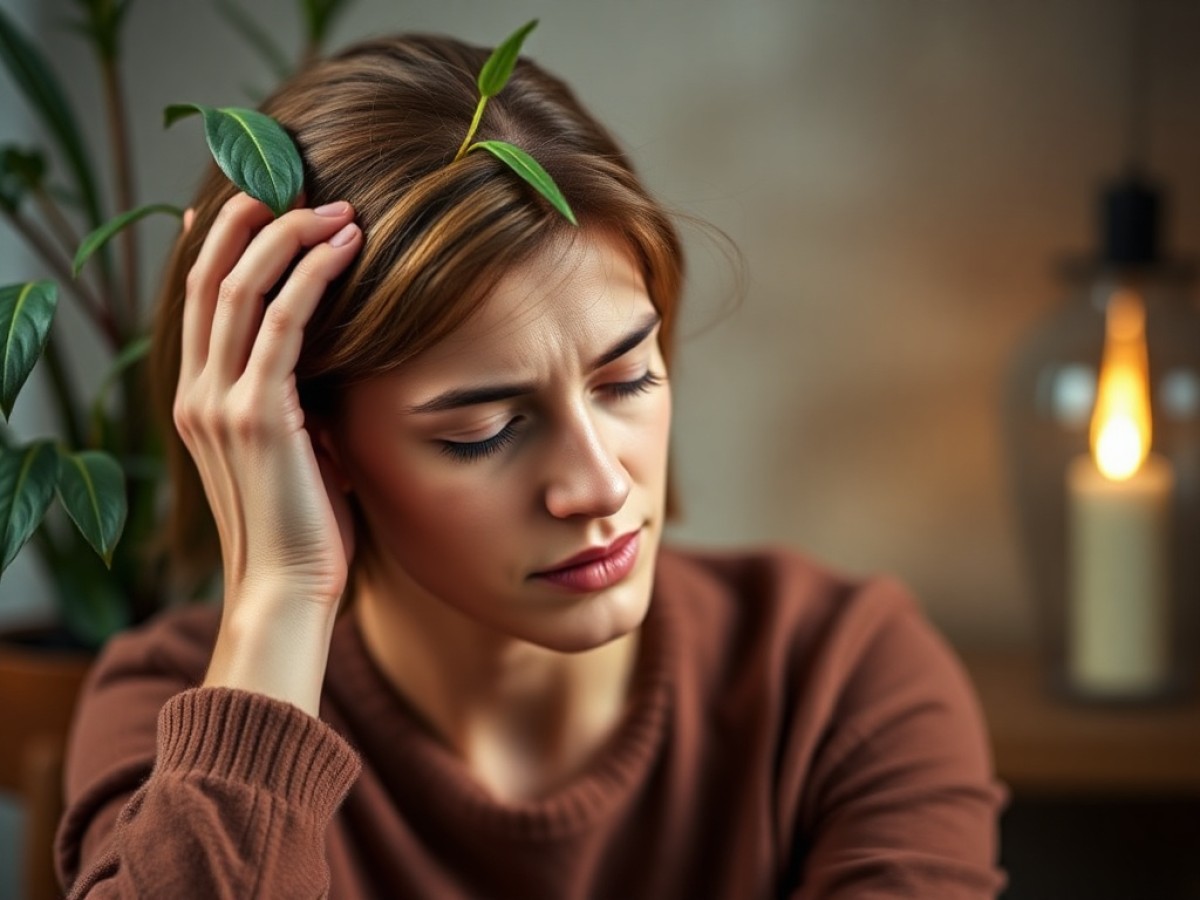
Understanding Migraines: Symptoms and Triggers
Migraines are not just ordinary headaches. They can be debilitating, affecting daily life significantly. According to health experts from the Institut Pasteur de Lille, a person is considered to suffer from migraines if they have experienced at least five attacks, each with at least two of the following symptoms: pain localized on one side of the head, throbbing or pulsating pain, moderate to severe pain, or pain intensified by physical activity or routine tasks. Accompanying symptoms often include nausea, vomiting, and sensitivity to light (photophobia) or sound (phonophobia). The INSERM points out that the root cause of migraines is linked to abnormal neuronal excitability, similar to conditions like epilepsy or certain movement disorders.
Work revolution: Google reveals 90% of professionals are already using AI daily – are you one of them?
Gigantic 400-meter structures discovered beneath Antarctic ice spark heated debate among scientists worldwide
Alternative Migraine Relief Methods
While over-the-counter painkillers can offer temporary relief, many are turning to non-pharmaceutical methods to manage their migraines. Here are several effective strategies:
– **Cold Therapy**: Applying a cold pack to the forehead can constrict blood vessels, reducing blood flow and pain sensation. Cold also slows down the endocrine system activity and decreases oxygen consumption in surrounding tissues, providing a neurological analgesic effect.
– **Hydration**: Dehydration is a common trigger for migraines. It is crucial to drink at least 1.5 liters of water daily to help prevent onset.
– **Reflexology**: This technique aims to rebalance the body and alleviate tension and blockages, which can reduce migraine symptoms.
– **Physical Exercise**: Studies suggest that regular physical activity can decrease the frequency, intensity, and duration of migraines.
– **Relaxation Techniques**: Reducing screen time, minimizing exposure to loud noises, and avoiding bright lights can help lessen migraine occurrences.
– **Essential Oils**: Oils such as peppermint, lavender, and chamomile are known for their soothing properties and can be beneficial for migraine sufferers.
Precautions and Professional Advice
While these natural and lifestyle-based approaches can be beneficial, it is crucial to consult with a healthcare professional before starting any new treatment for migraines. Only a qualified medical professional can provide advice tailored to your specific health needs and conditions, ensuring that any underlying issues are appropriately addressed.
Similar Posts
- Migraine Relief: 6 Natural Tips to Alleviate Pain Without Medication
- Chronic Migraine Relief: 6 Natural Solutions to Ease Your Pain!
- 5 Miracle Plants to Soothe Your Stubborn Headache: Natural Relief Now!
- Migraine or Tension Headache? Discover 5 Herbal Teas That Can Help!
- Top 5 Essential Oils Everyone Needs: Transform Your Health & Home!

Doyle Renner writes about public health, medical advances, and everyday wellness. He brings complex topics to life to help readers take informed care of their health.