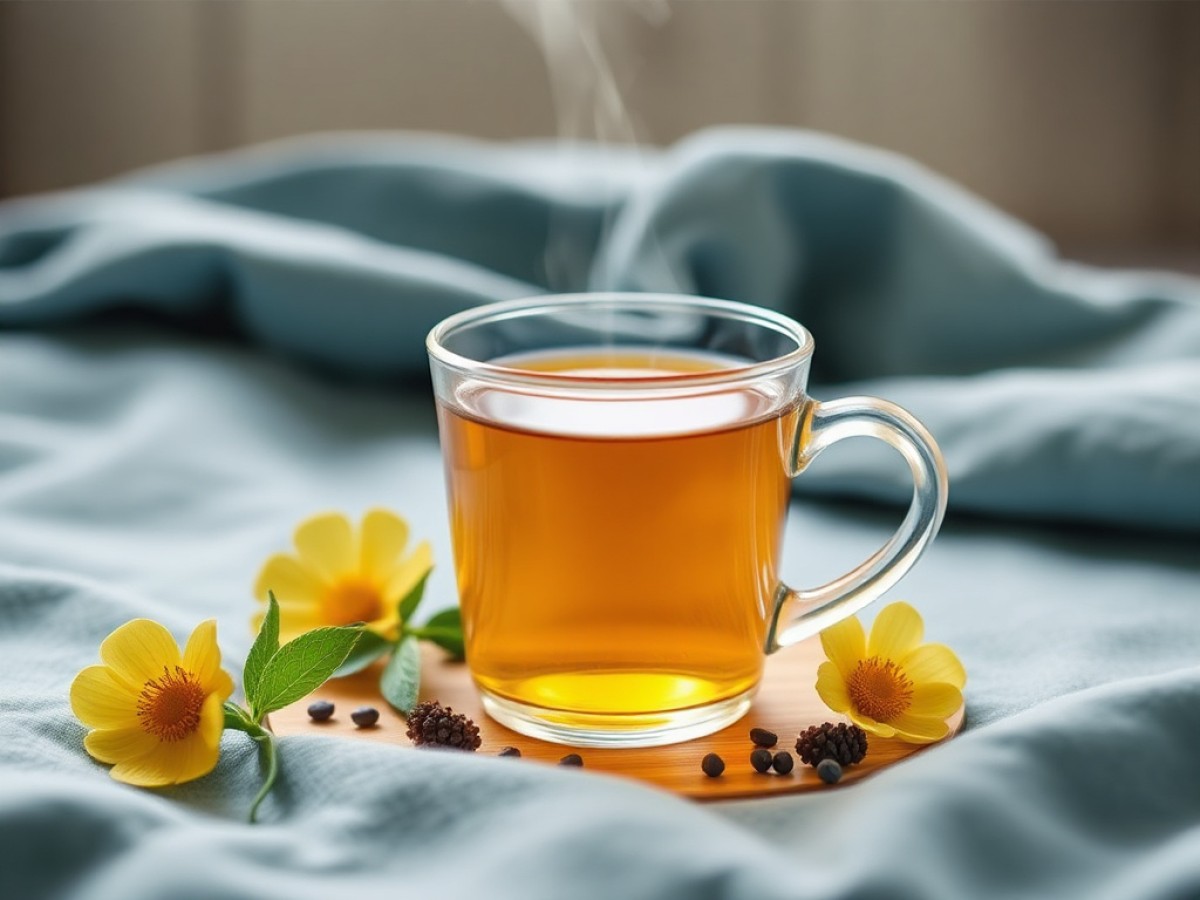
The Power of Herbal Teas for a Restful Sleep
In the hustle and bustle of modern life, stress and constant demands can take a toll on our sleep quality. However, a nightly ritual of sipping a warm herbal tea can be more than just a soothing habit; it serves as a powerful signal to the nervous system that it’s time to wind down. Particularly for those whose sleep may be disrupted by hormonal fluctuations or increased mental load, certain herbs emerge as invaluable allies, aiding in falling asleep faster and reducing night-time awakenings. Here, we explore five calming herbal teas recommended by a dietitian for a rejuvenating sleep.
Work revolution: Google reveals 90% of professionals are already using AI daily – are you one of them?
Gigantic 400-meter structures discovered beneath Antarctic ice spark heated debate among scientists worldwide
The Gentle Approach of Valerian
Dubbed the "vegetable valium," valerian stands out as one of the most well-researched herbs for enhancing sleep quality. Directly impacting how quickly you fall asleep and the structure of sleep cycles, valerian’s somewhat strong taste can be softened with a dash of honey or mixed with milder herbs to enhance its sedative properties while improving the taste experience.
Embracing the Calm with Passiflora
When sleep is hindered by a relentless stream of thoughts, passiflora or passionflower comes to the rescue. Known for its deep muscle relaxation effects and nerve-calming properties, a cup of passiflora tea about thirty minutes before bed helps quiet the mind, ushering in a state of tranquility.
The Dual Benefits of Lemon Balm
Frequently, sleep disturbances are linked to tough digestion or abdominal spasms. Enter lemon balm, a herb that offers a comprehensive solution with its antispasmodic and soothing properties. Its lemony scent adds a refreshing touch to the brew, making it ideal for those whose stress manifests in their digestive system, preventing full relaxation.
Traditional Comfort with Chamomile
A staple in herbal medicine, chamomile continues to be a go-to for its anti-inflammatory and relaxing benefits. Perfect for easing mild anxiety, its floral and delicate flavor enhances the overall enjoyment of your tea-drinking ritual, contributing to a moment of pure well-being.
Lavender: The Essence of Deep Relaxation
Though not as commonly used in teas as other herbs, lavender deserves recognition for its effects on the central nervous system. Known for lowering heart rate and promoting overall relaxation, a cup of lavender tea is perfect for unwinding after a hectic day, setting the stage for a peaceful night’s sleep.
Expert Insights on Maximizing Herbal Tea Benefits
Dietitian Léa Zubiria emphasizes the importance of choosing high-quality herbs, preferably organic, to ensure a high concentration of essential oils and active ingredients. She advises against boiling the water to more than 85°C to prevent scorching the leaves and diminishing their beneficial properties. Covering the tea as it steeps for 5-10 minutes helps preserve volatile molecules. While herbal teas are generally safe, some, like valerian, may have contraindications, such as for those with liver issues; thus, consulting a healthcare provider is advised for regular consumption.
By integrating these herbal teas into your evening routine, you not only enhance biological rhythms but also significantly improve sleep quality. Selecting the right herb based on individual needs—whether to calm the mind, ease digestion, or reduce anxiety—greatly increases the likelihood of a truly restful night.
Similar Posts
- Unlock the Secret to Better Sleep: Discover the Amazing Power of These Plants!
- Discover the Oil That Can Significantly Improve Your Sleep: Breathe In for Better Rest!
- Ancient Sleep Ritual: Does It Really Work? Scientists Weigh In!
- Natural Sleep Aids: More Alluring Than Helpful? Uncover the Truth!
- Forgotten Plant Relieves Anxiety Better Than Drugs: Is Nature the Best Medicine?
A YouTuber bought a Bugatti on TEMU expecting luxury… but the unboxing went terribly wrong
Colonizing Mars is no longer a dream: Elon Musk unveils a historic deadline that will change everything

Doyle Renner writes about public health, medical advances, and everyday wellness. He brings complex topics to life to help readers take informed care of their health.